There are exhibitions that ask us to look, and there are exhibitions that make us question how we look. Lorna Simpson. Third Person, presented at Punta della Dogana in Venice, belongs to the second category.
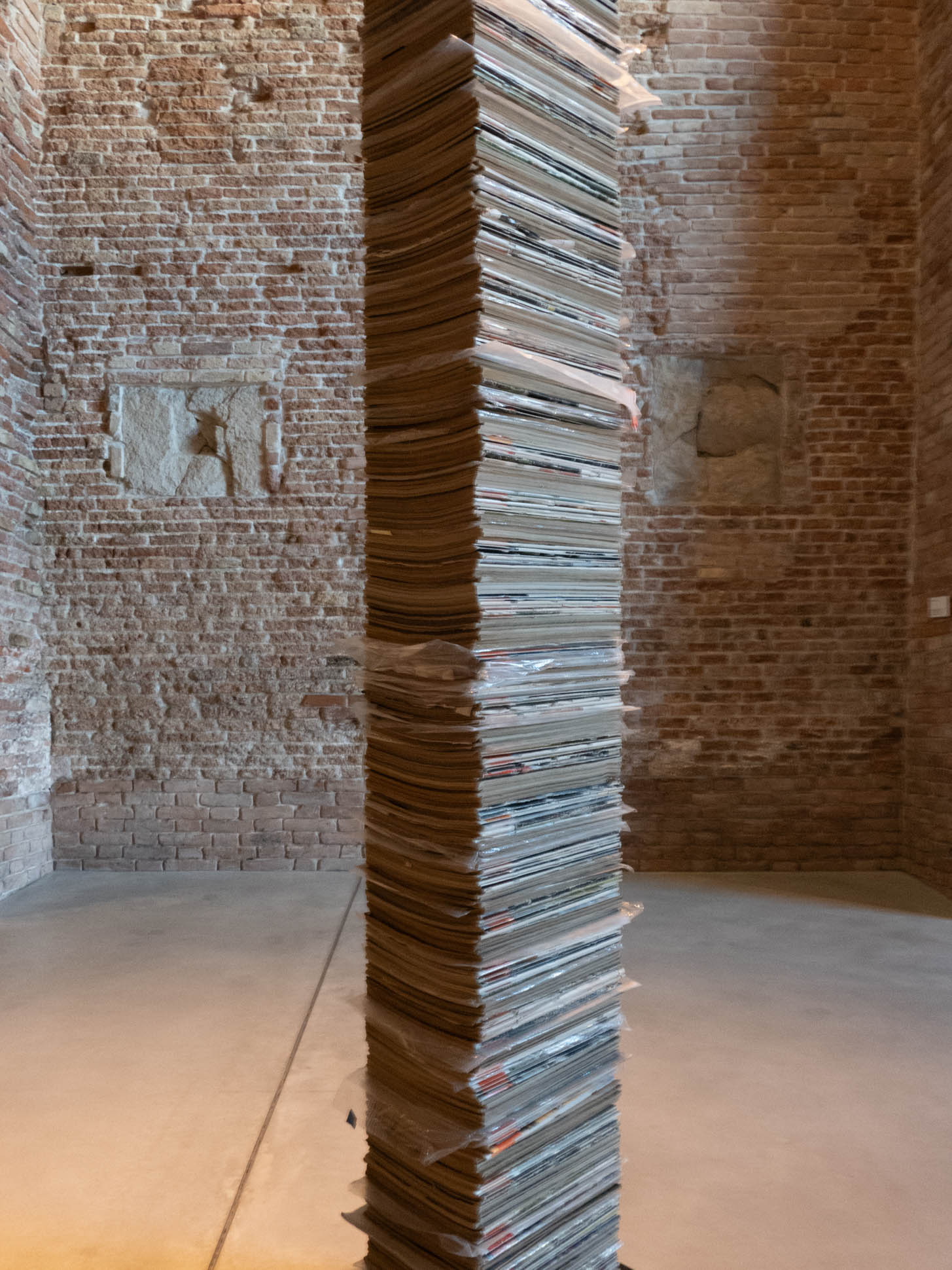
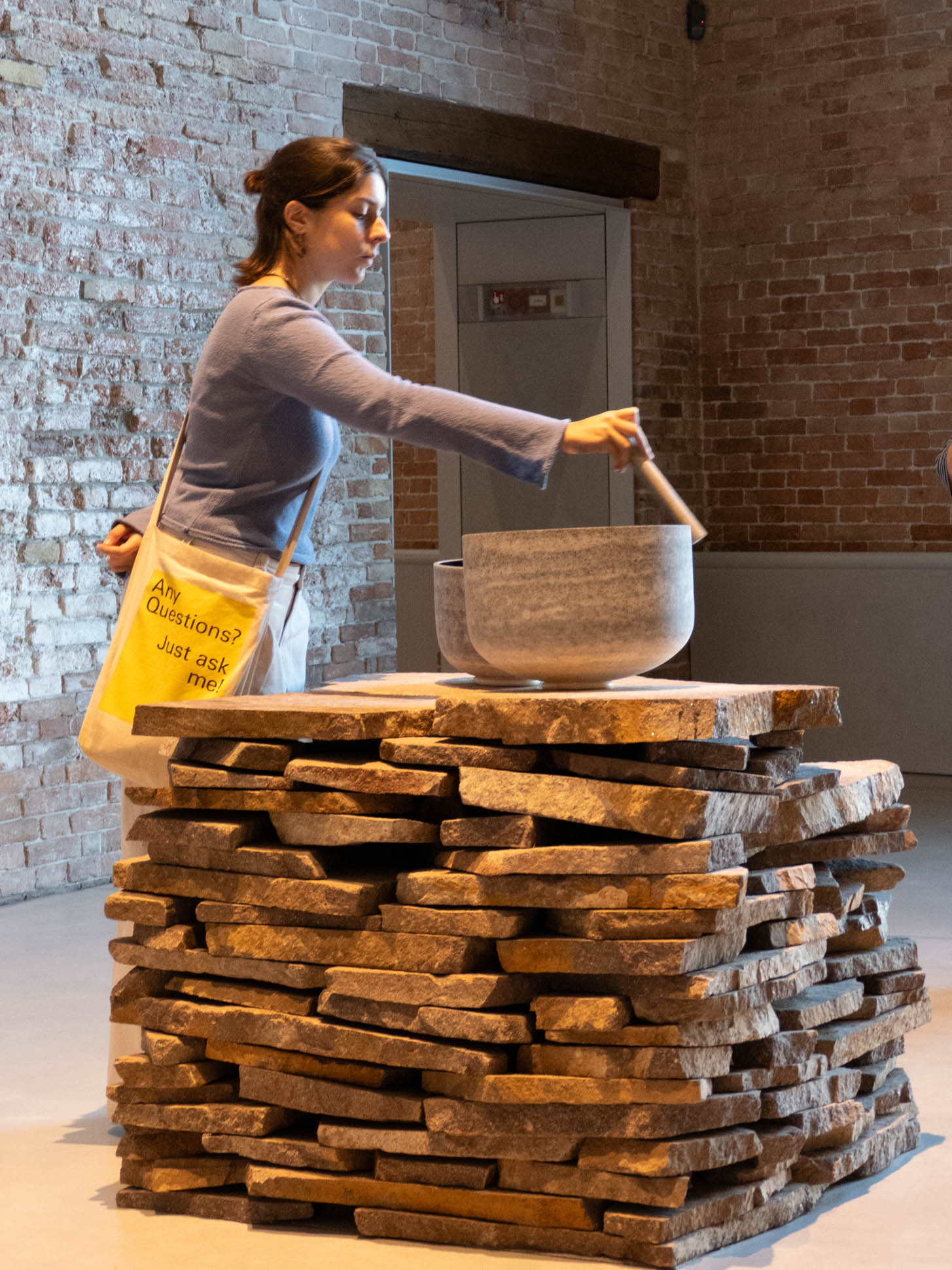
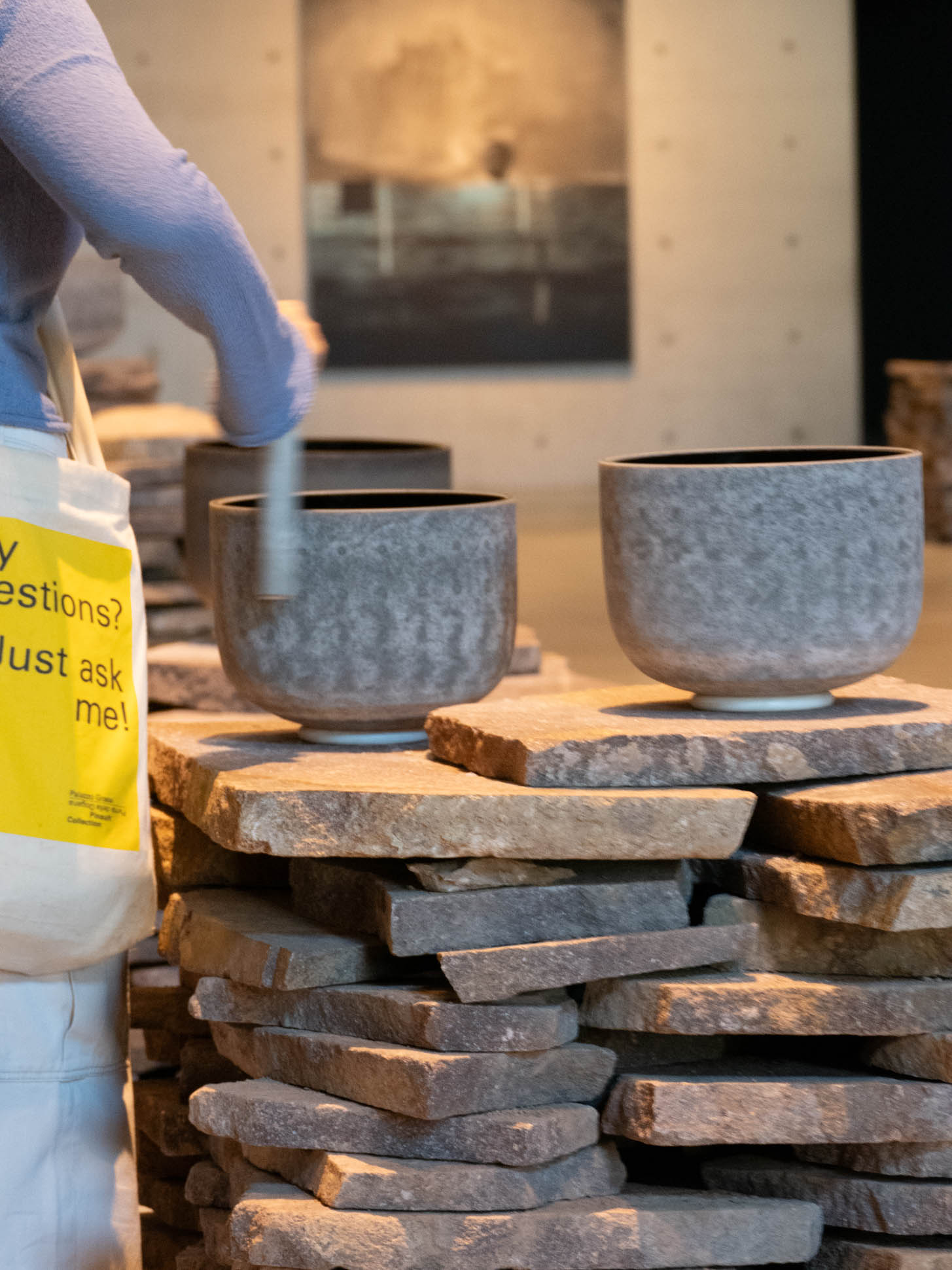
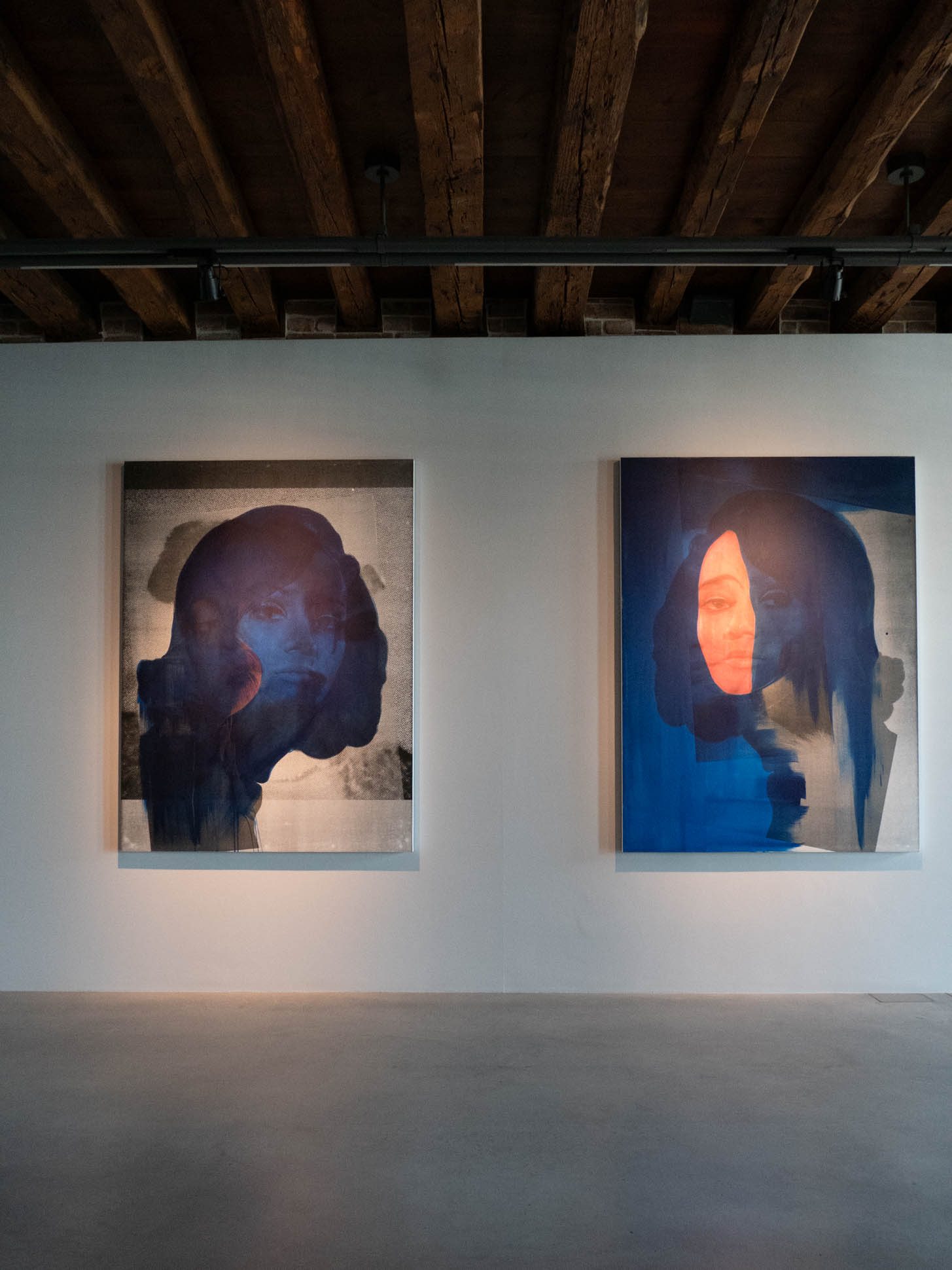
The exhibition is the most significant presentation of Lorna Simpson’s work in Europe in more than a decade. Organised by the Pinault Collection in partnership with The Metropolitan Museum of Art in New York, it brings together around fifty works, including paintings, collages, sculptures, installations and film. The exhibition is curated by Emma Lavigne in close collaboration with the artist and includes works created specifically for the Venetian presentation.
But Third Person is not simply a retrospective. It feels more like an invitation into Simpson’s way of thinking.
Between photography and painting. Born in Brooklyn in 1960, Lorna Simpson first became known in the 1980s for her conceptual photography. Her early work questioned the ways in which photographs construct ideas about identity, particularly around race and gender. Rather than offering straightforward portraits or narratives, Simpson often created images that deliberately left something unresolved.
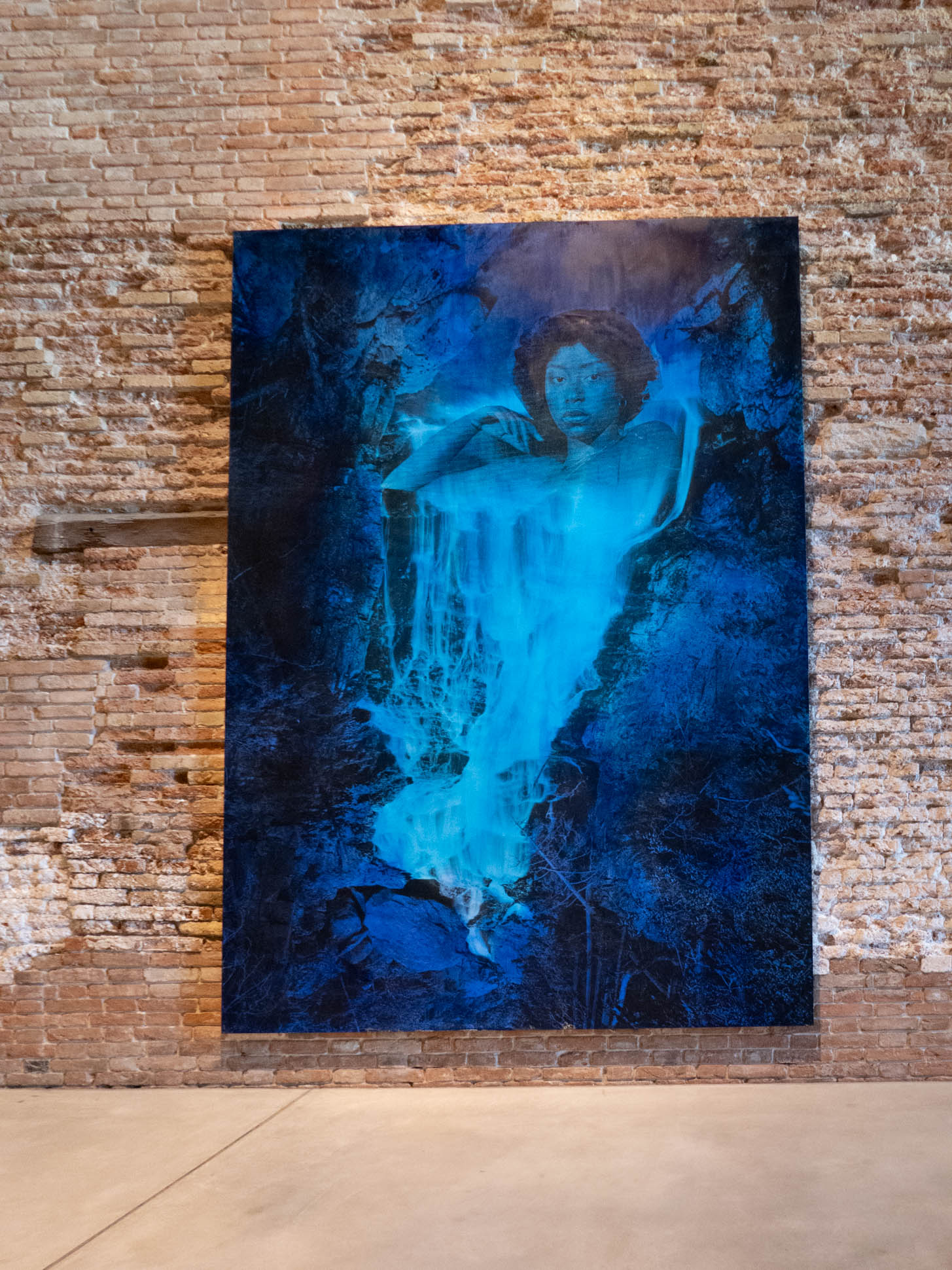
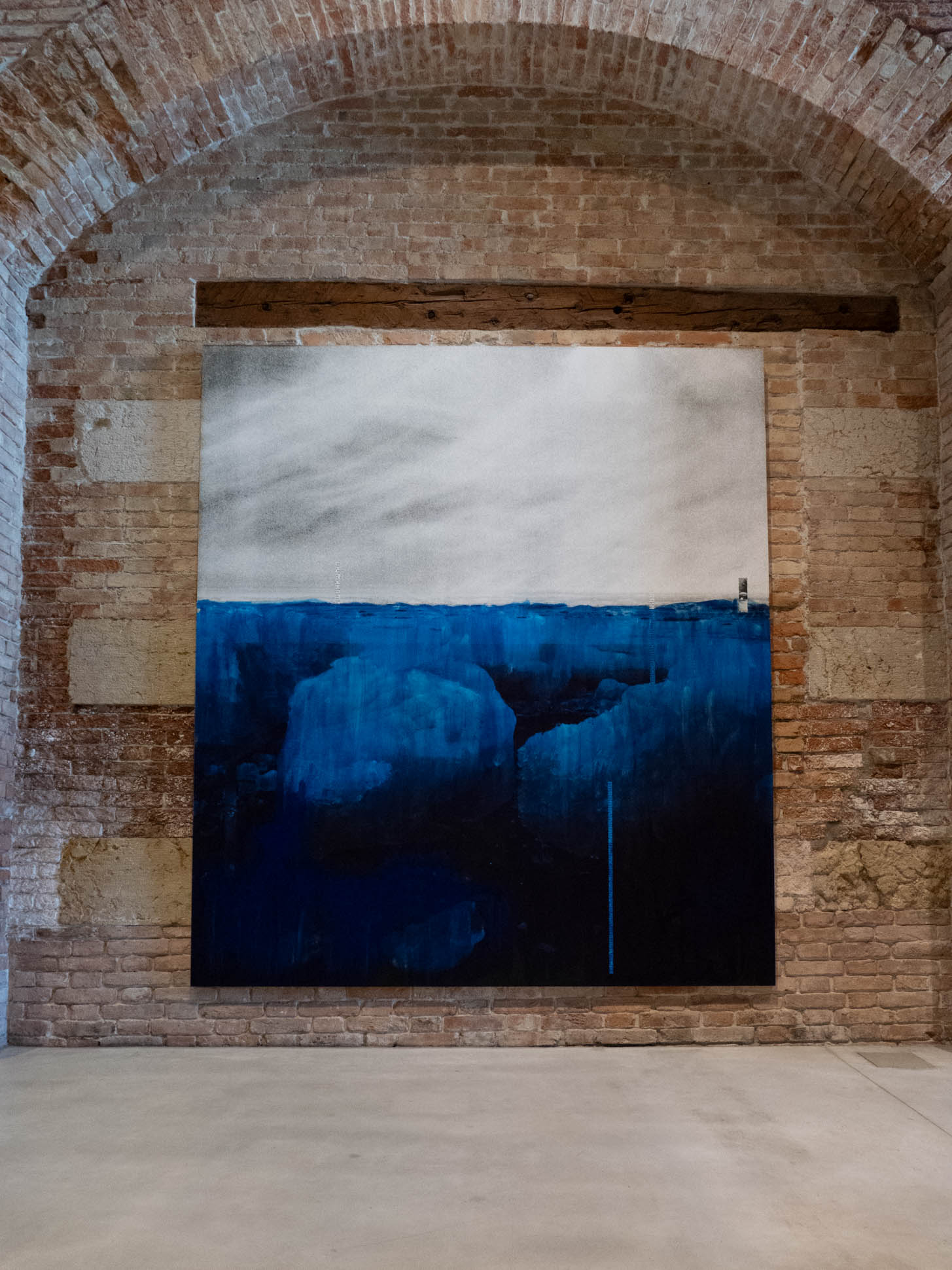
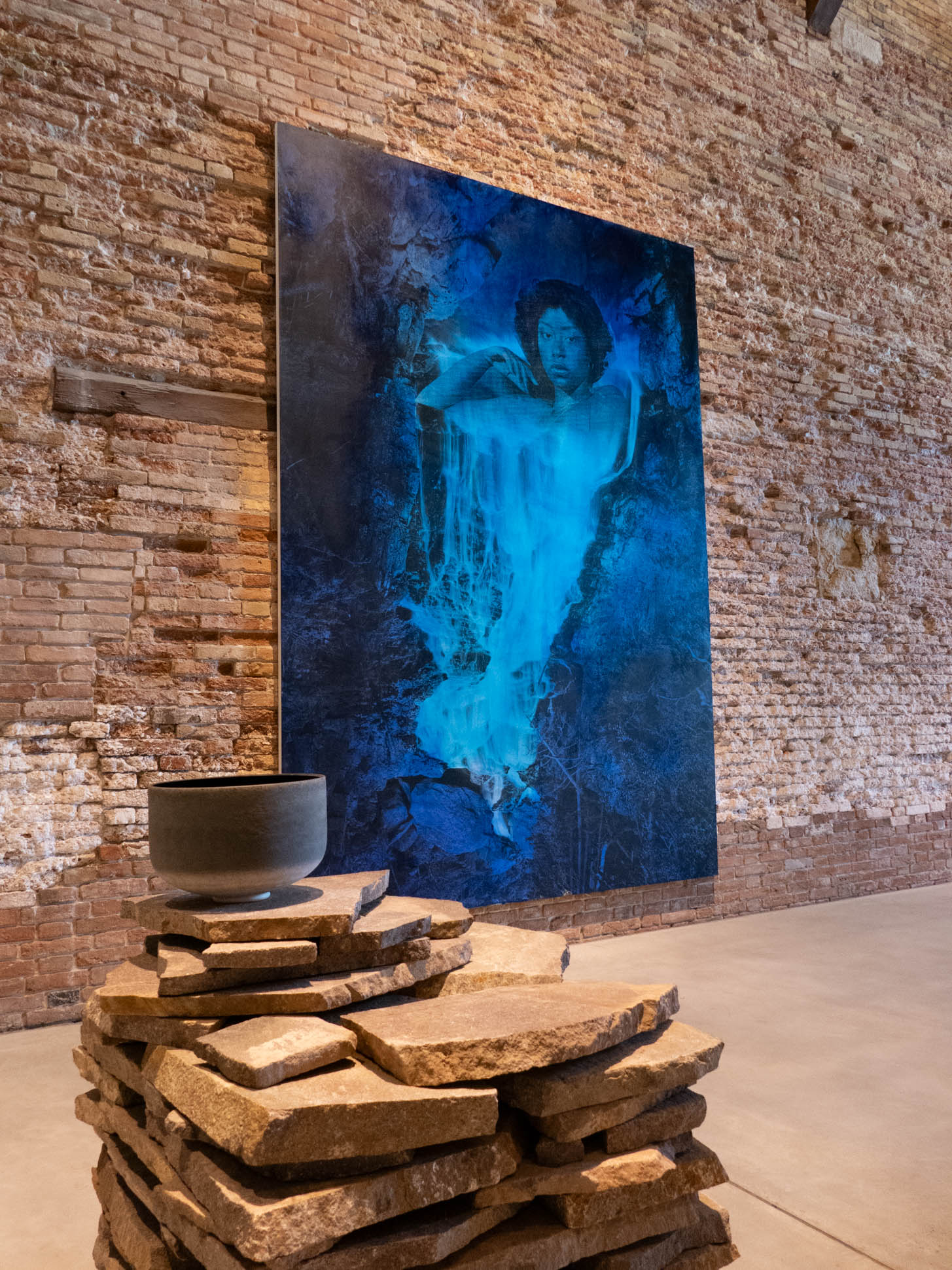
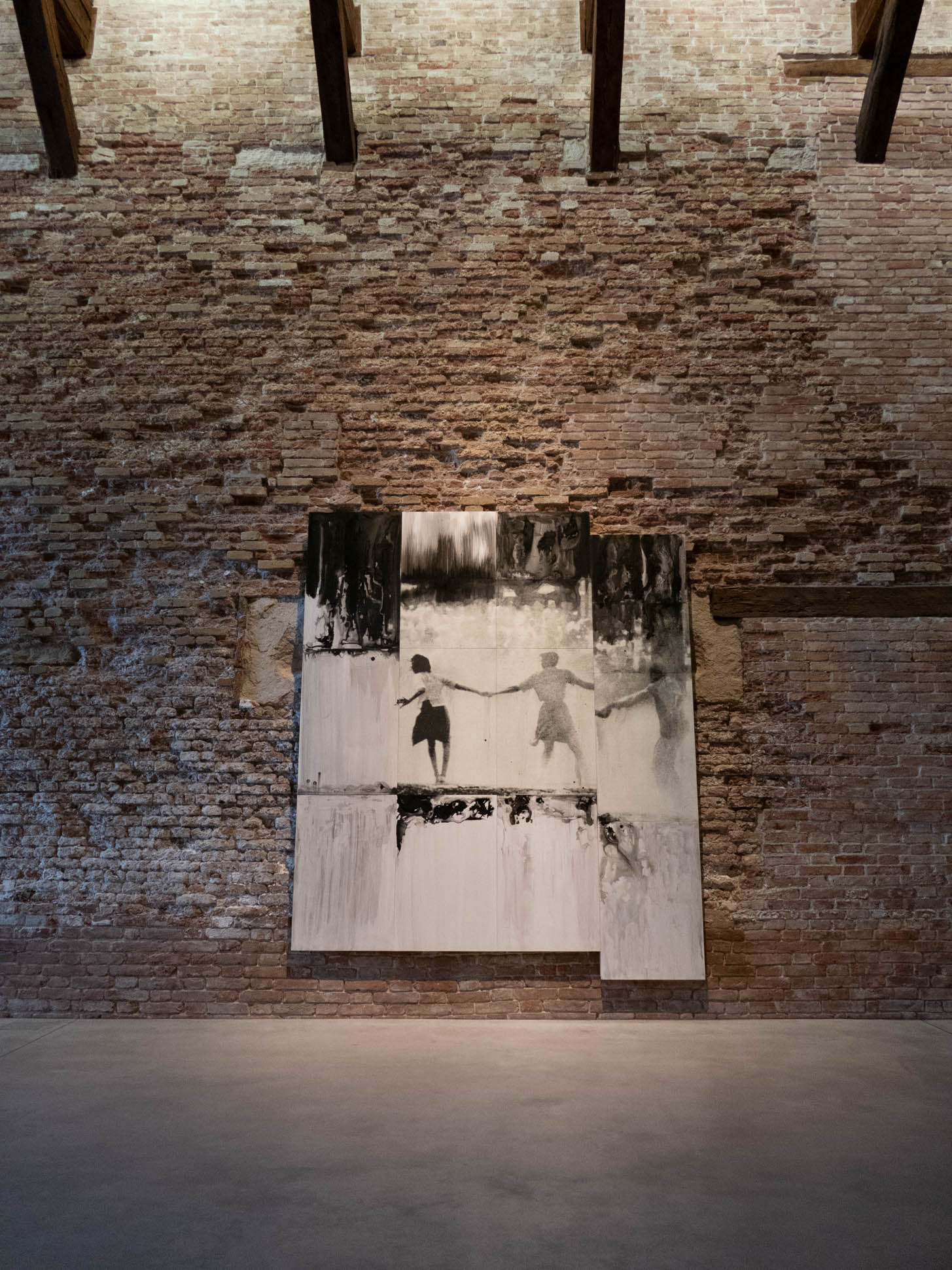
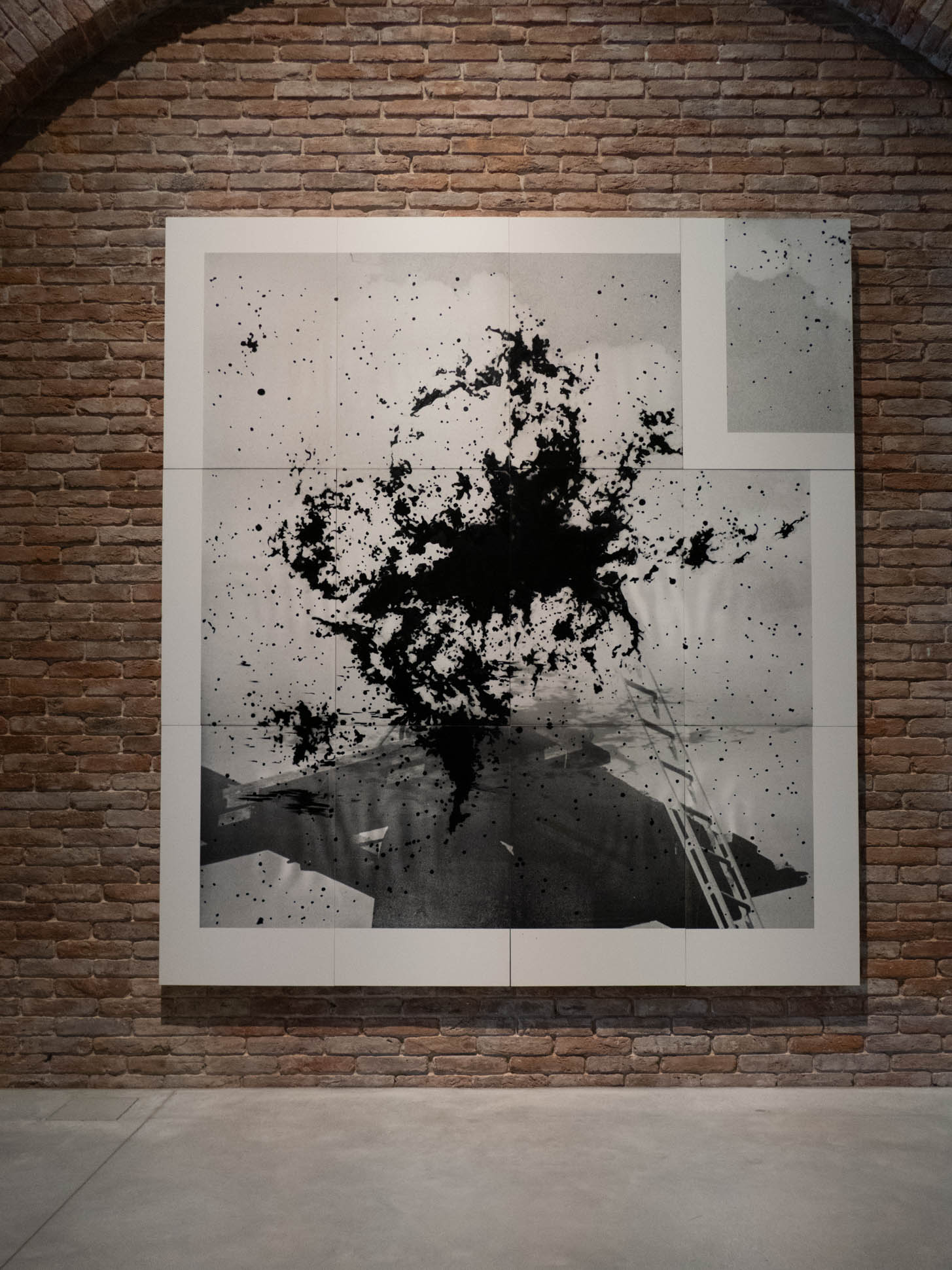
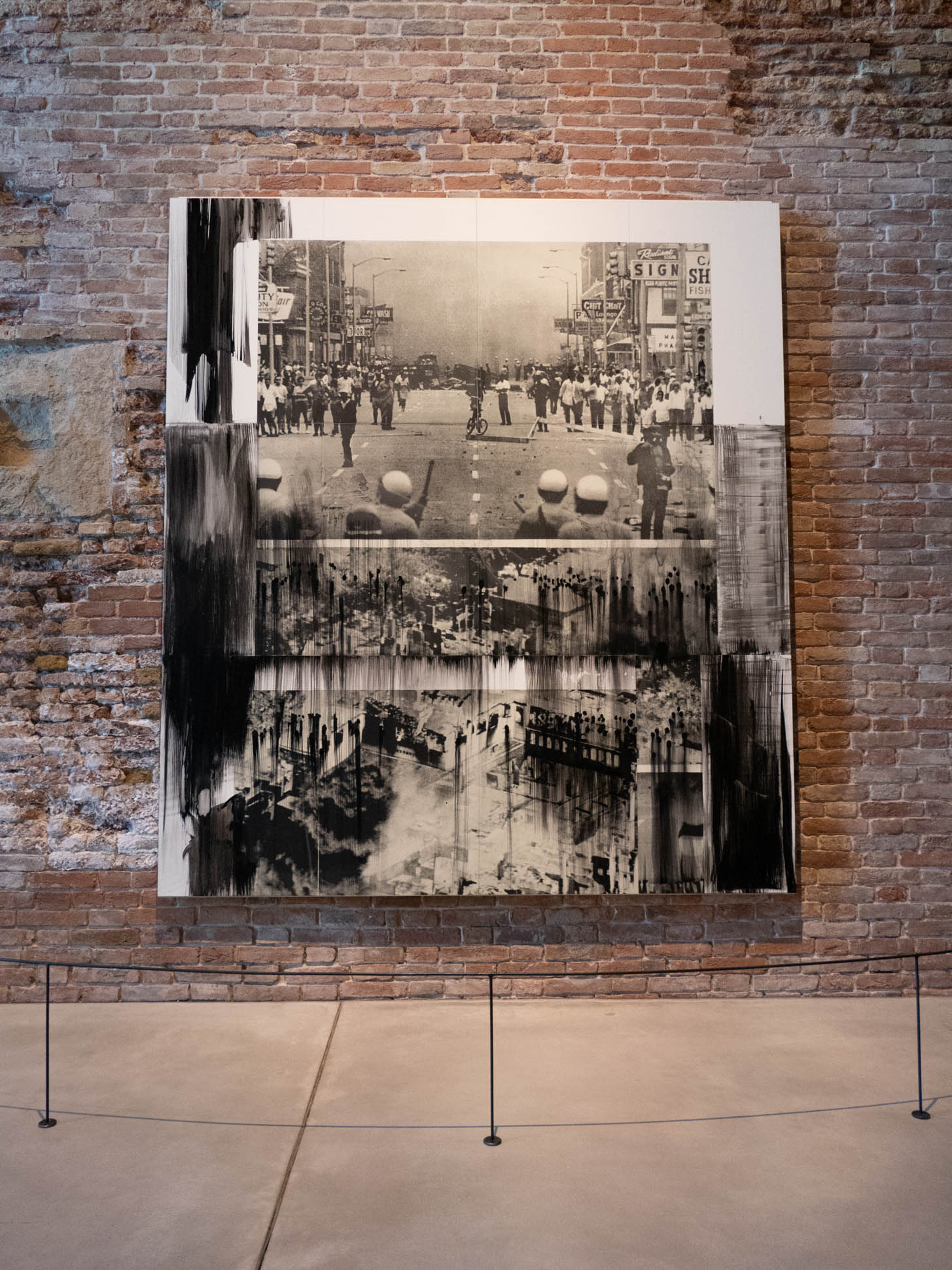
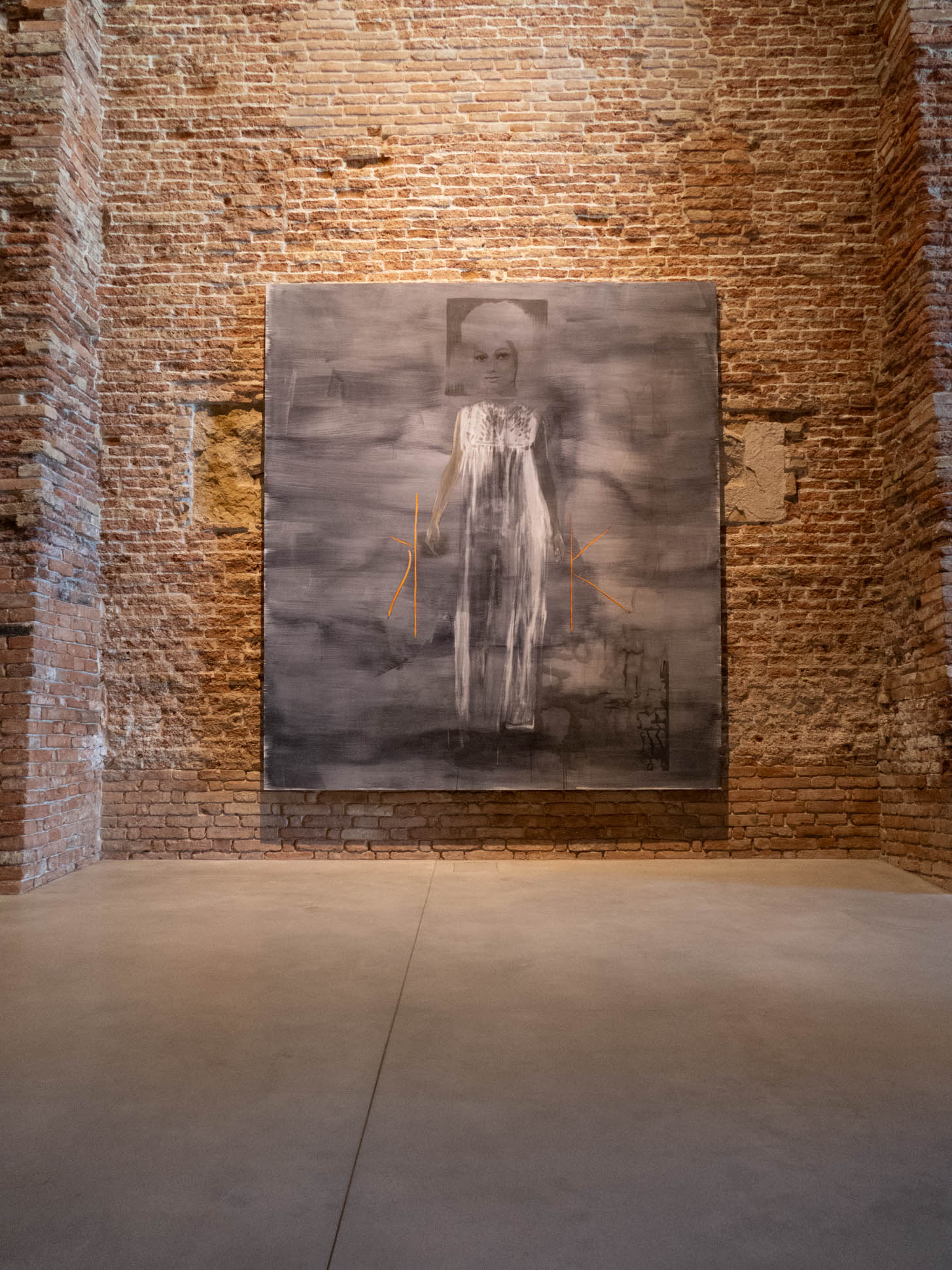
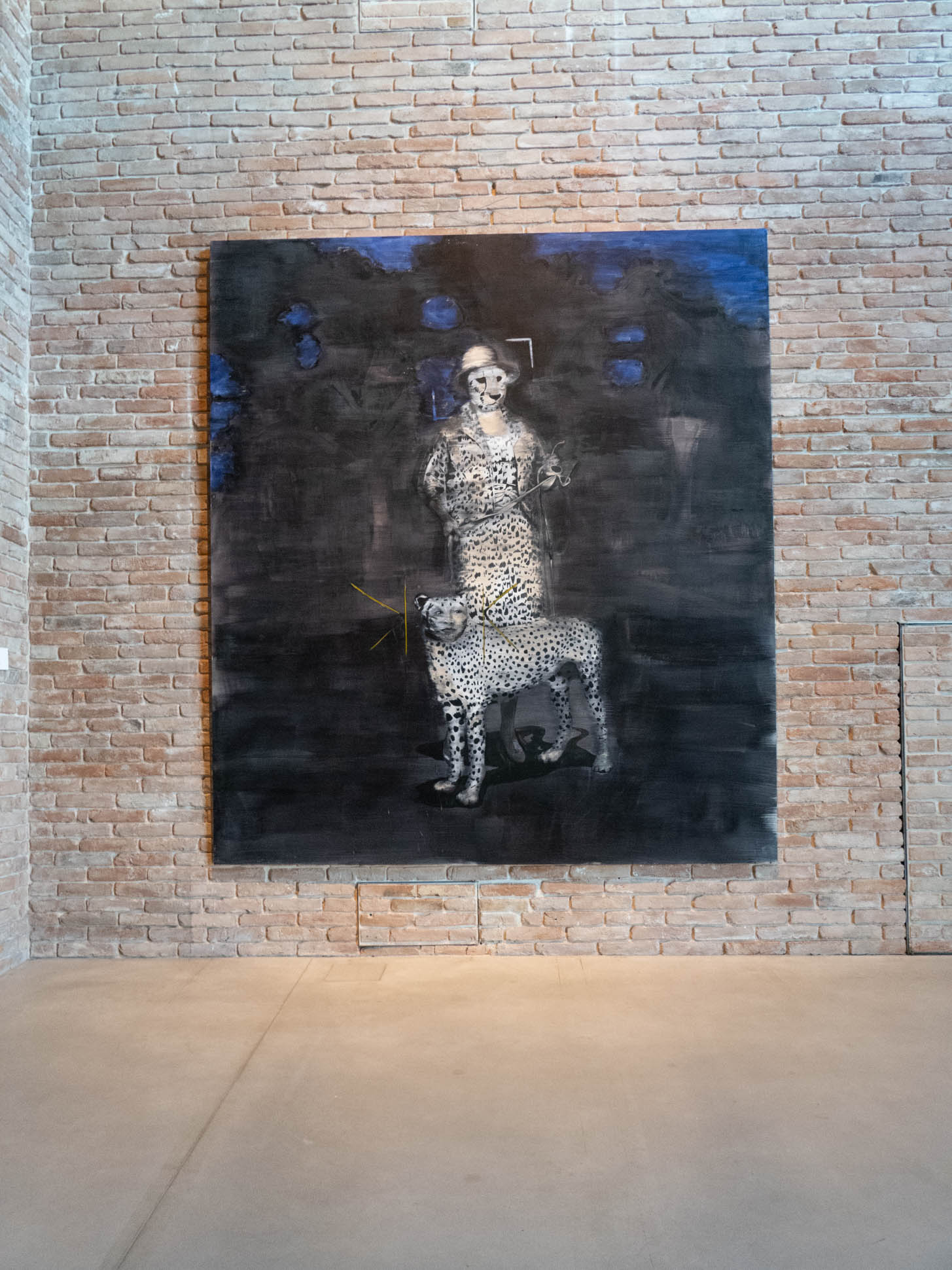
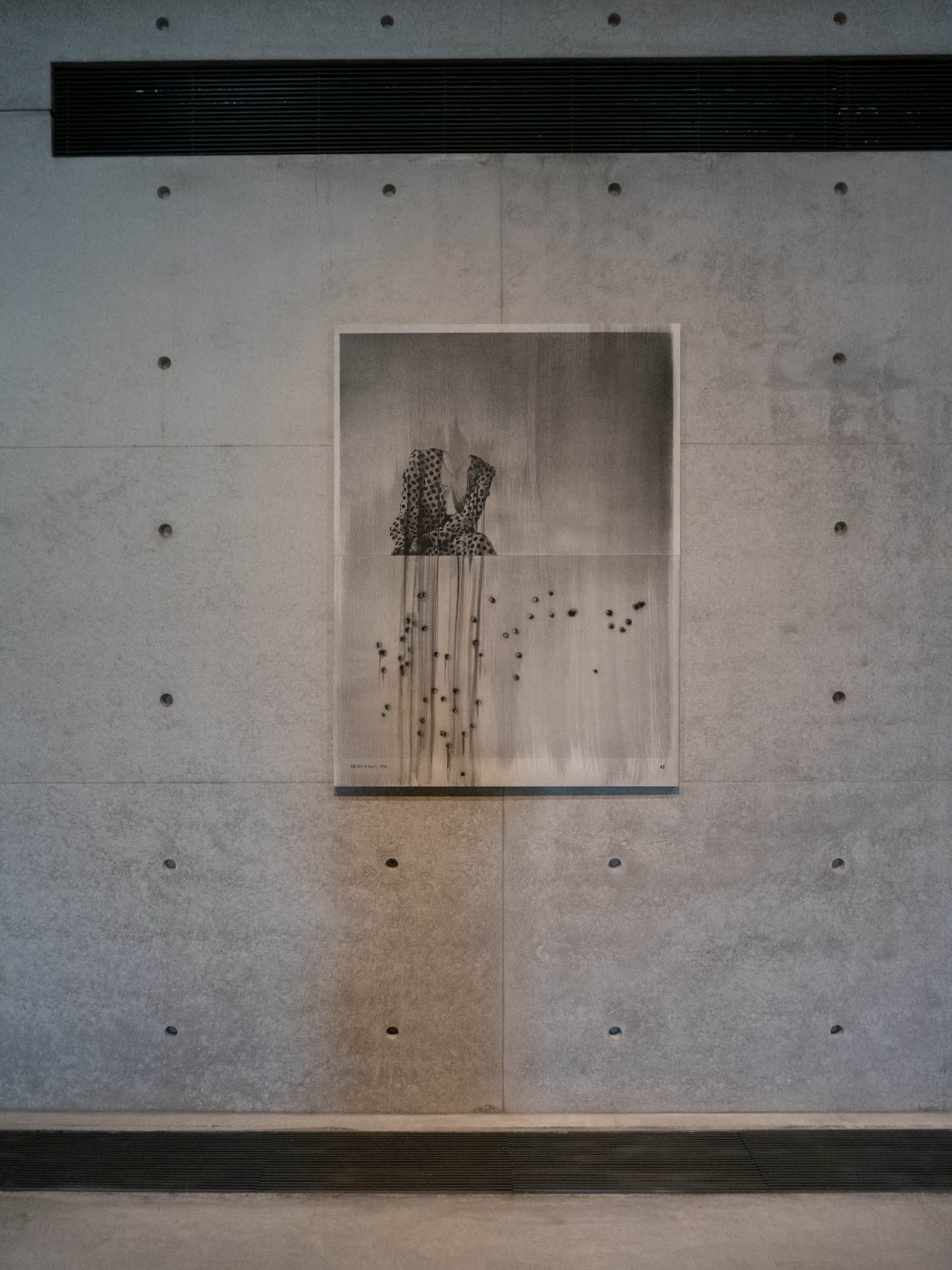
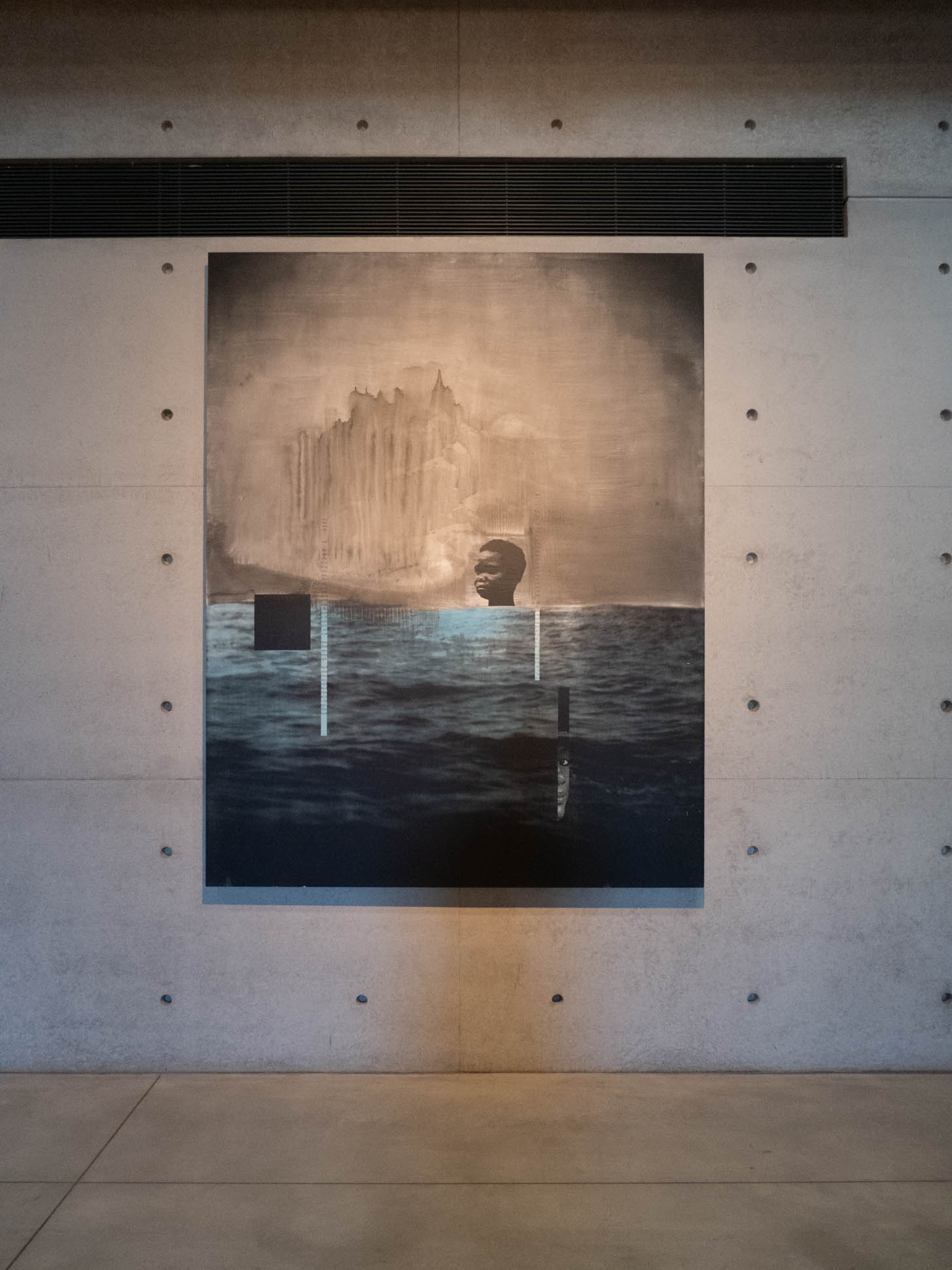
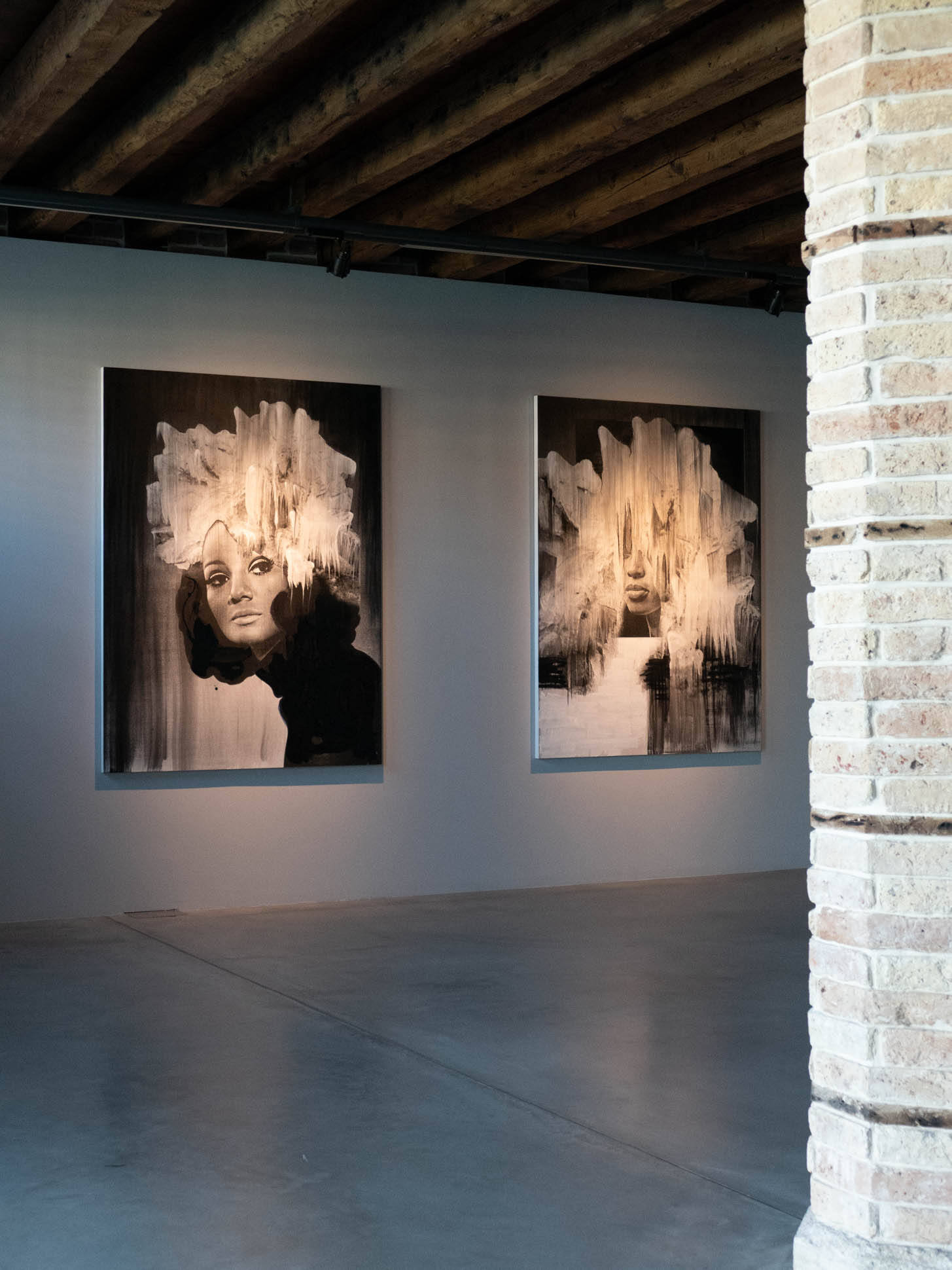
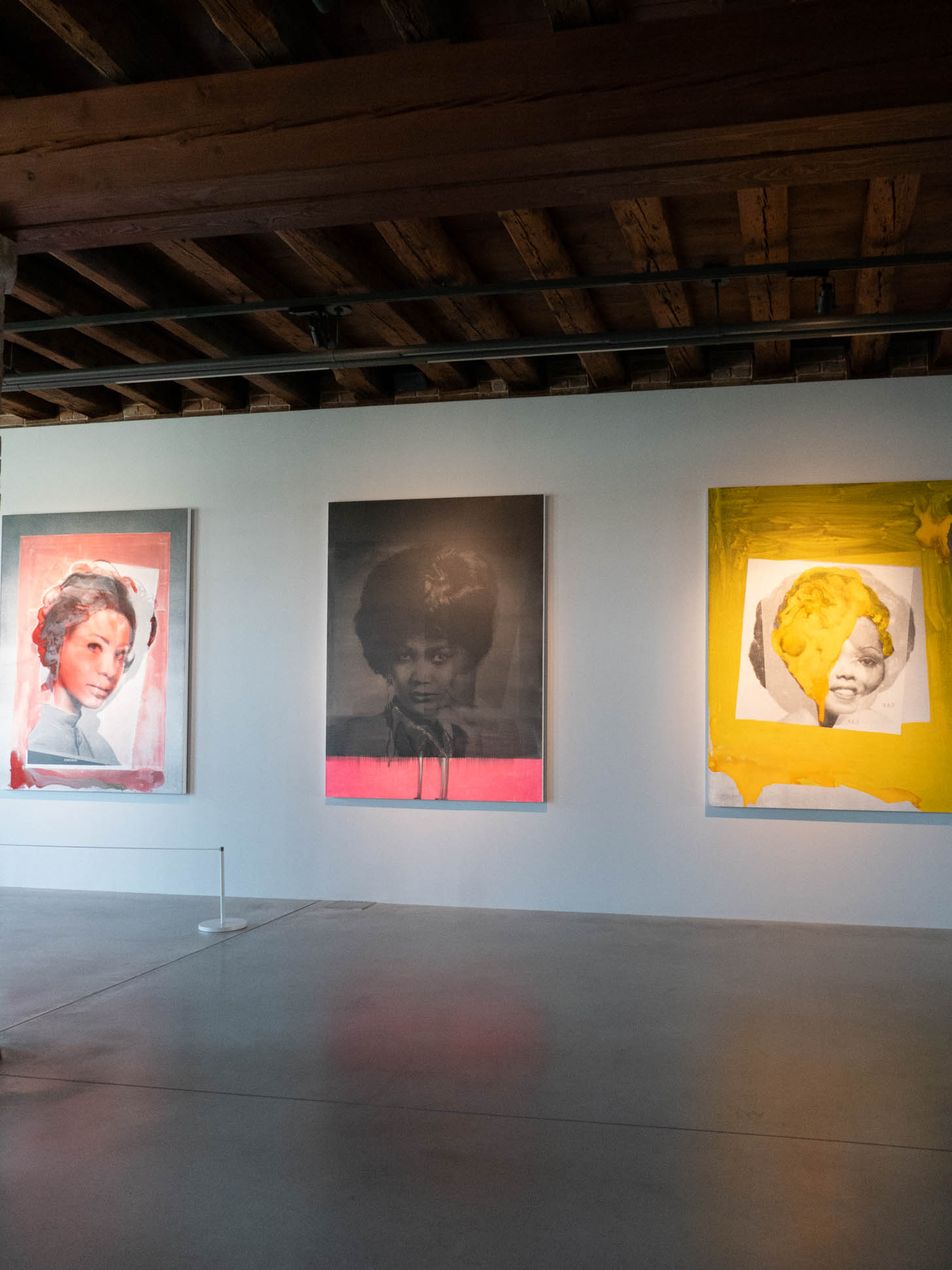
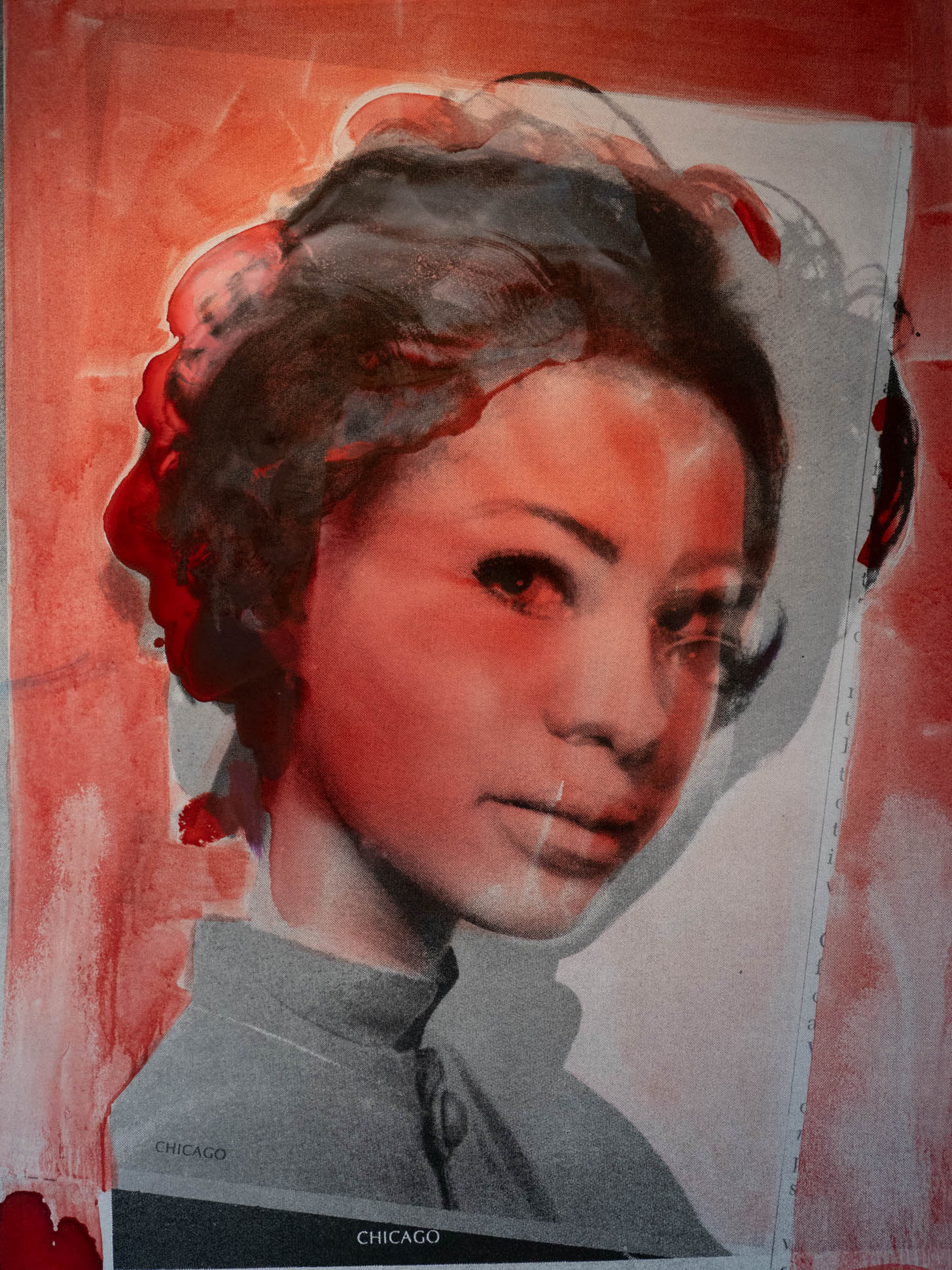
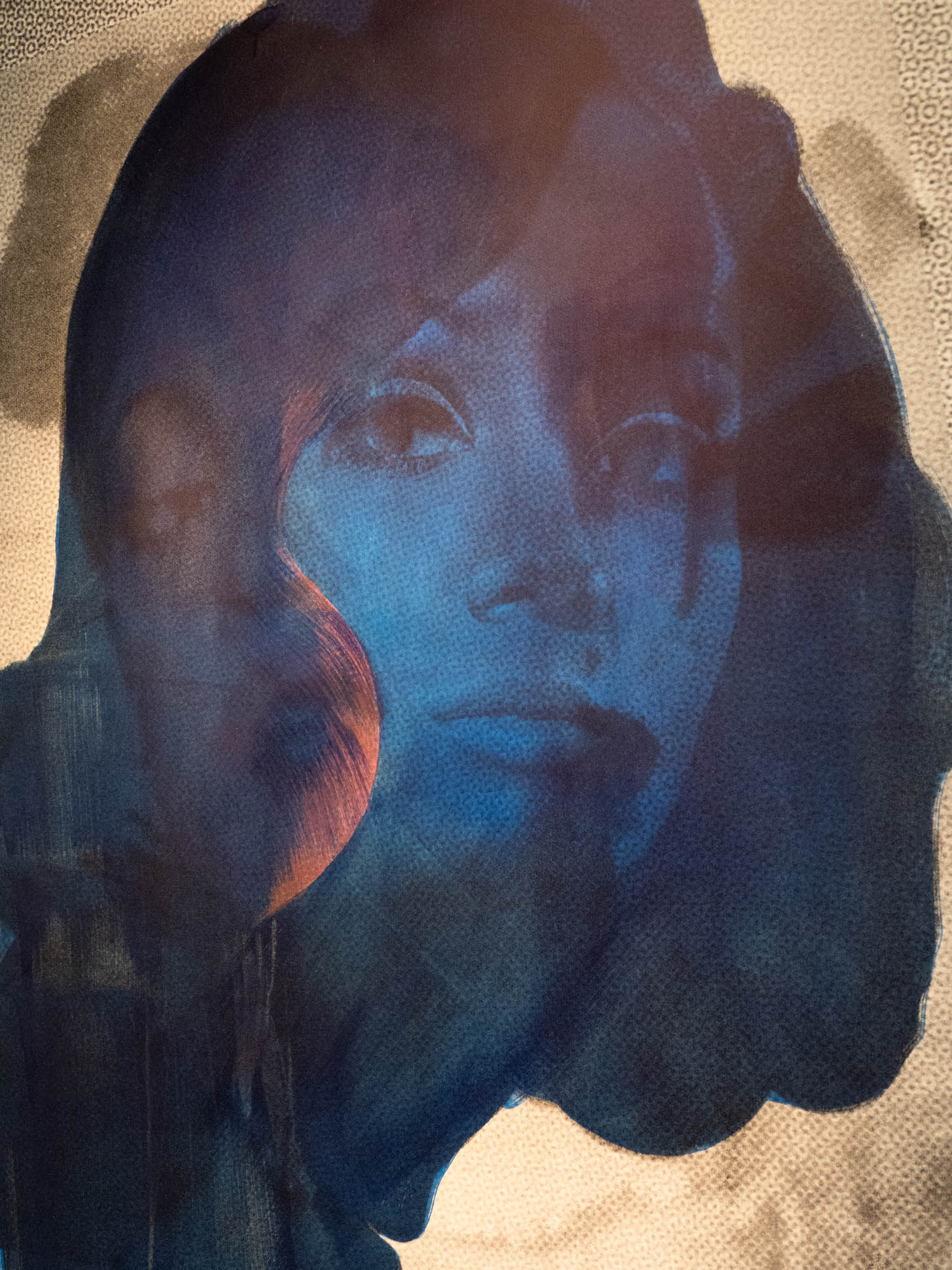
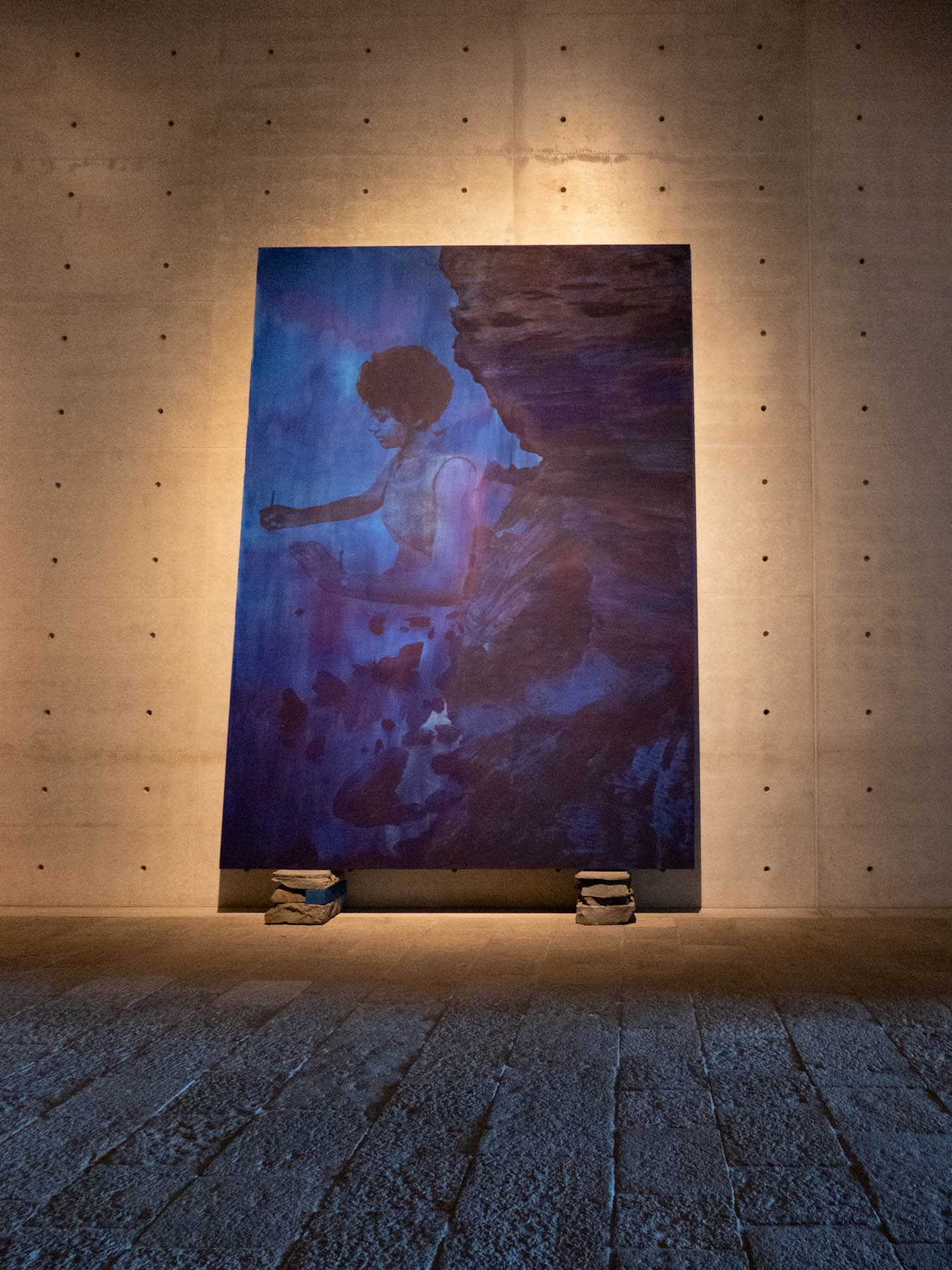
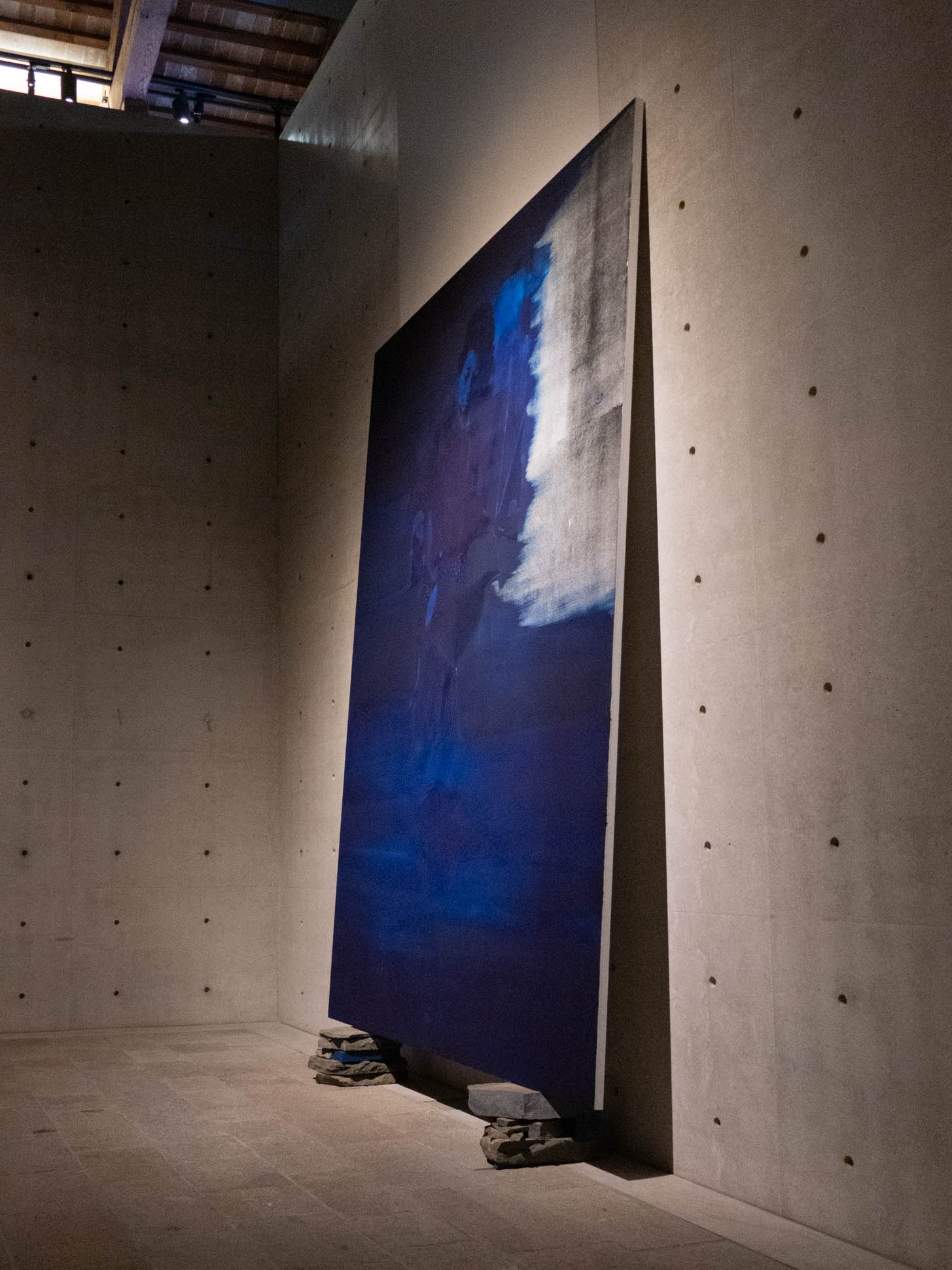
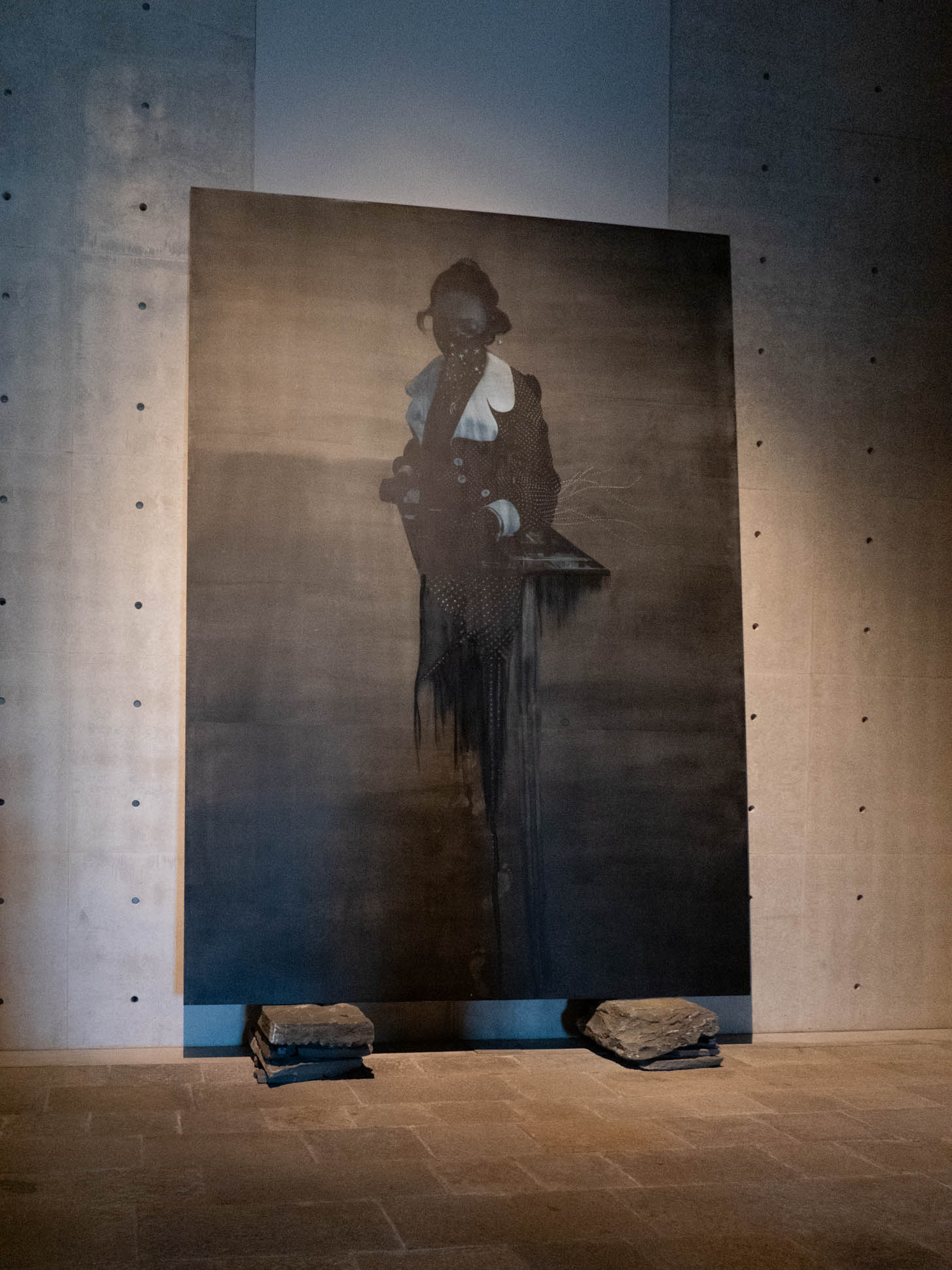
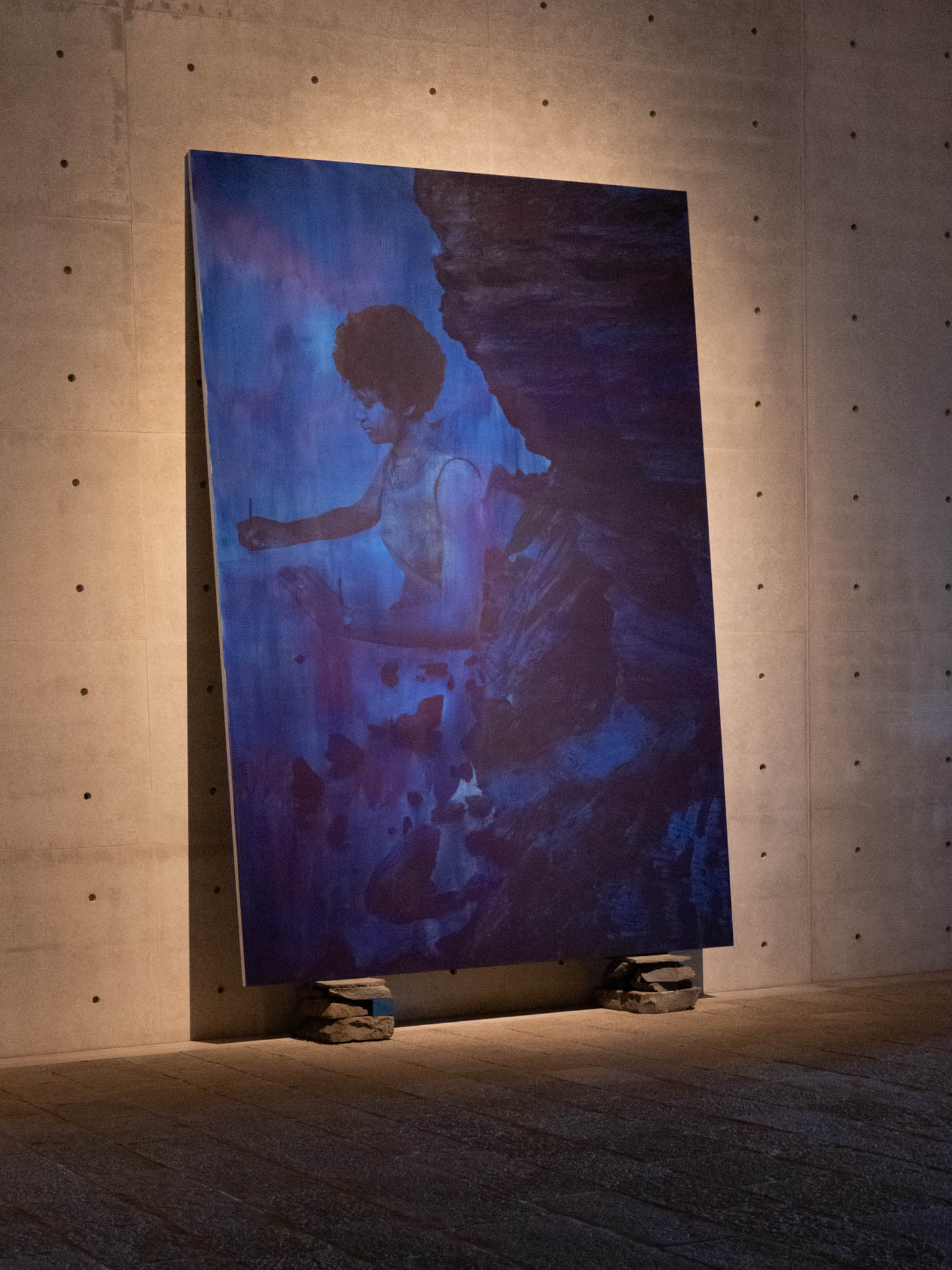
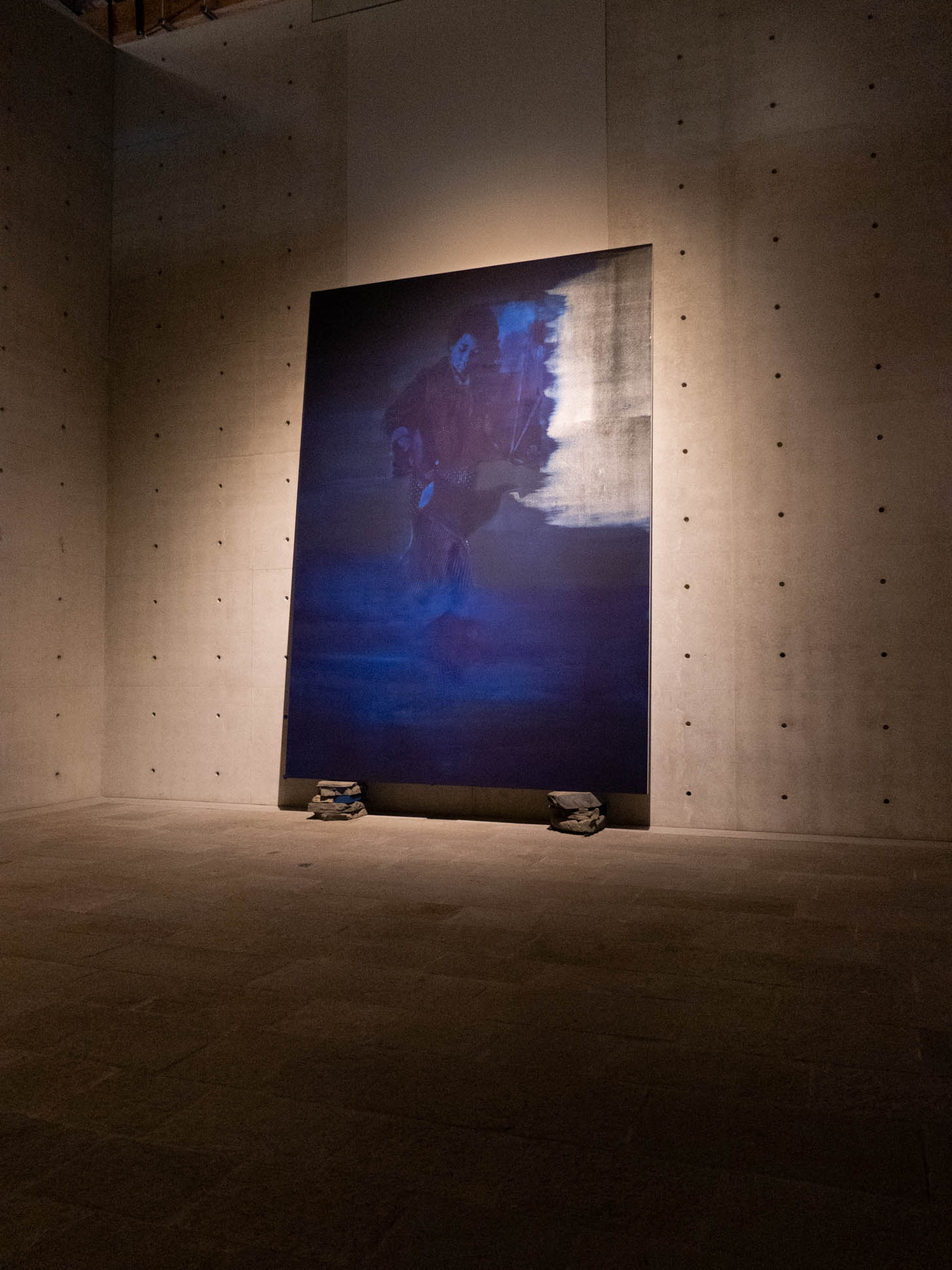
That ambiguity has remained central to her practice. Since the mid-2010s, painting has become an increasingly important part of her work. Simpson takes images from archives, magazines, historical photographs and other visual sources and transforms them through layering, fragmentation and repetition. The resulting works often feel simultaneously familiar and mysterious.
Her paintings can appear beautiful at first encounter, but the longer we look, the more complicated they become. Beneath the surface are questions about memory, representation, history and the ways images influence what we believe to be true.
A world made from fragments. Walking through Punta della Dogana, the viewer encounters a world constructed from fragments.
Simpson does not necessarily give us a beginning, middle and end. Instead, she offers pieces: a figure, a landscape, a face, an archival image, a gesture, a historical reference.
We are left to connect them. This is perhaps one of the most compelling aspects of her work. The artist understands that an image does not exist in isolation. Every photograph carries a history. Every portrait carries assumptions. Every landscape can contain traces of politics, memory and loss.
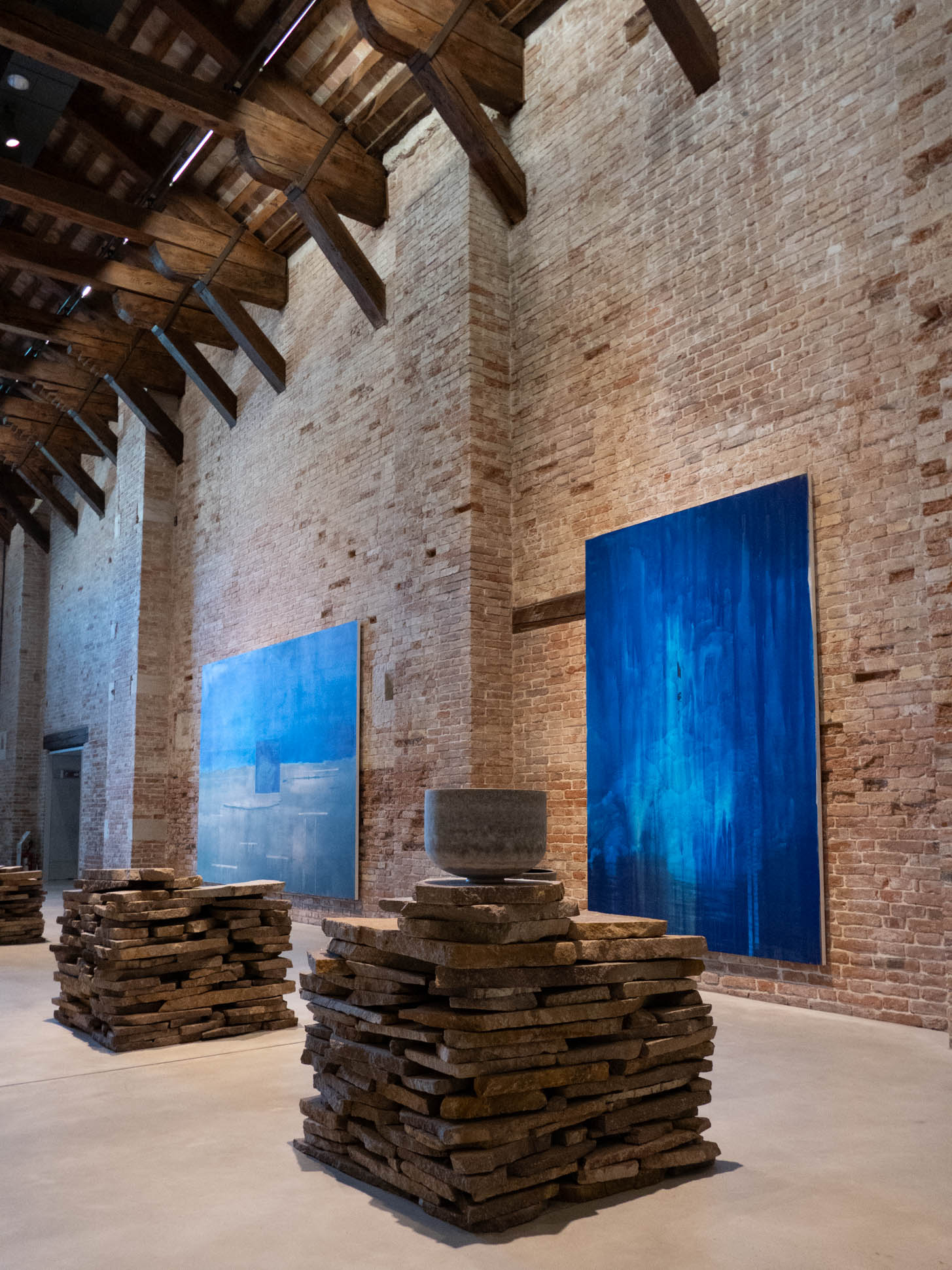
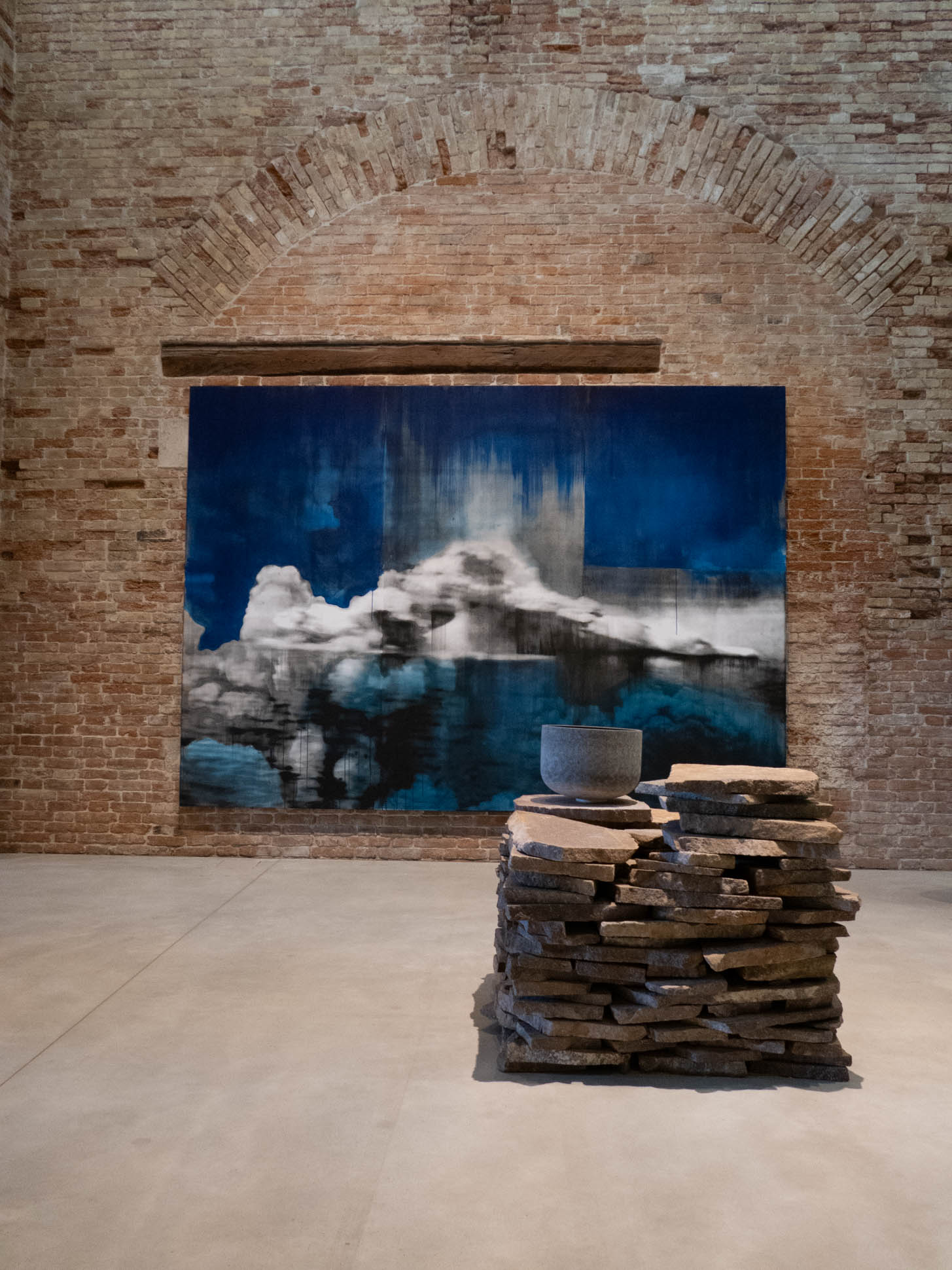
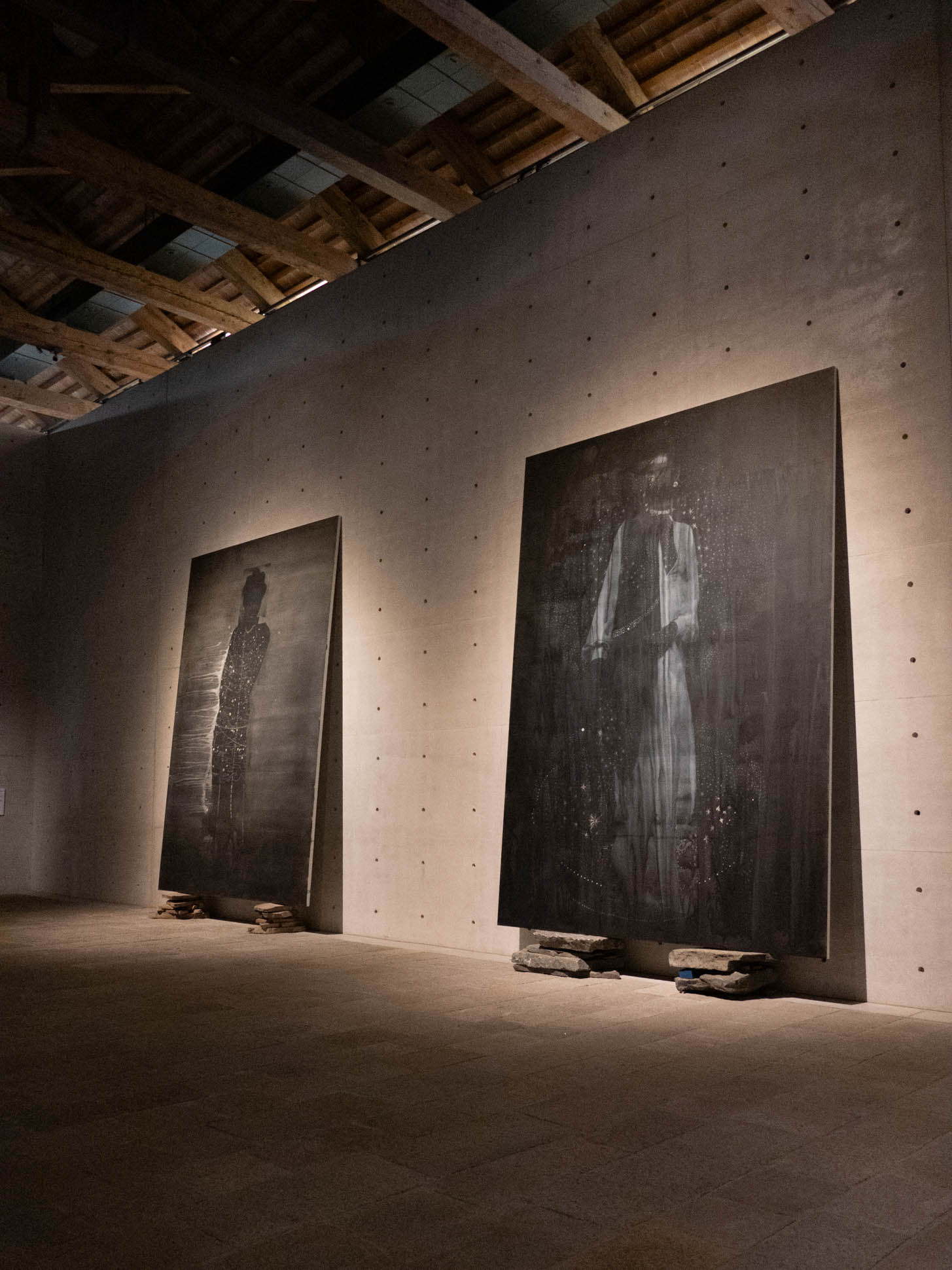
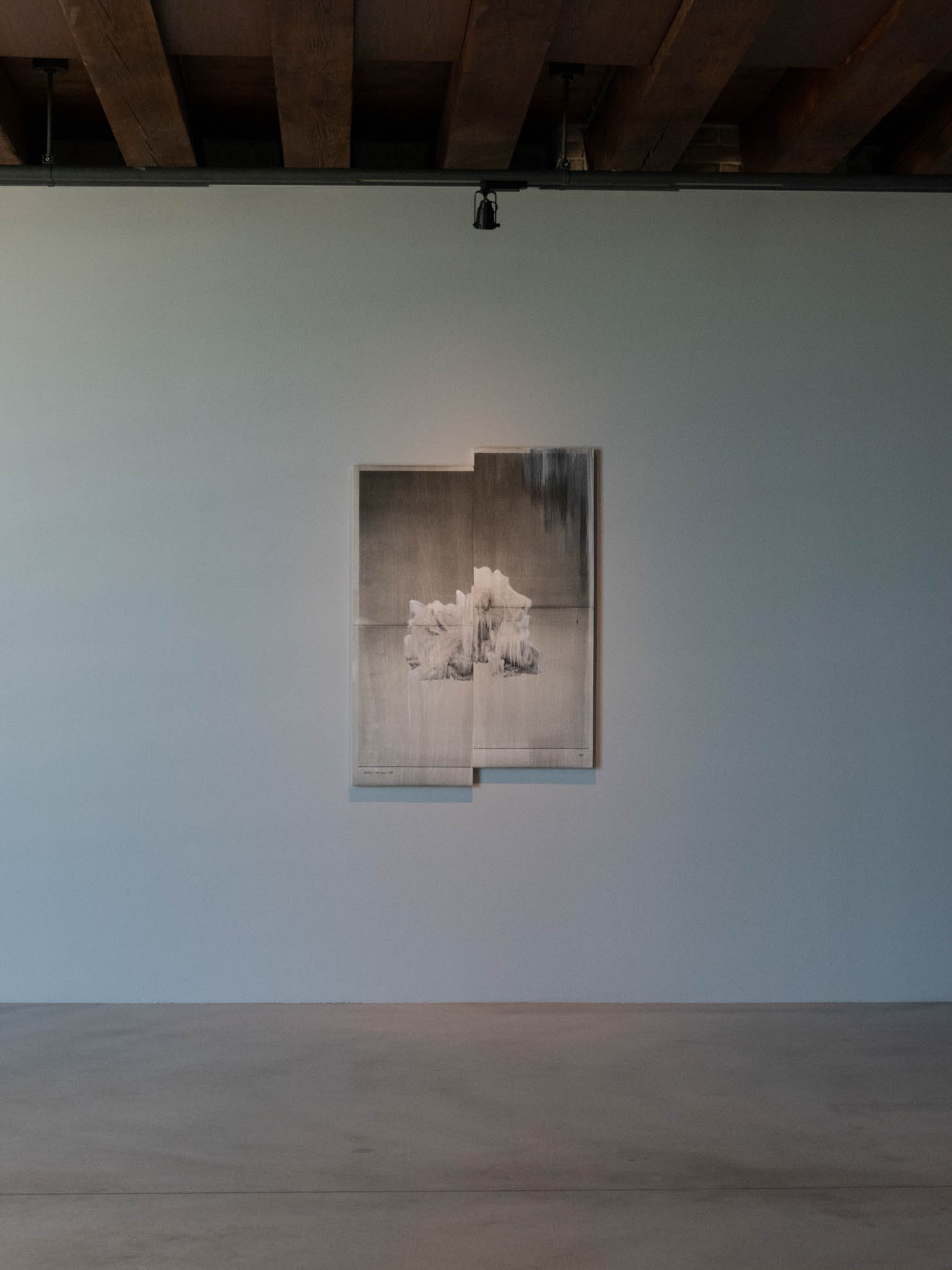
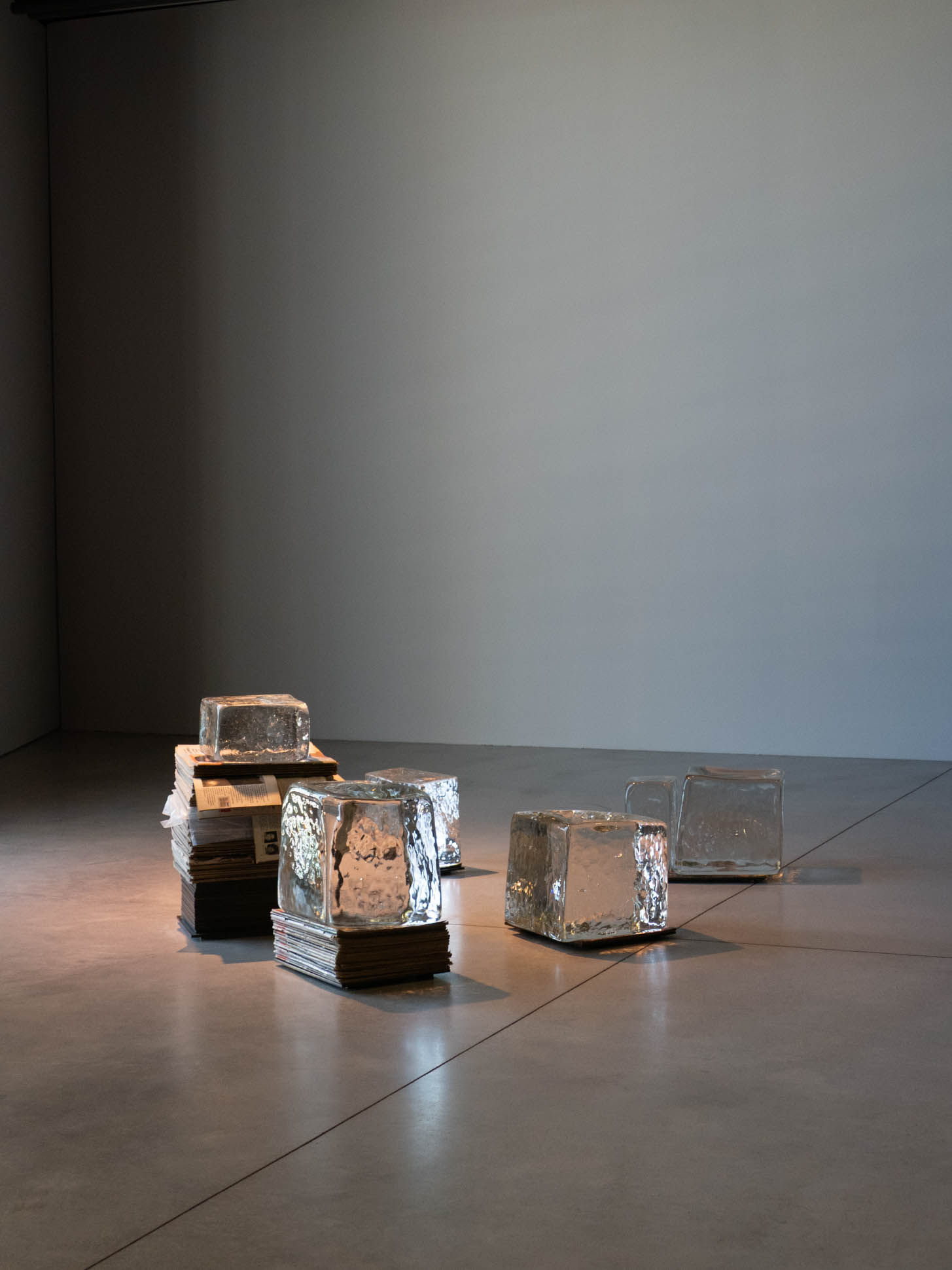
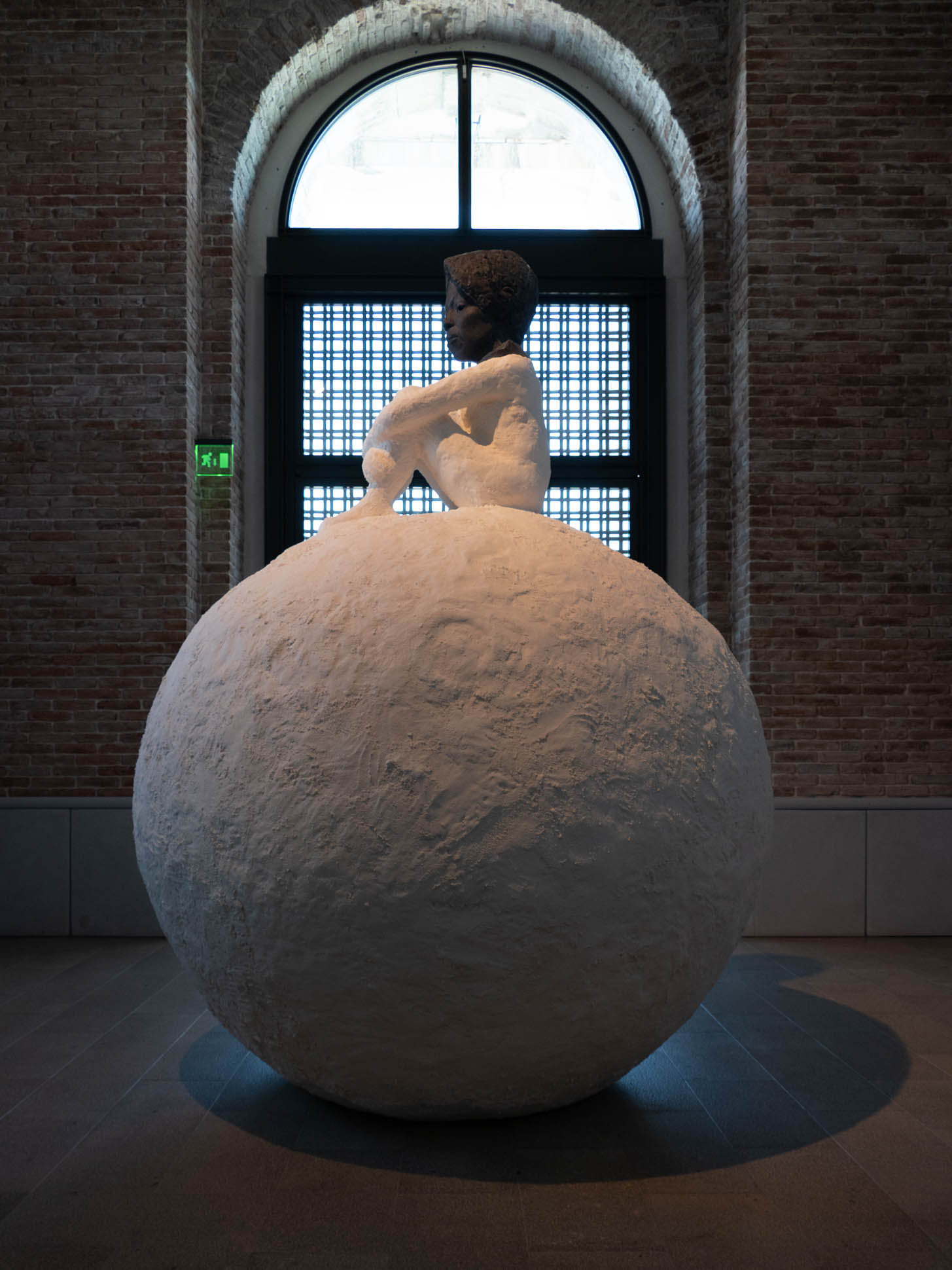
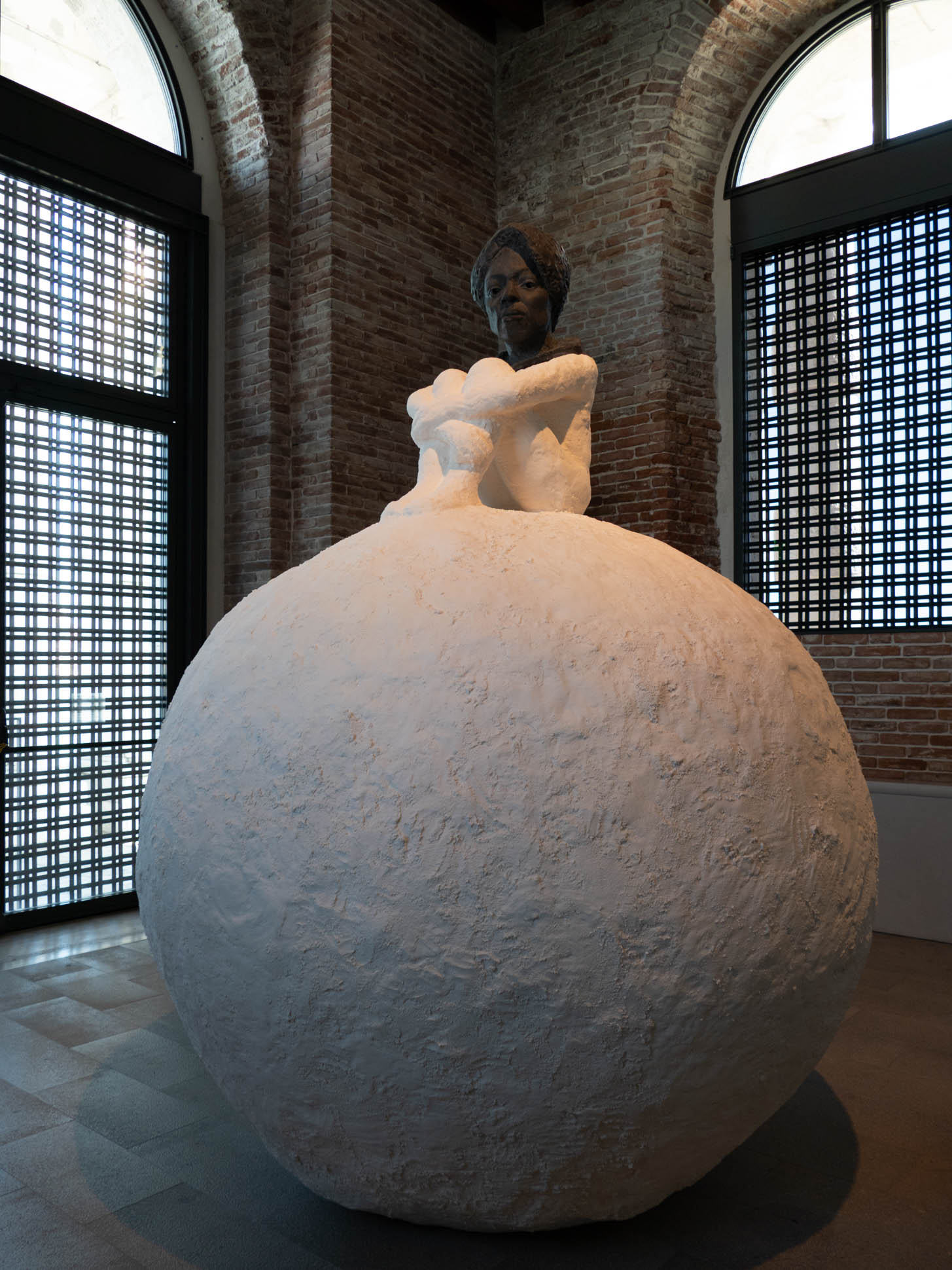
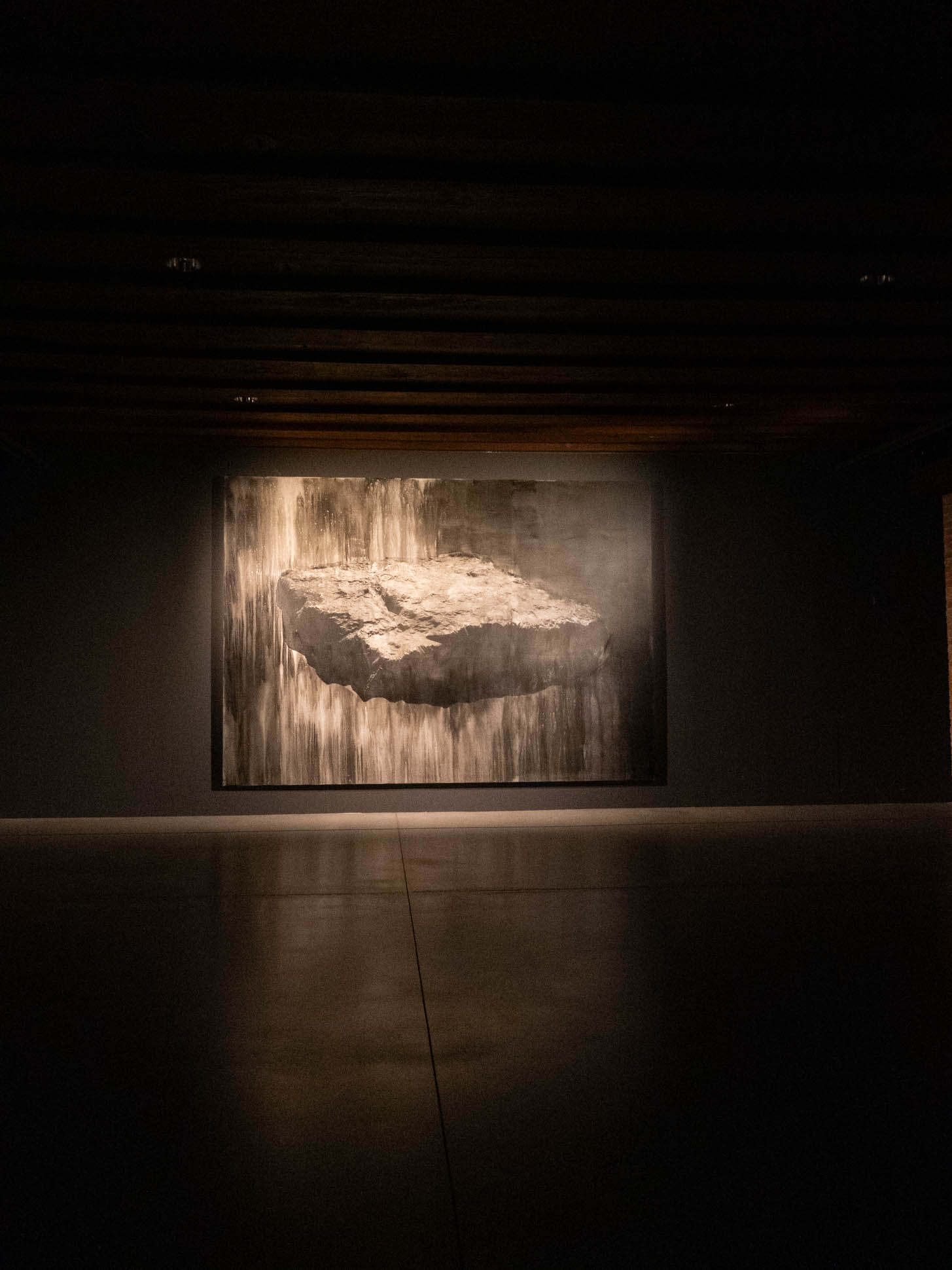
The exhibition brings together several important series from Simpson’s recent practice, including Ice, Special Characters and Earth and Sky. Together, they demonstrate how painting has allowed her to expand the questions that were already present in her photography.
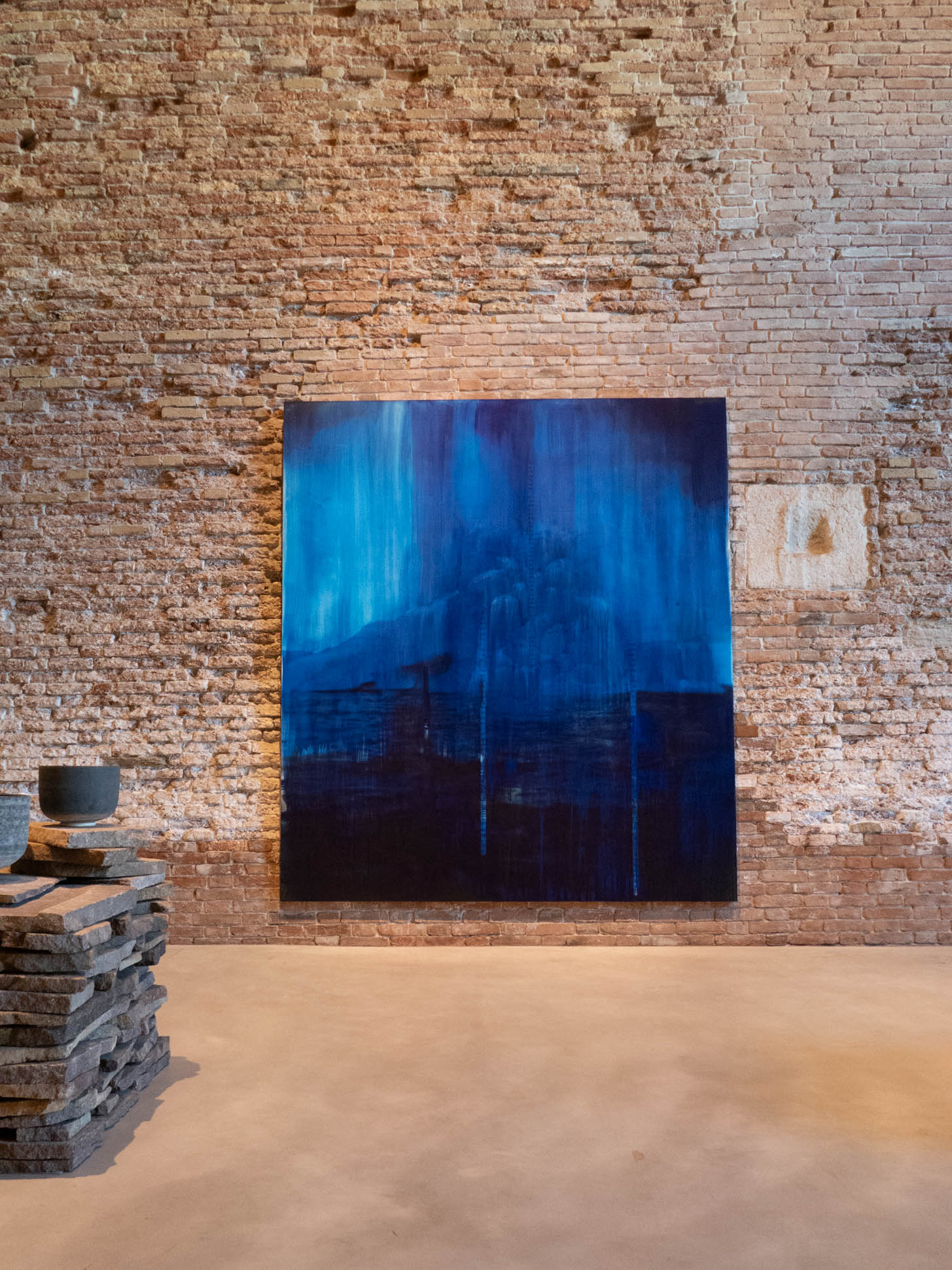
The landscape as memory. In Simpson’s work, landscape is rarely simply landscape.
It can become a psychological space — somewhere between memory and imagination. Desolate environments, skies and icy terrains can feel simultaneously distant and deeply personal.
There is a tension between the beauty of these images and the histories they evoke. The paintings may initially appear calm, even cinematic, but underneath their surfaces are more unsettling questions about violence, environmental change and the instability of memory.
This duality is characteristic of Simpson’s practice: seduction and discomfort exist together.
The viewer is attracted by the visual richness of the work, only to discover that the image resists easy interpretation.
Why “Third Person”? The title Third Person is particularly evocative.
The third person is someone who observes from a certain distance — neither entirely inside the story nor completely outside it. This position resonates with Simpson’s approach to images. Her works often create a space between the viewer and the subject, asking us to become conscious of the distance between what we see and what we think we understand.
Perhaps this is why her work feels so contemporary.
We live in a world saturated with images. Photographs, advertisements, social media, archives and artificial images constantly tell us who people are, what places mean and what stories deserve our attention.
Simpson reminds us that seeing is never completely neutral.
Punta della Dogana provides an extraordinary setting for this exploration.
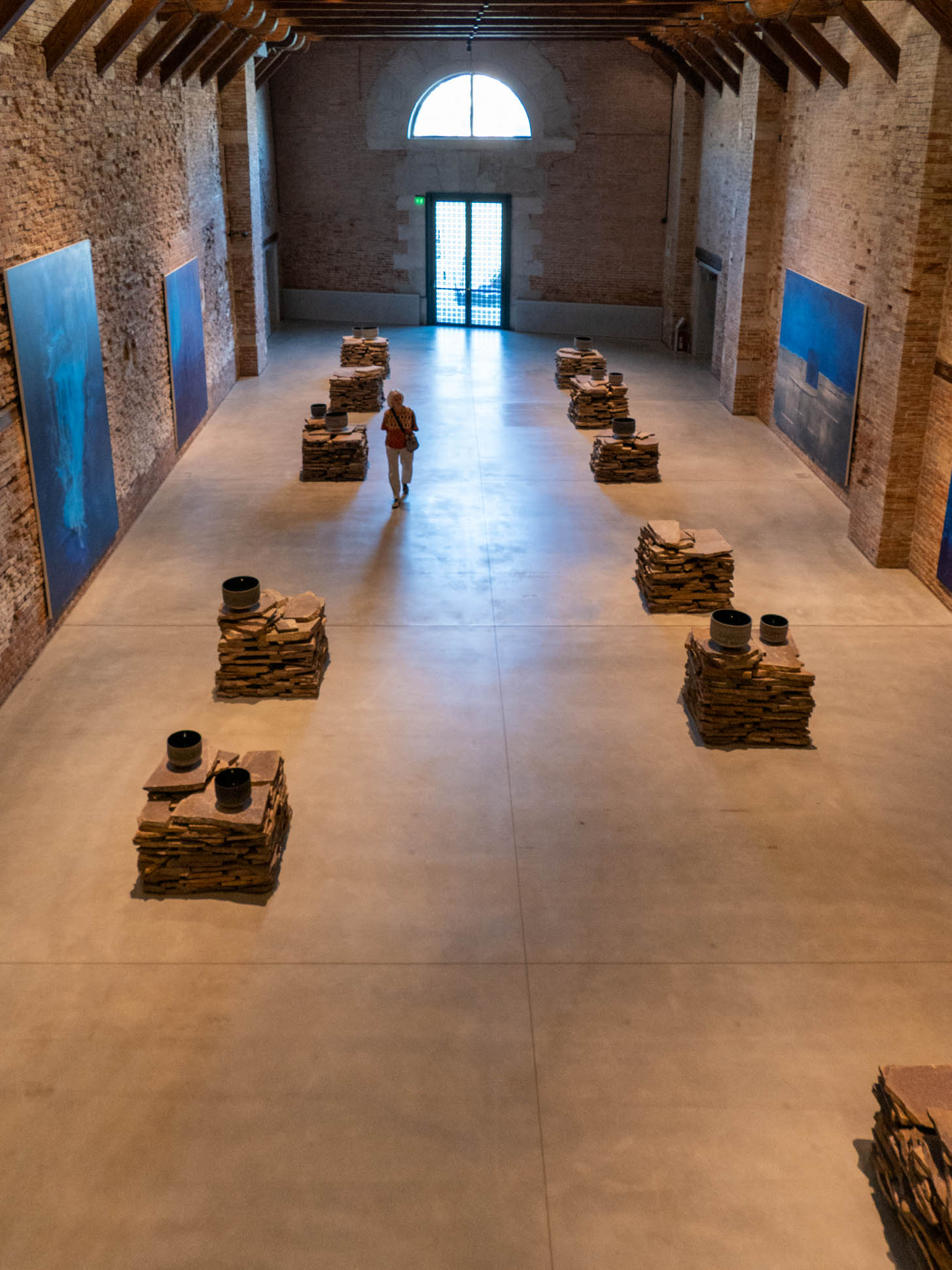
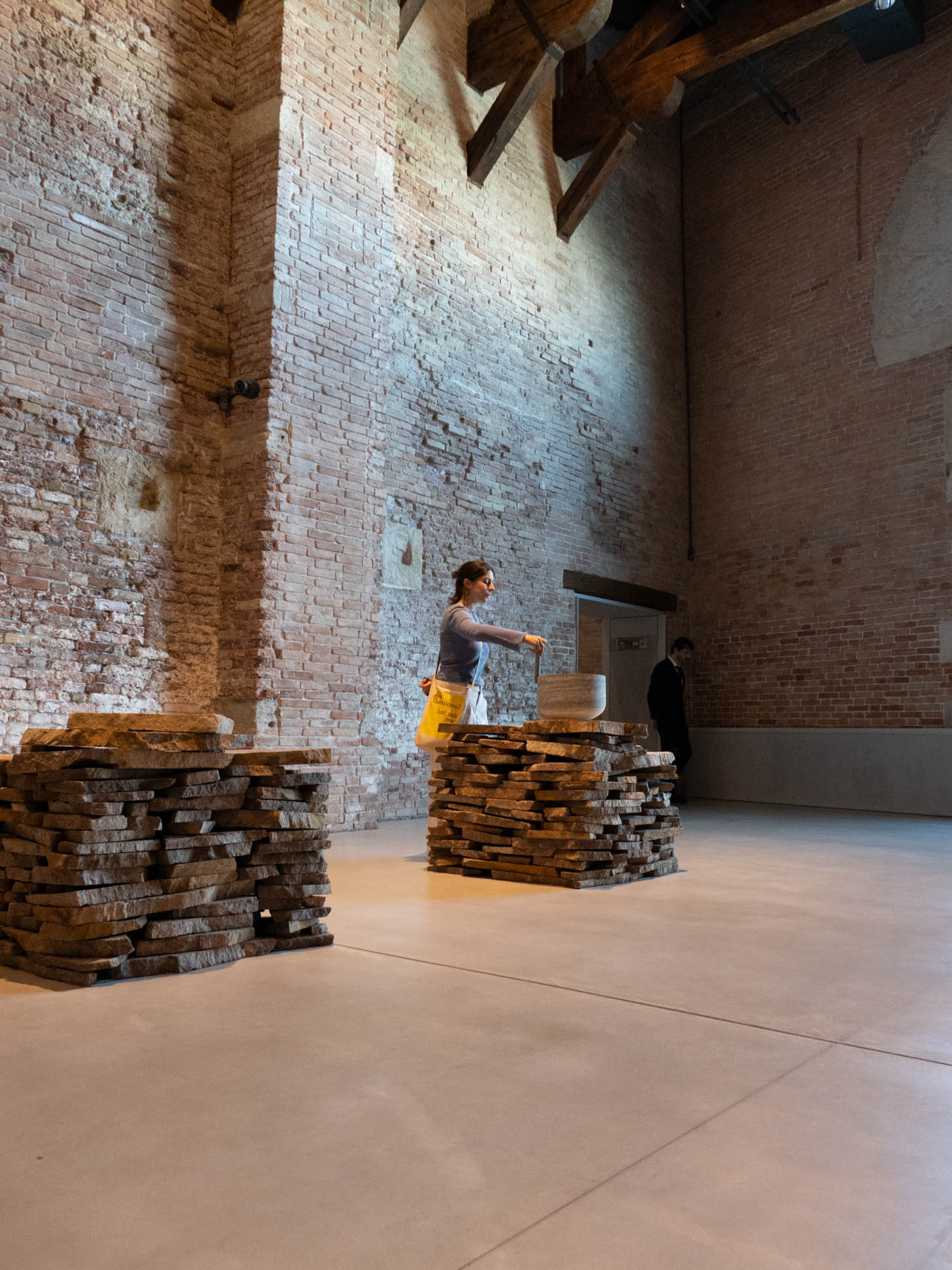
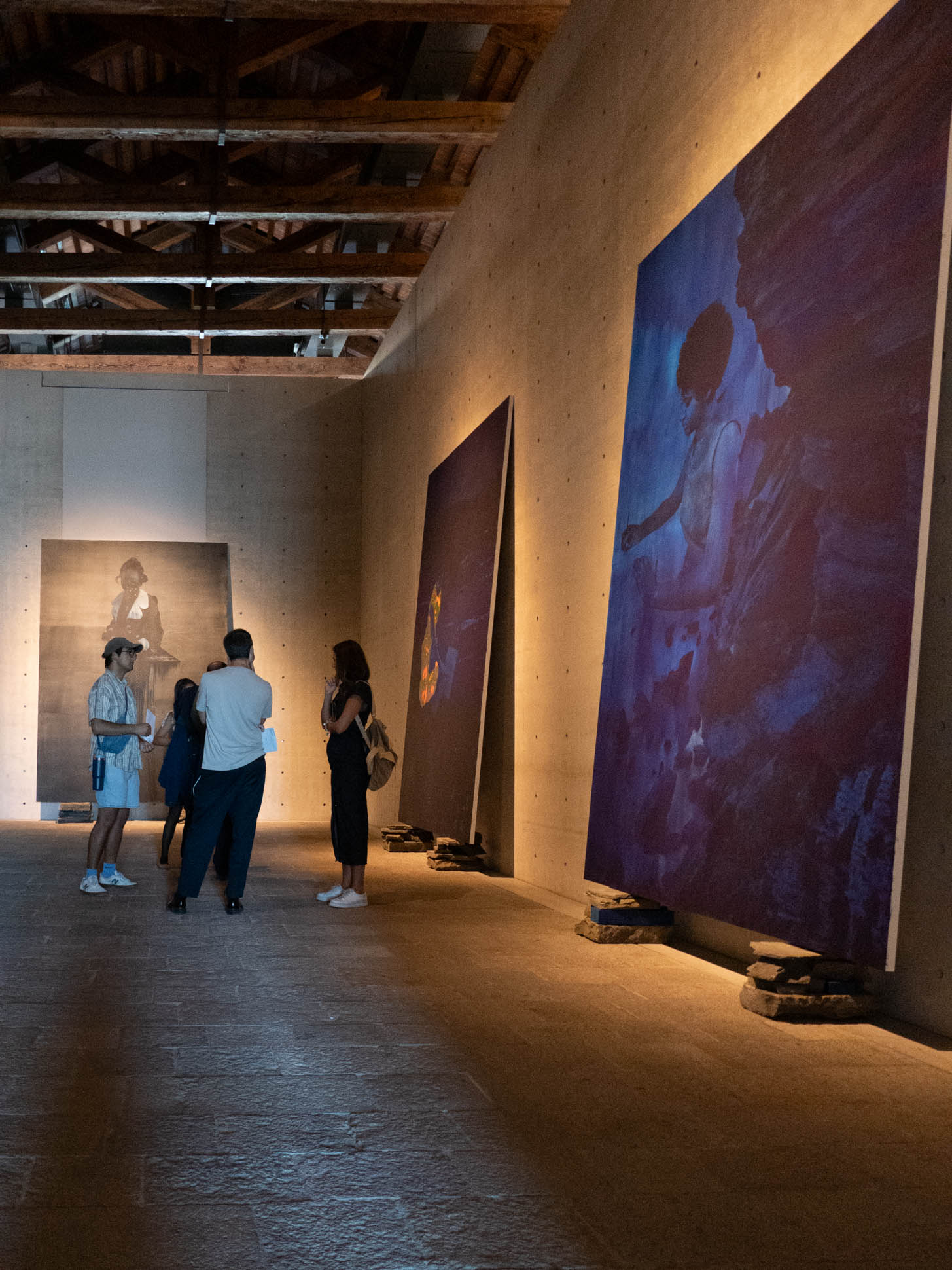
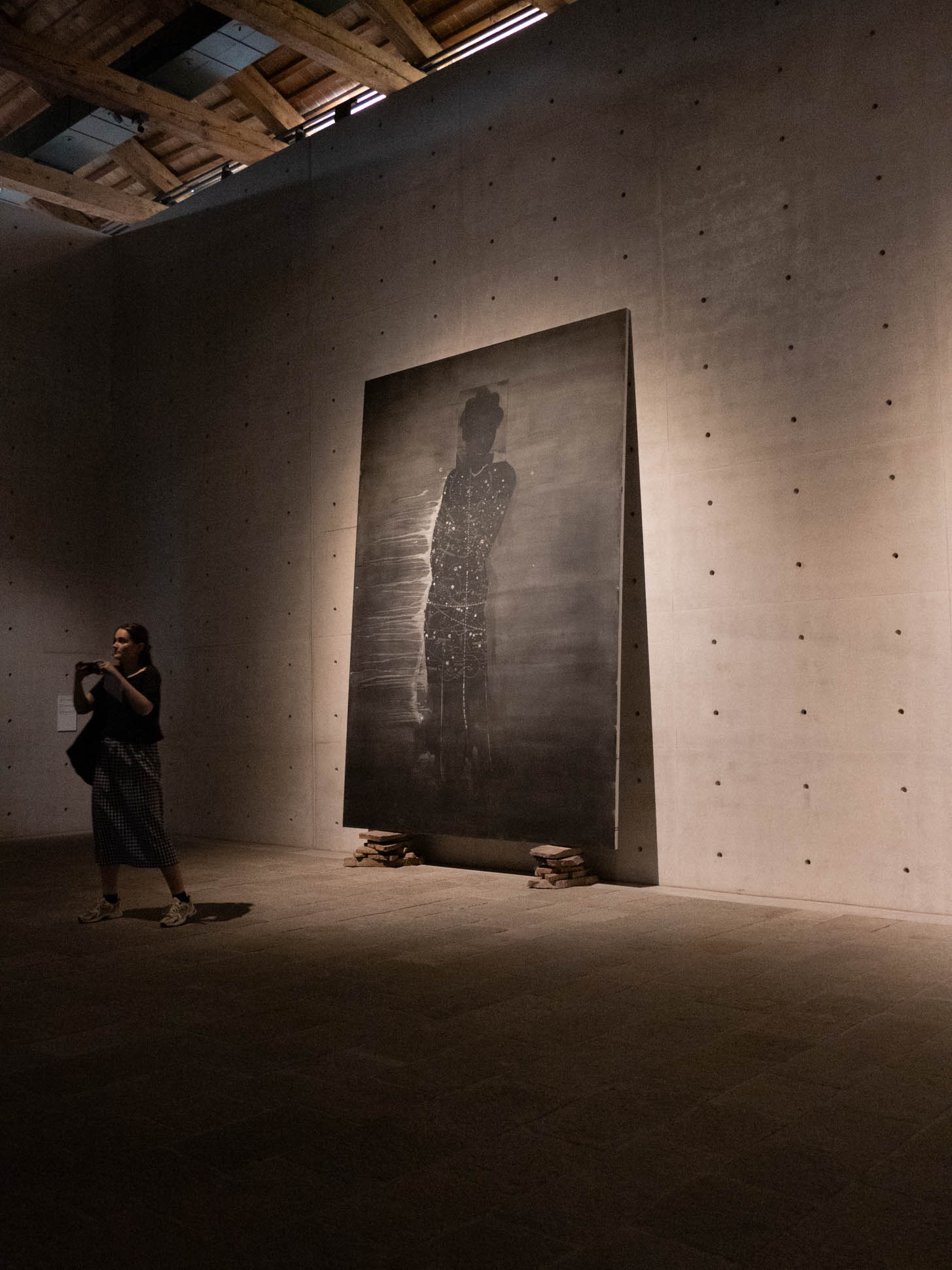
The former customs house stands at the meeting point of Venice’s Grand Canal and Giudecca Canal. Its monumental spaces and industrial architecture create a striking contrast with Simpson’s layered and often intimate imagery.
Importantly, the Venetian exhibition was conceived specifically for Punta della Dogana rather than simply reproducing the earlier New York presentation. It is a renewed and expanded selection, with new works made specifically for the exhibition.
The architecture therefore becomes part of the experience.
The scale of the rooms allows Simpson’s large paintings to exist almost as environments. Moving through the exhibition, the viewer is not simply looking at individual works but entering a sequence of visual relationships.
The building, the artworks and the viewer become part of the same composition.
Perhaps the most valuable thing about Lorna Simpson’s work is that it does not tell us exactly what to think.
Instead, it encourages us to look again.
A first glance gives us an image. A second glance reveals a question.
Third Person ultimately reminds us that an image can never tell the whole story. There is always something beyond the frame: another perspective, another memory, another history.
And perhaps that is the real invitation of Lorna Simpson’s work: not simply to see more, but to look more carefully.