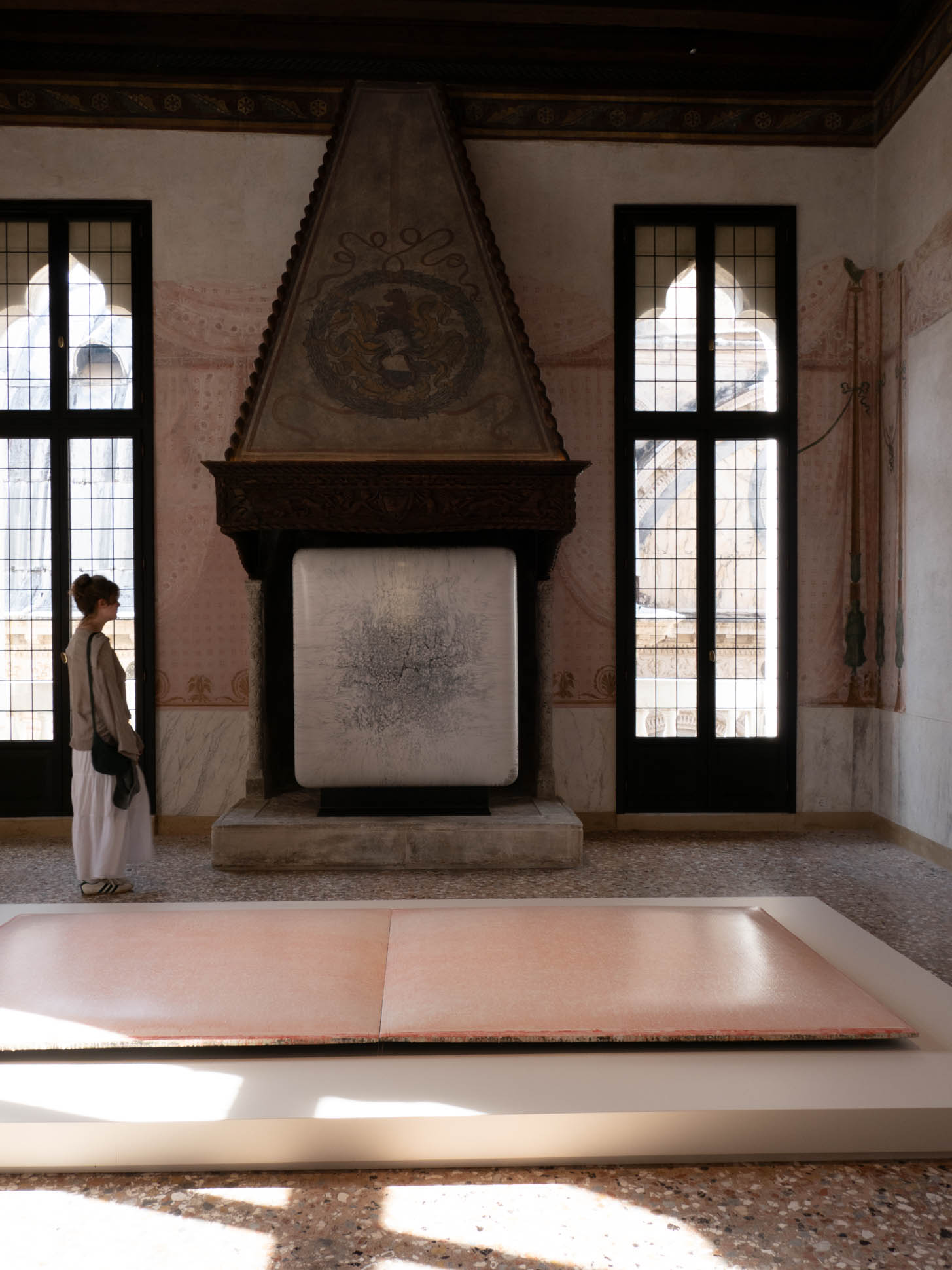
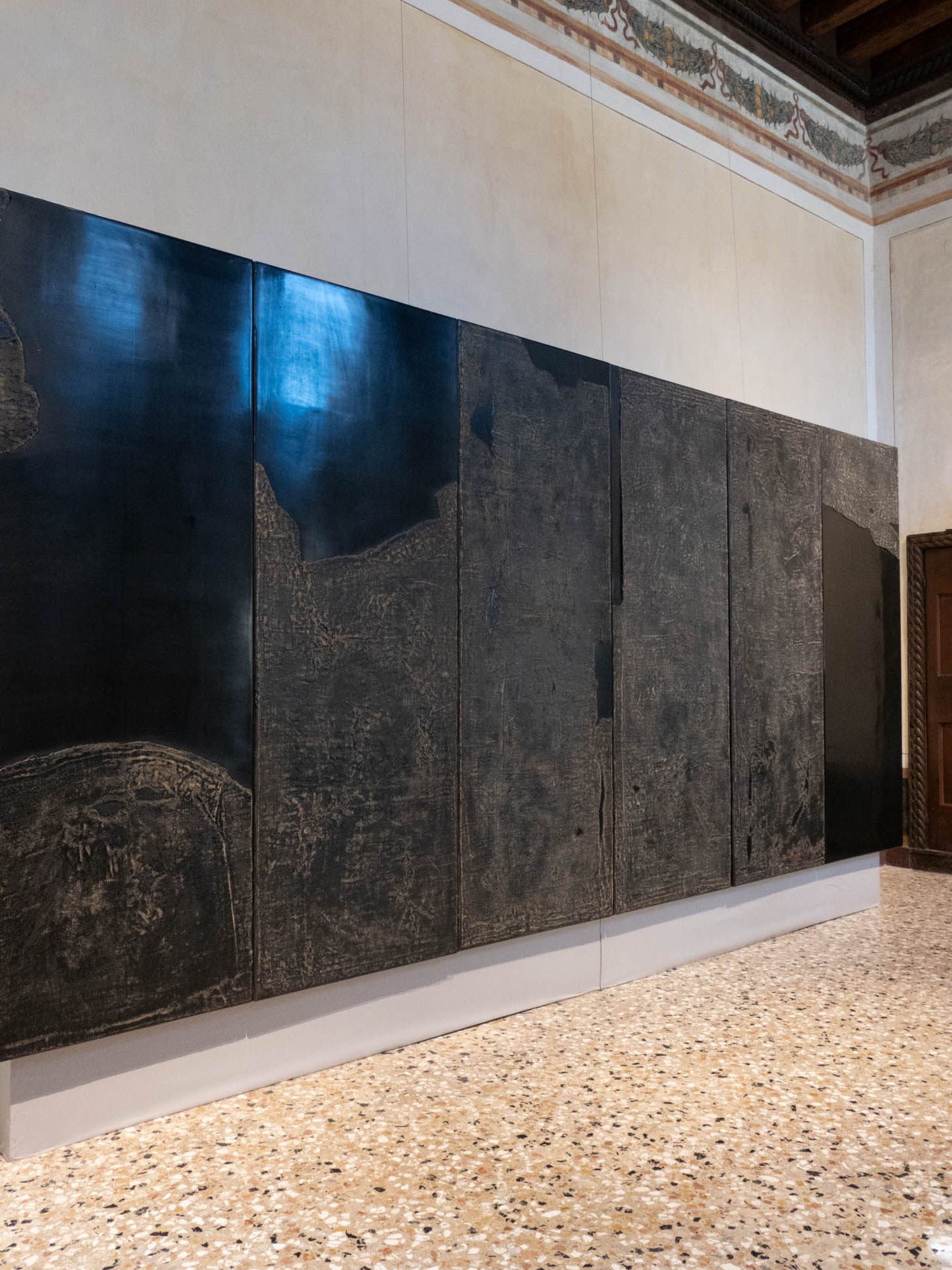
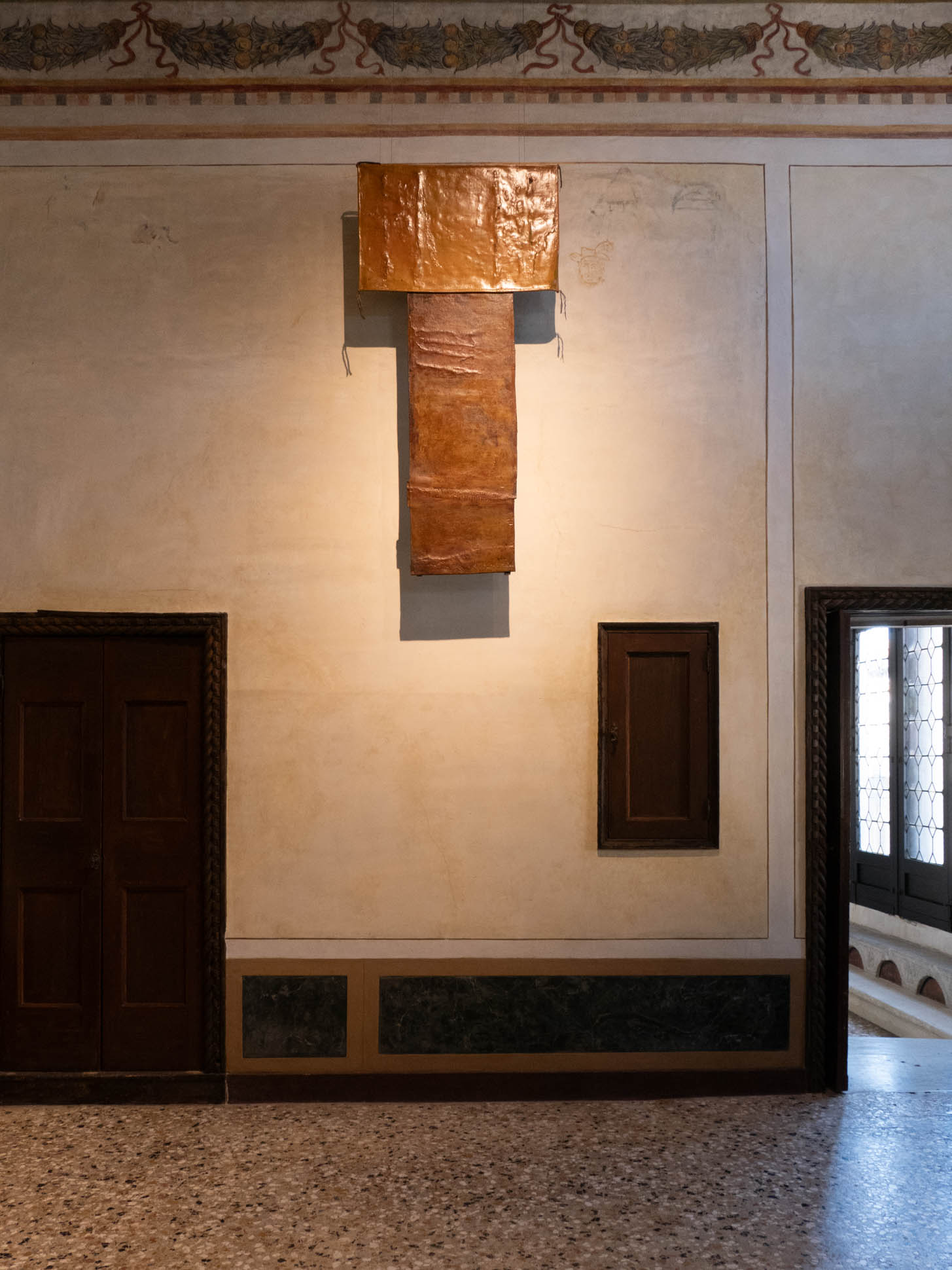
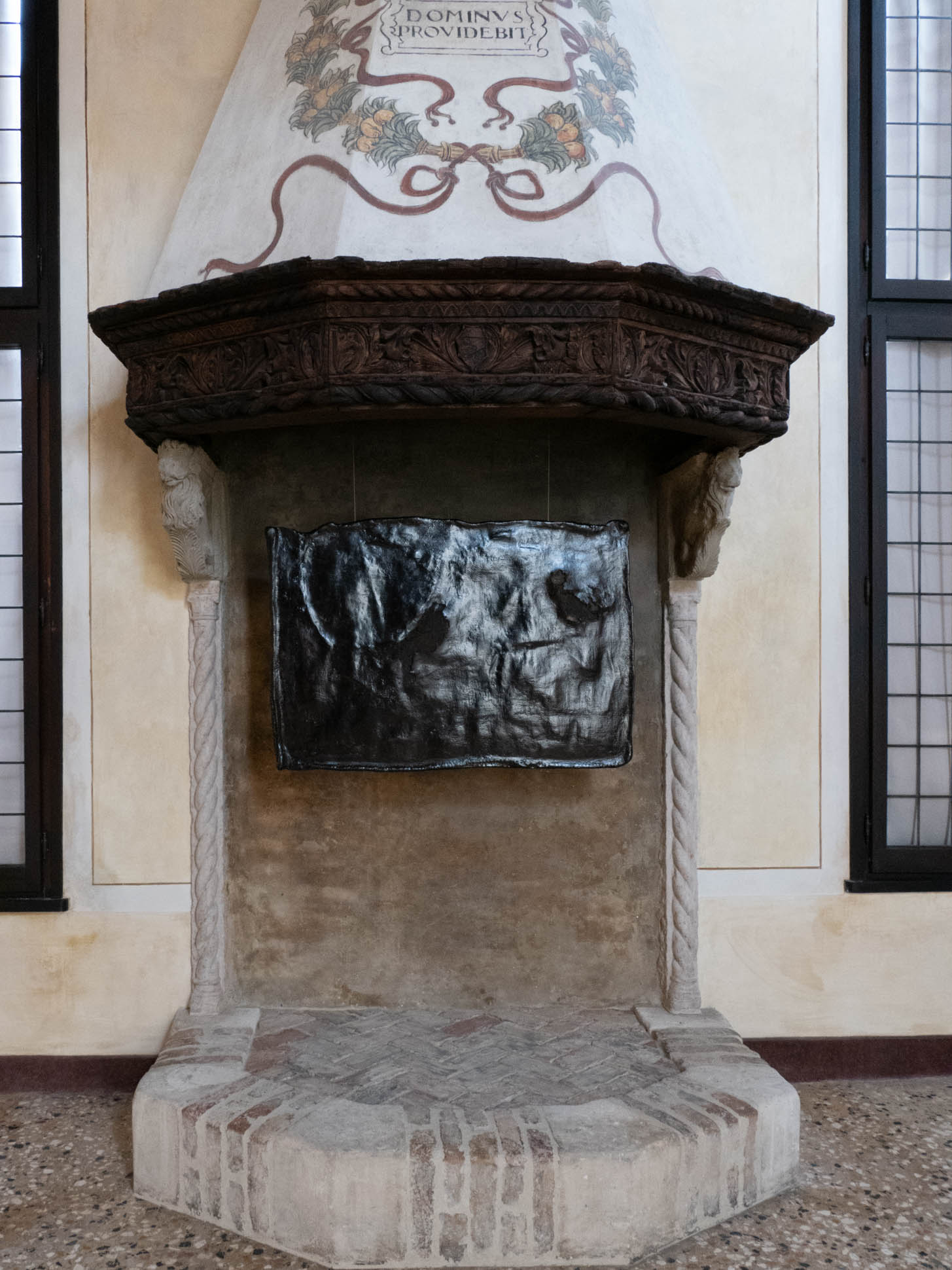
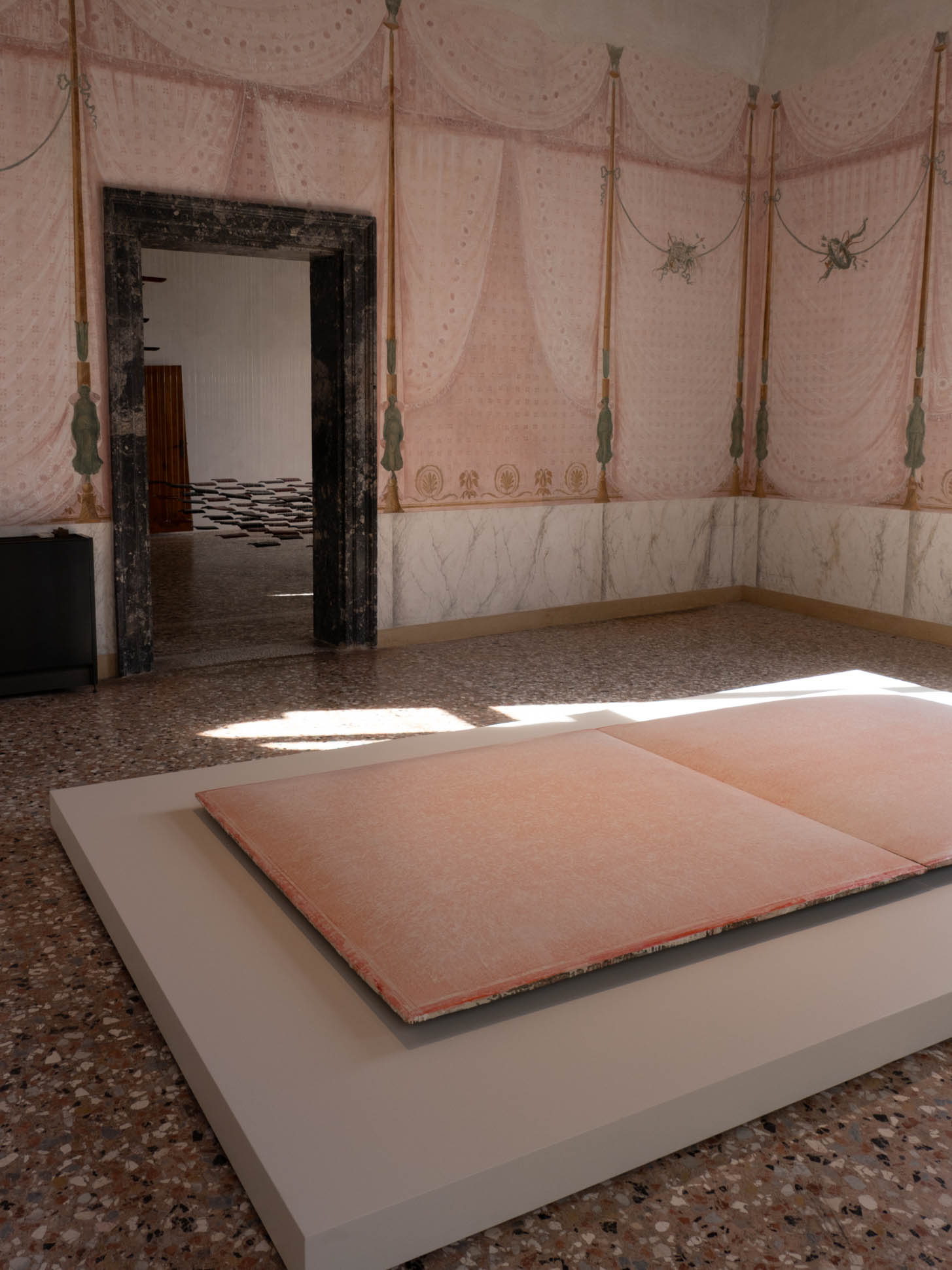
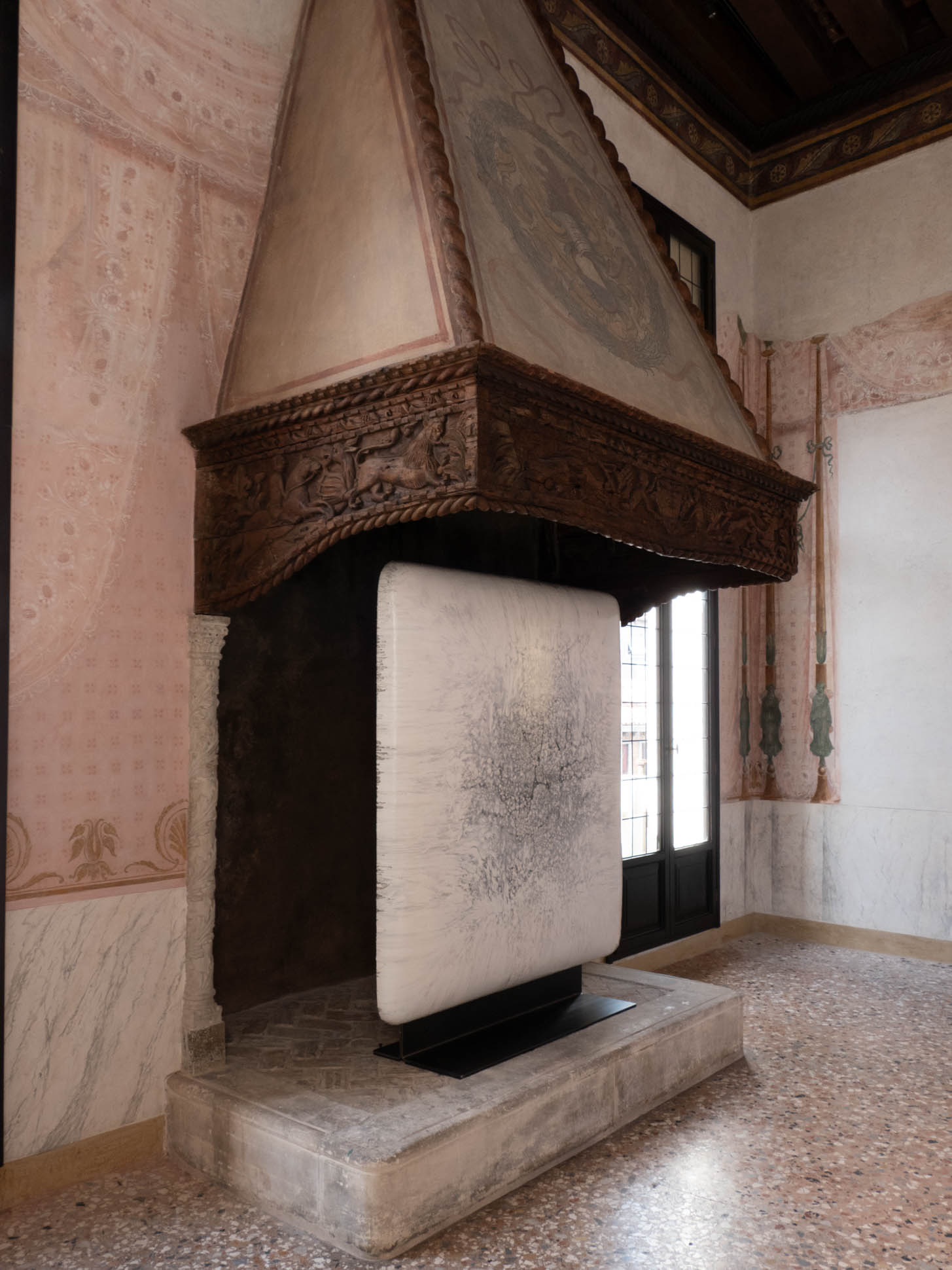
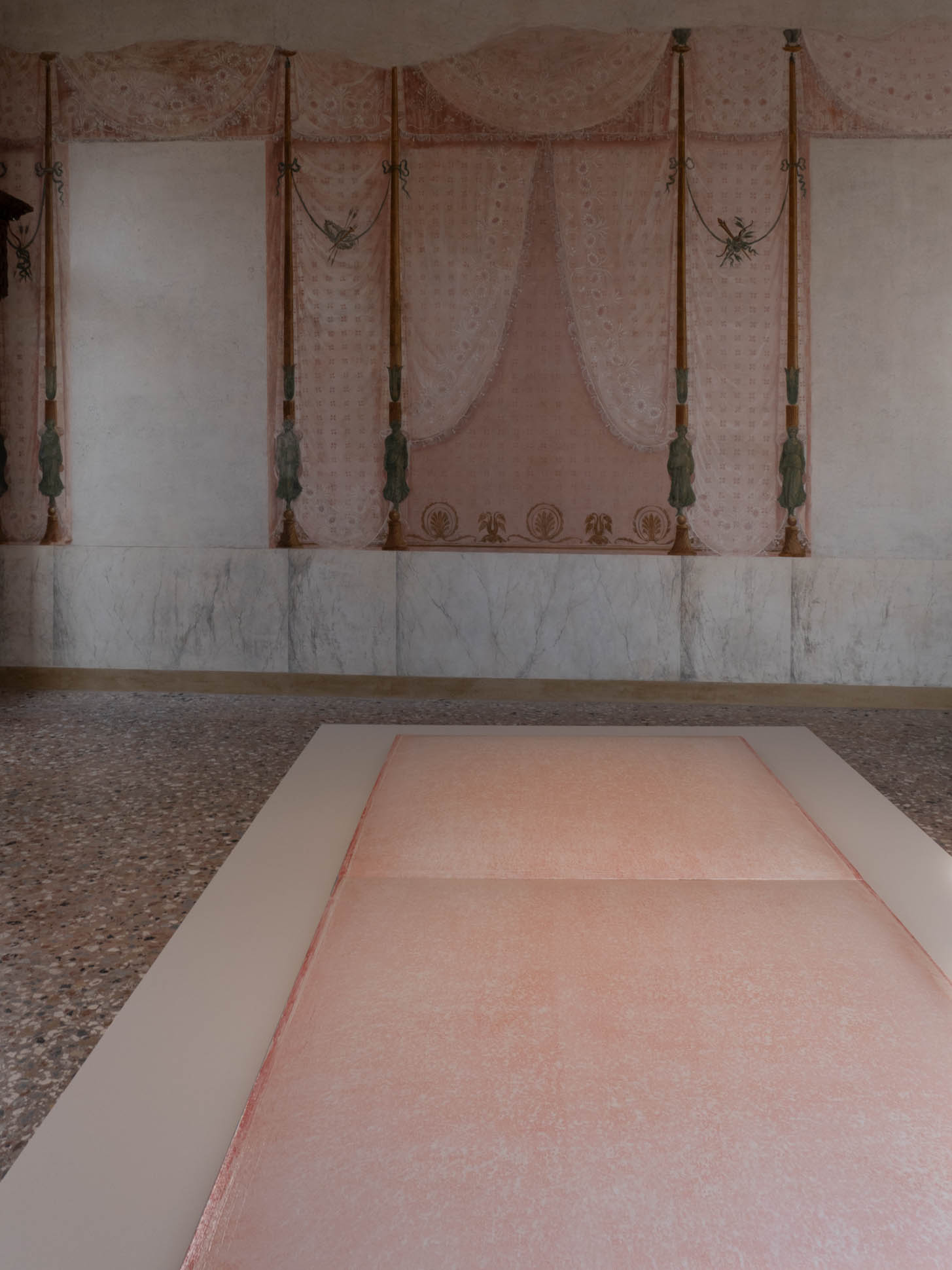
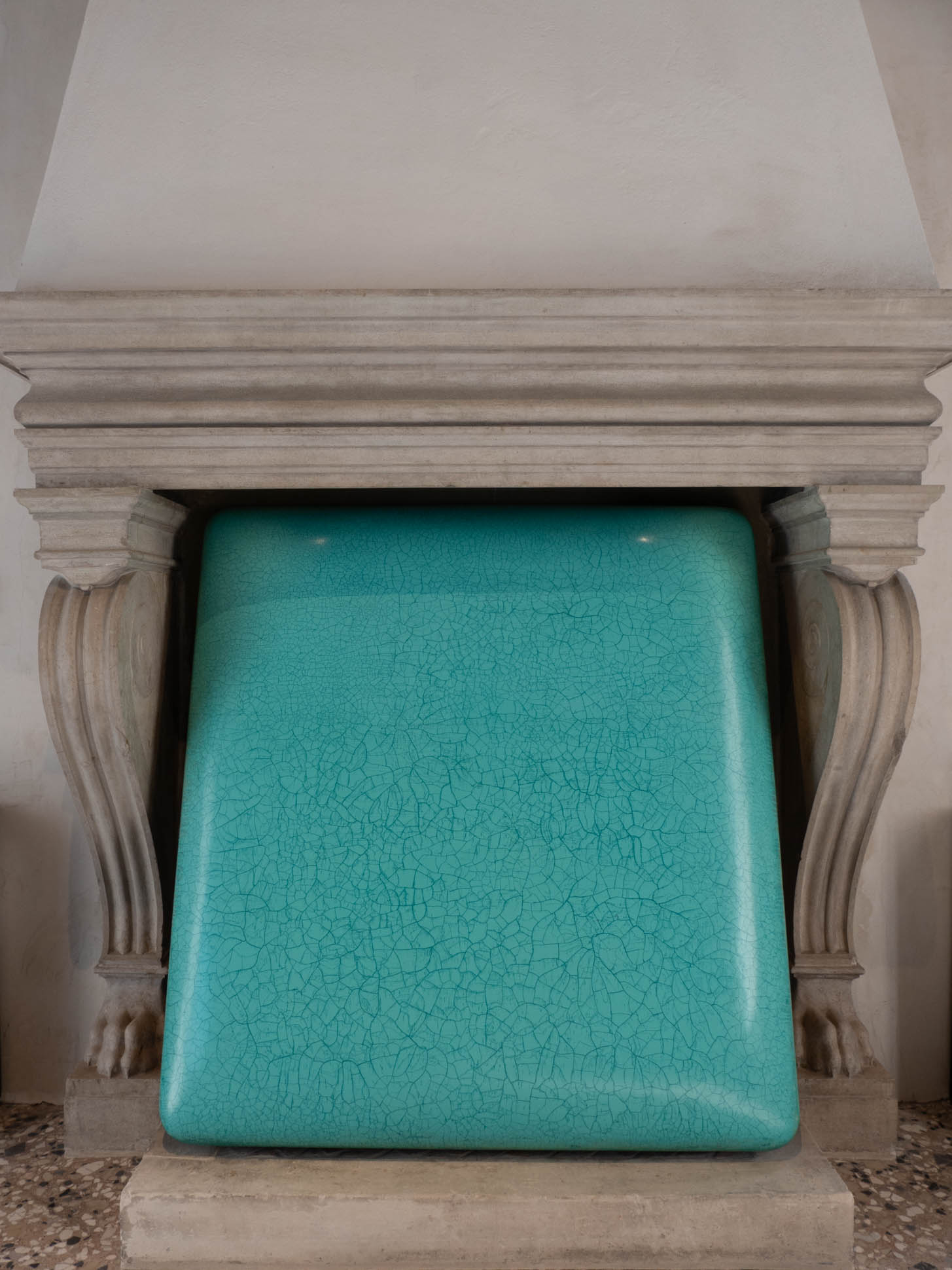
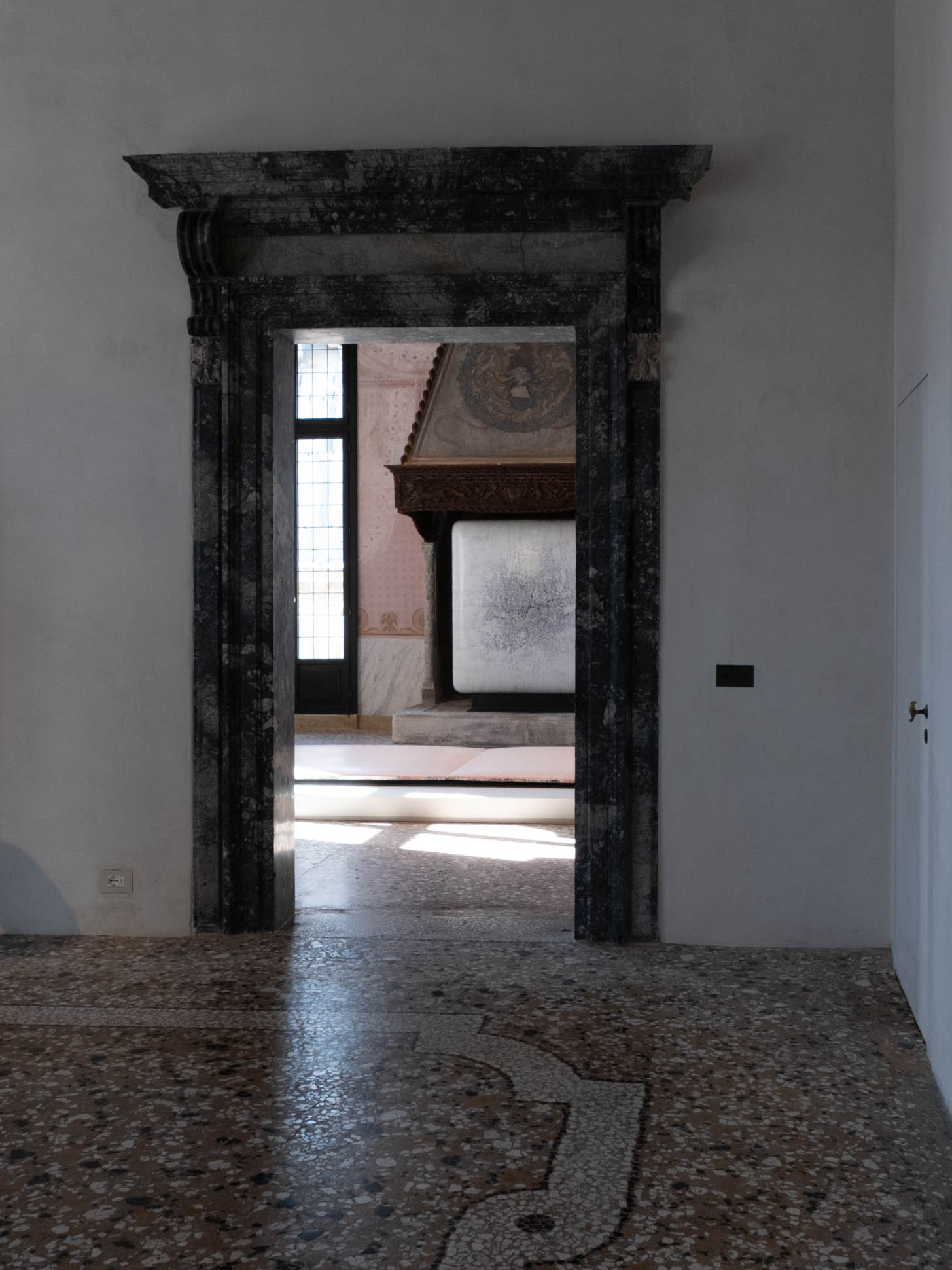
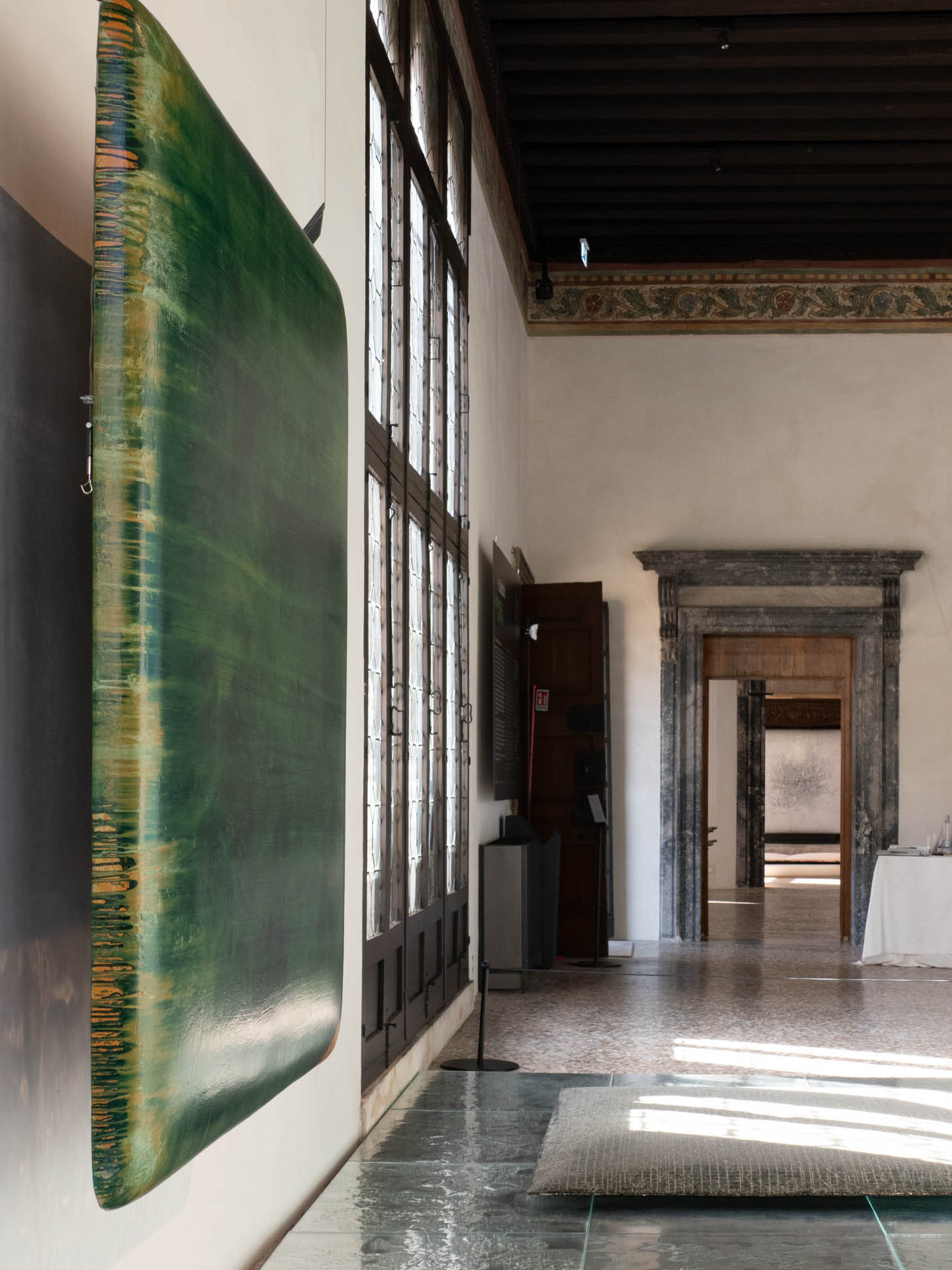
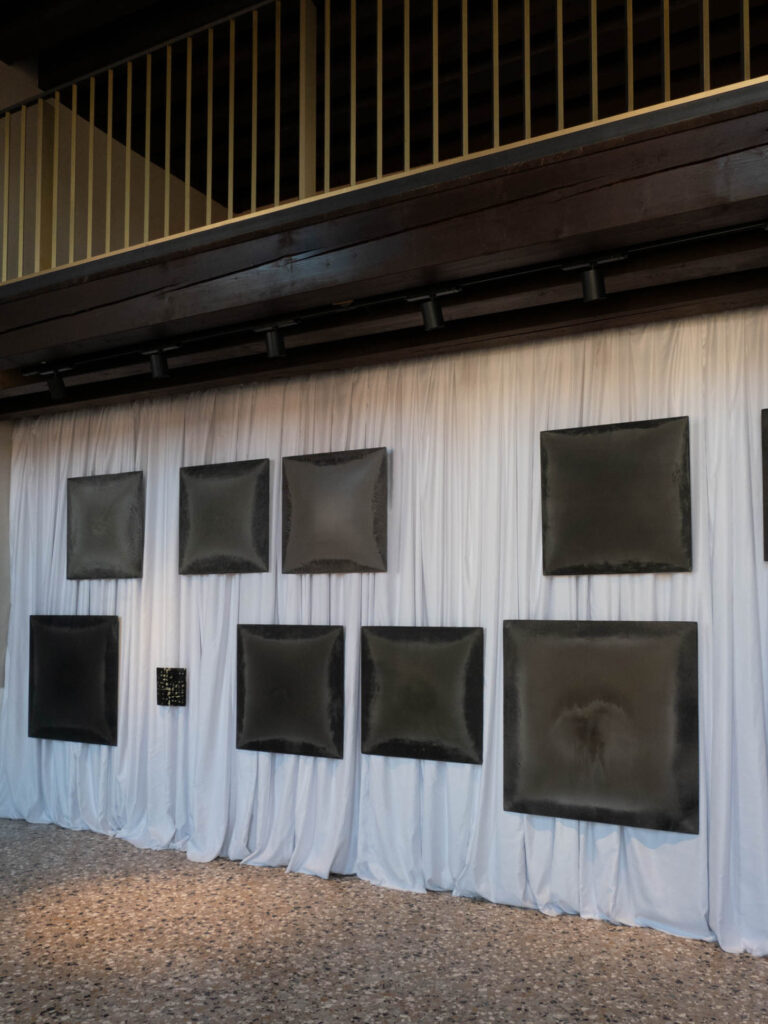
Su Xiaobai at Palazzo Soranzo Van Axel is interesting for the reason how the ancient Venetian palazzo and the Chinese lacquers works seem to transform each other.
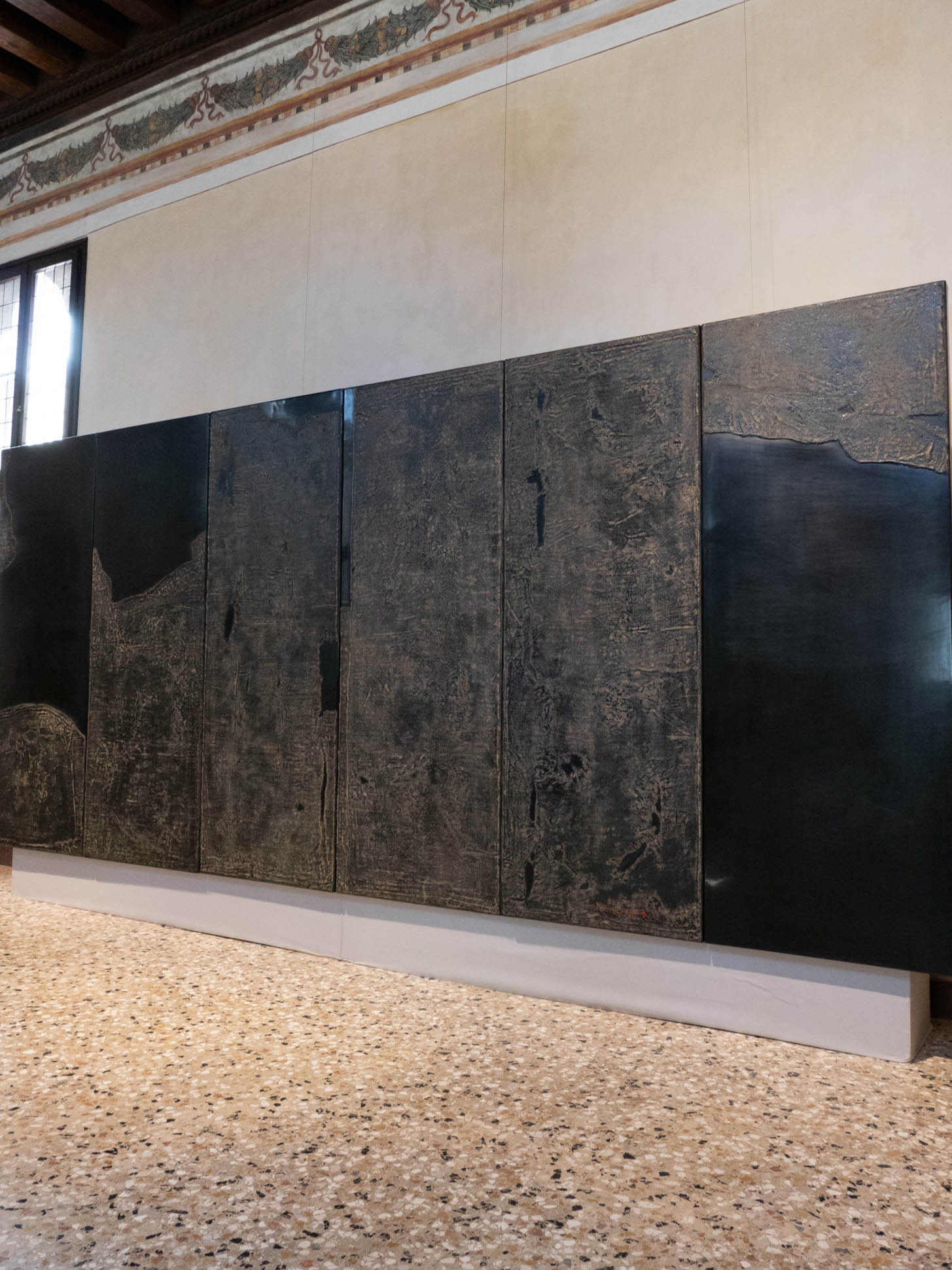
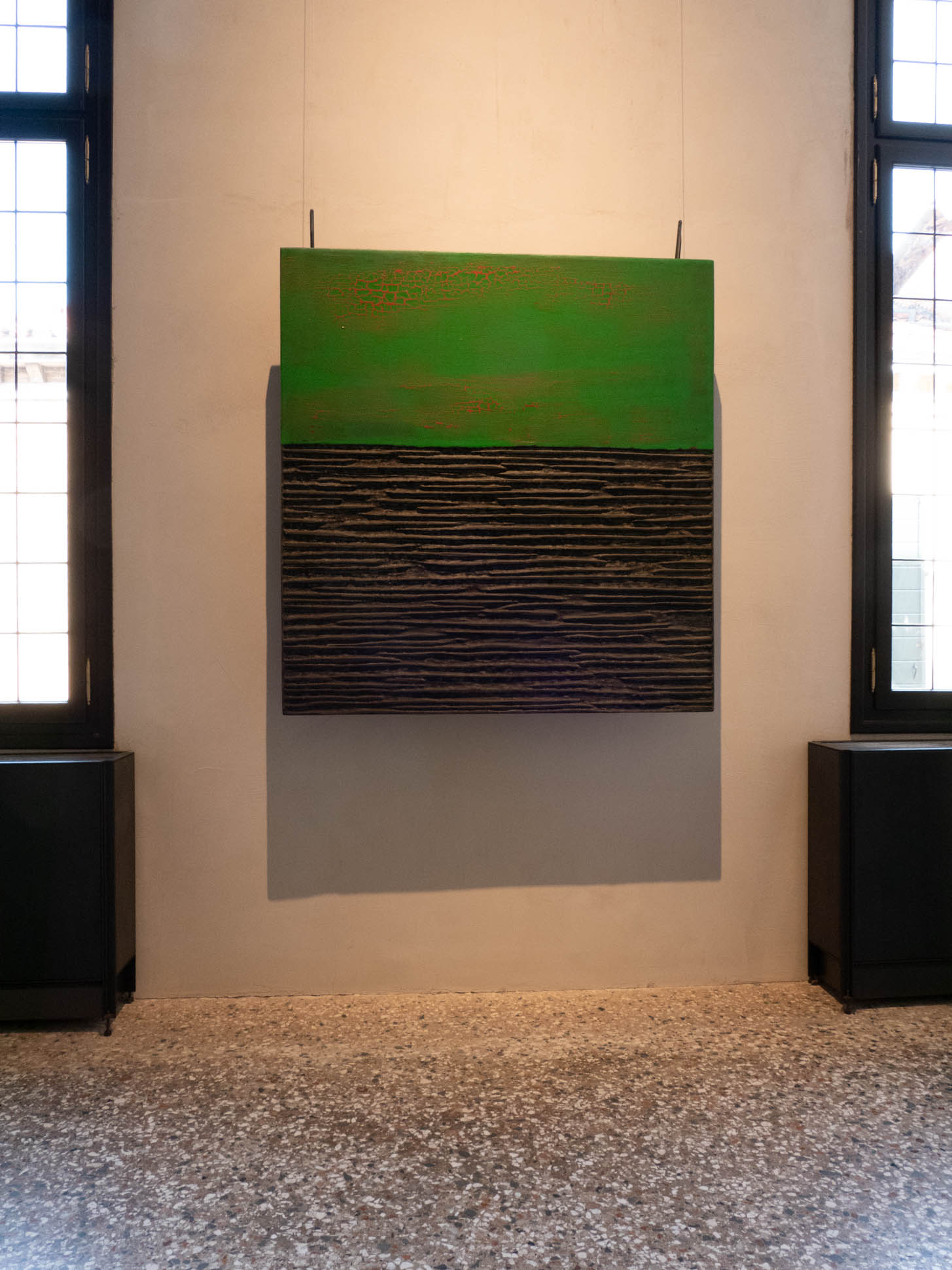
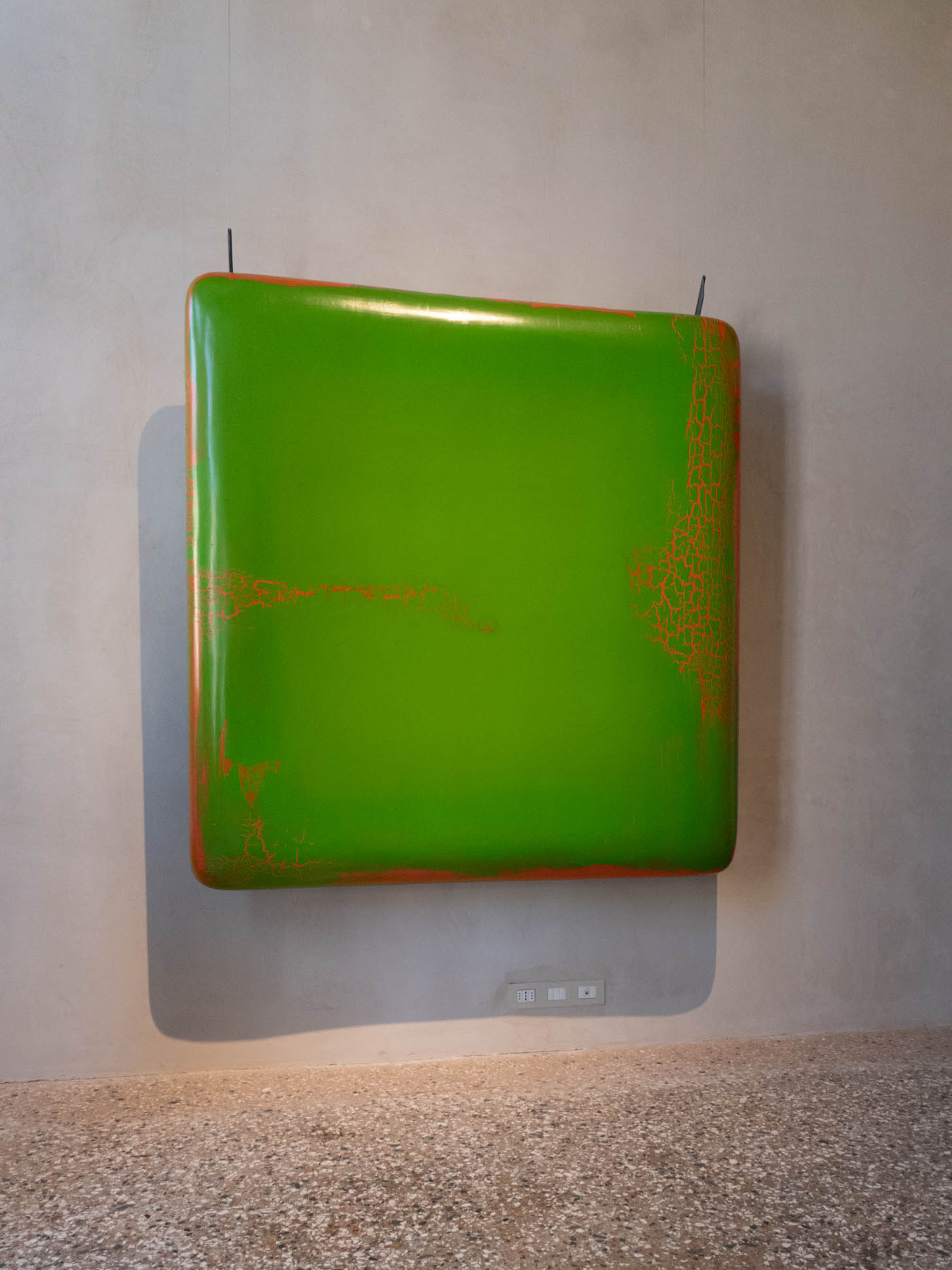
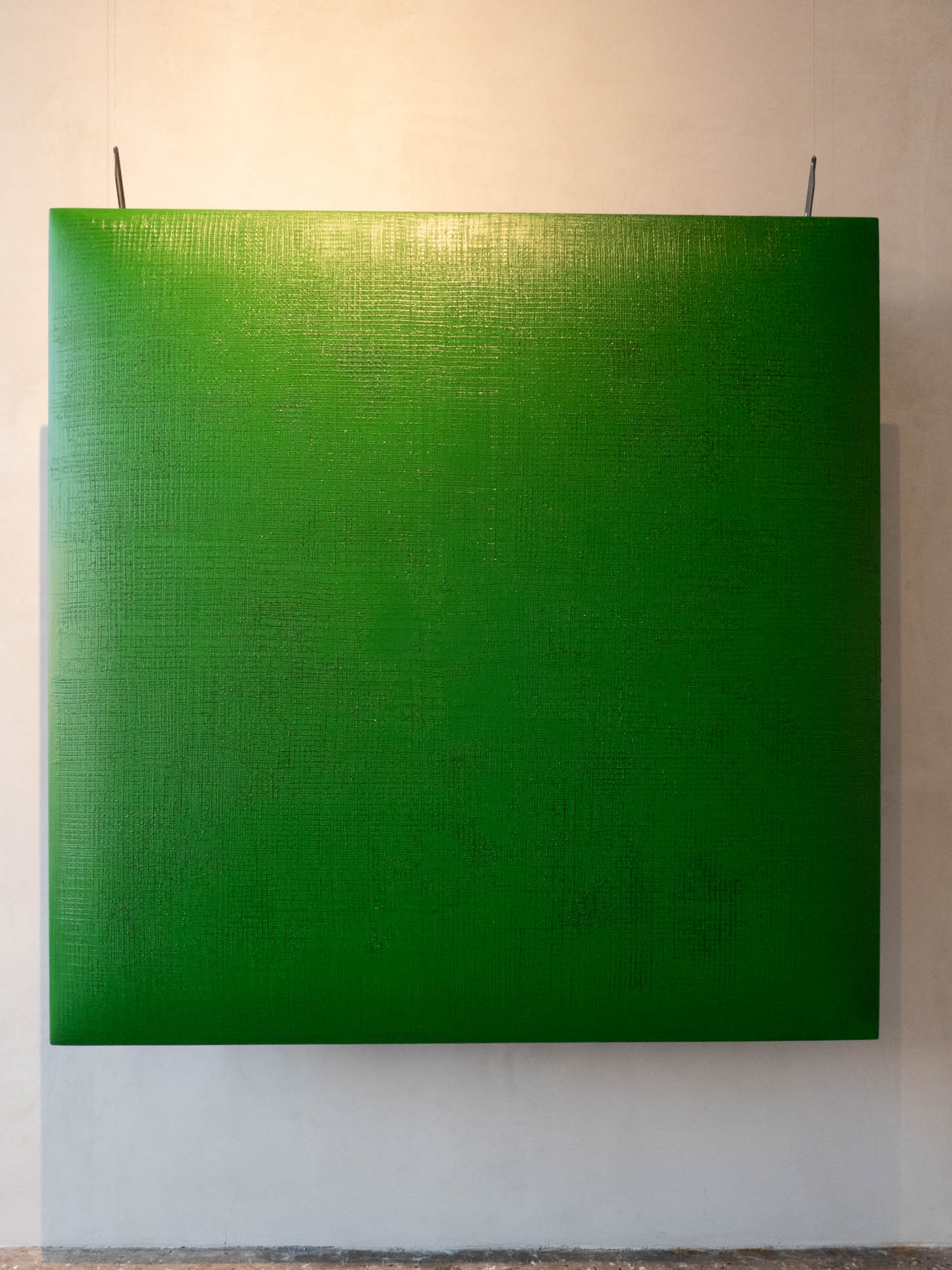
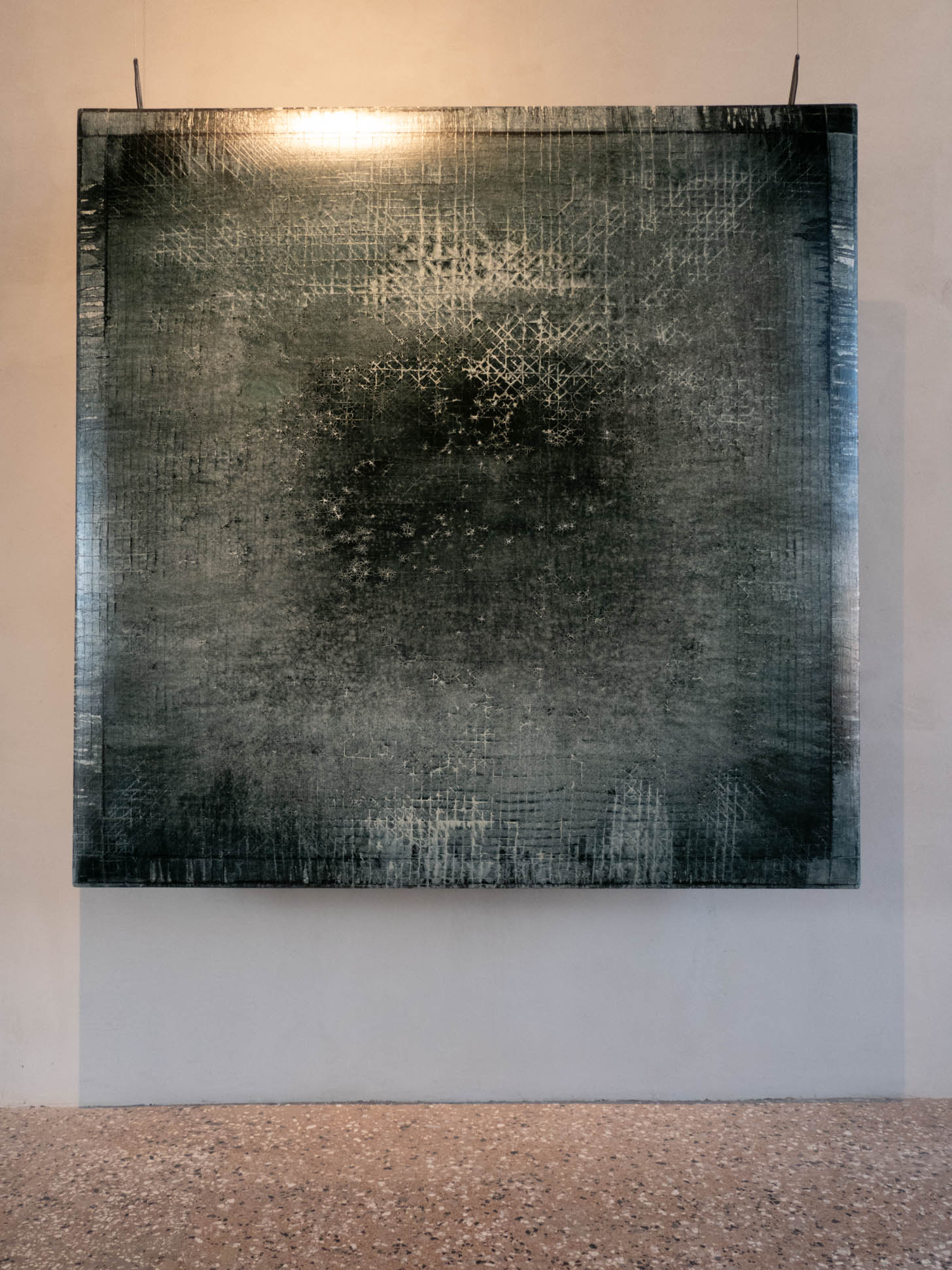
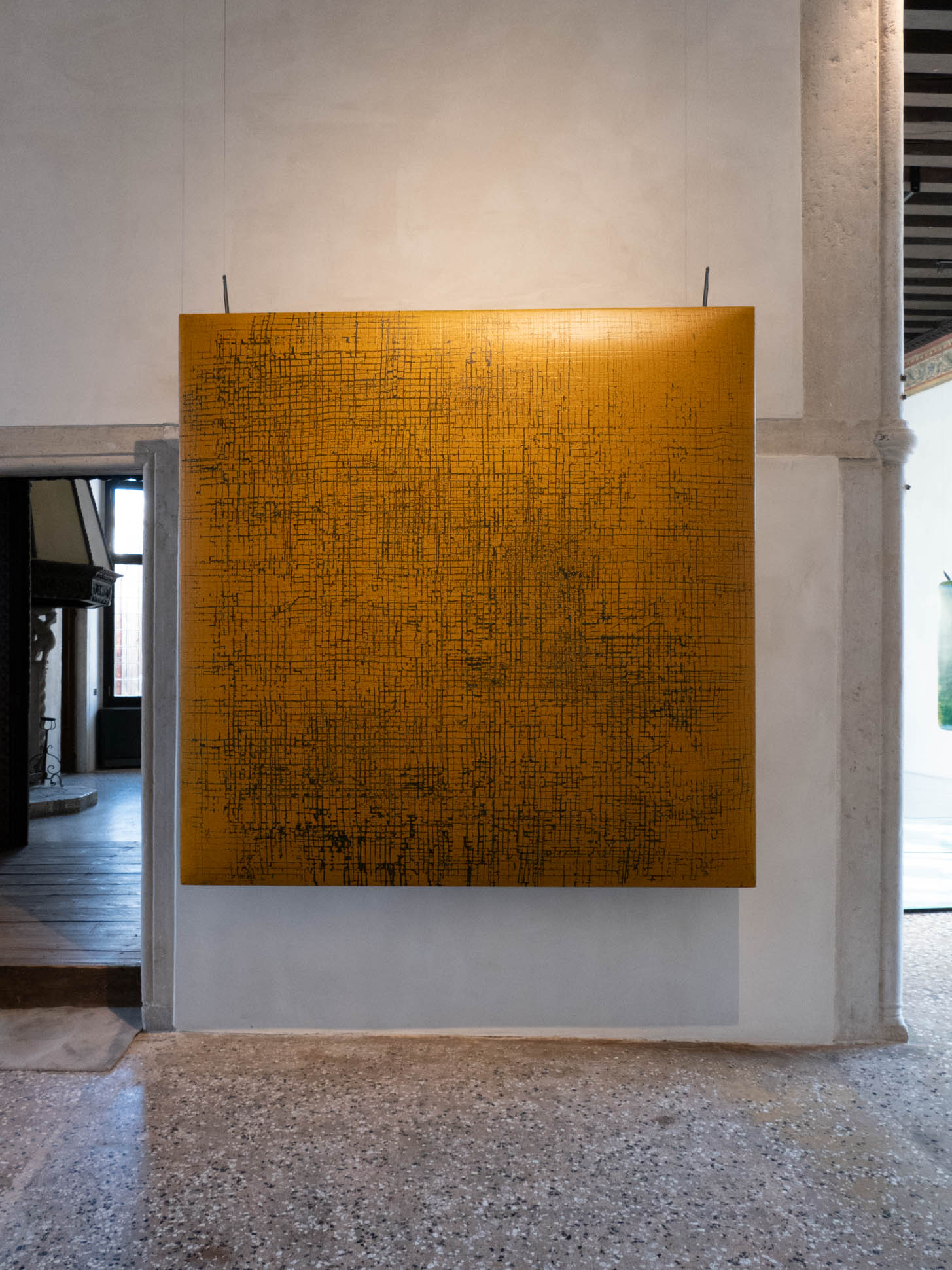
Su Xiaobai works primarily with traditional Chinese natural lacquer, but turns it into large-scale contemporary abstraction. He builds up many layers, then scratches, abrades and reworks them, so the surfaces can look almost geological or liquid.
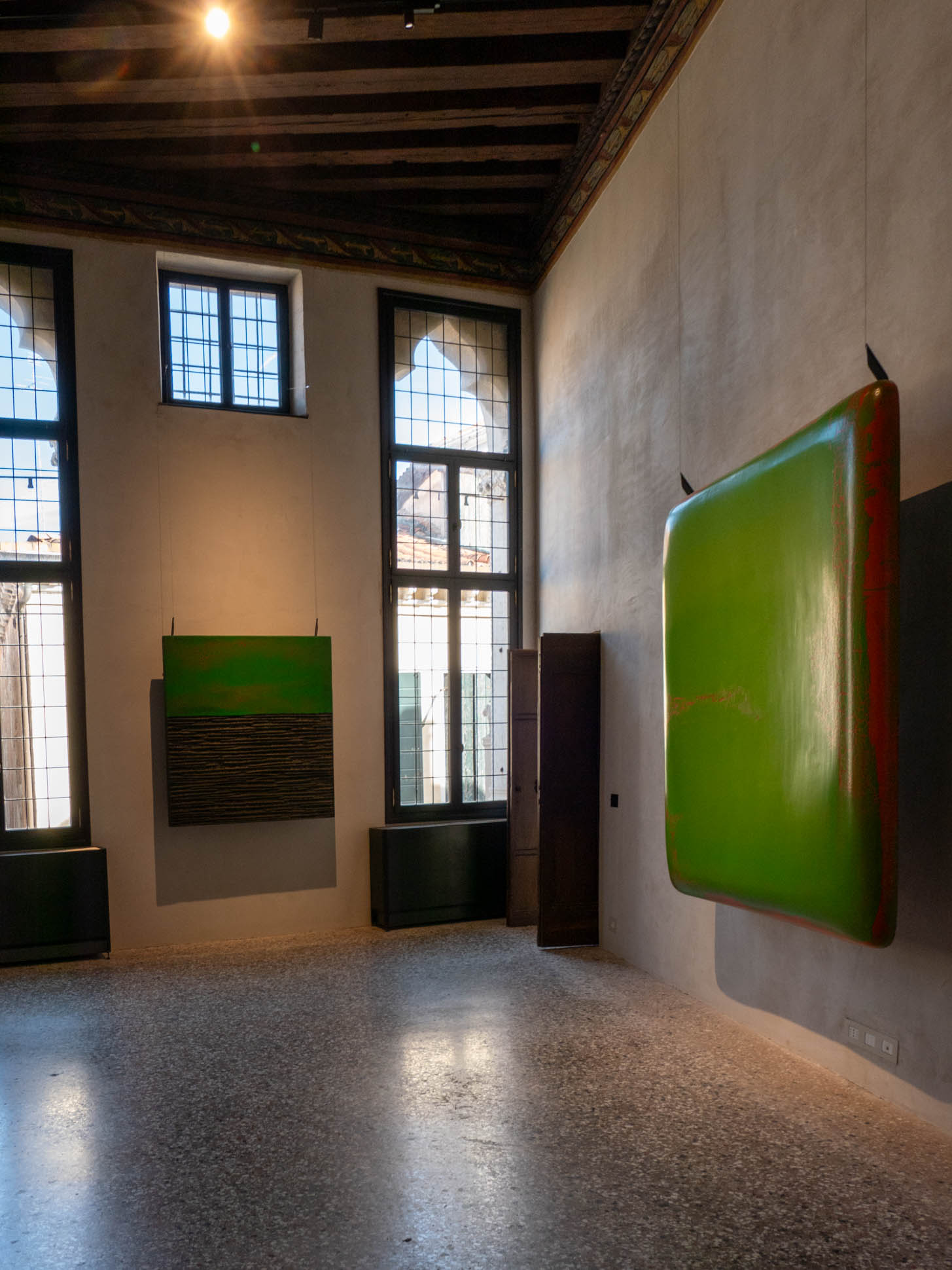
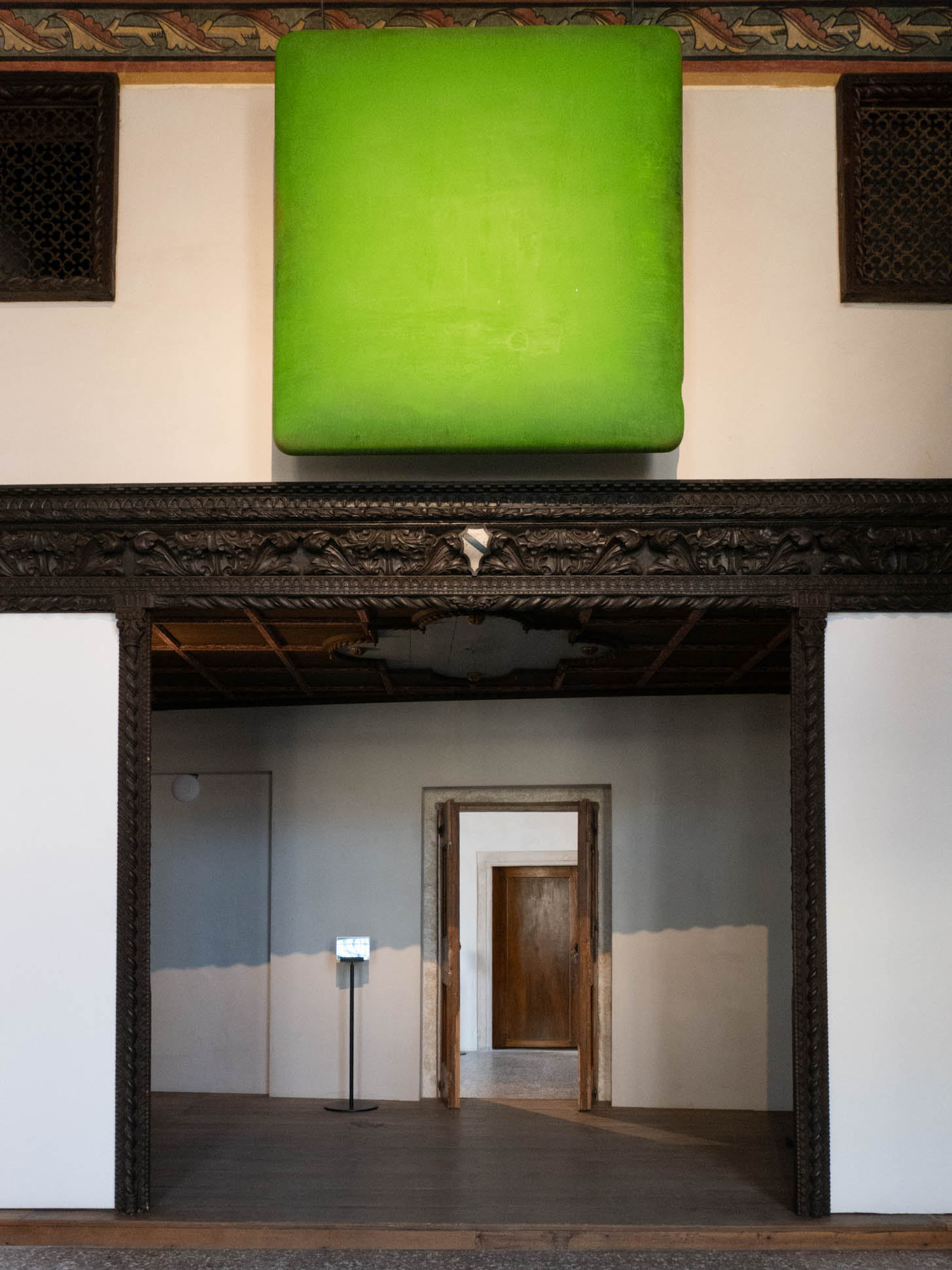
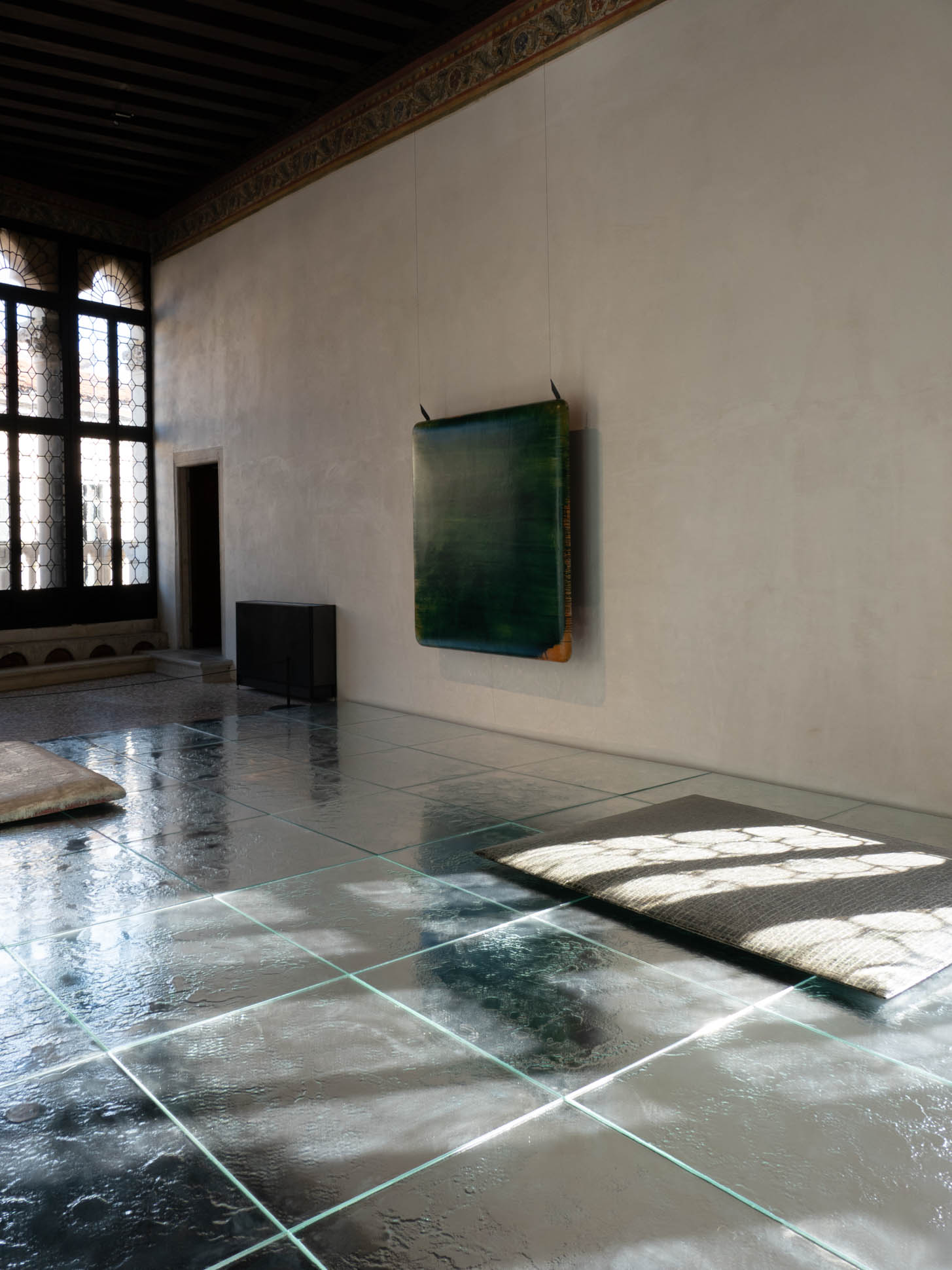
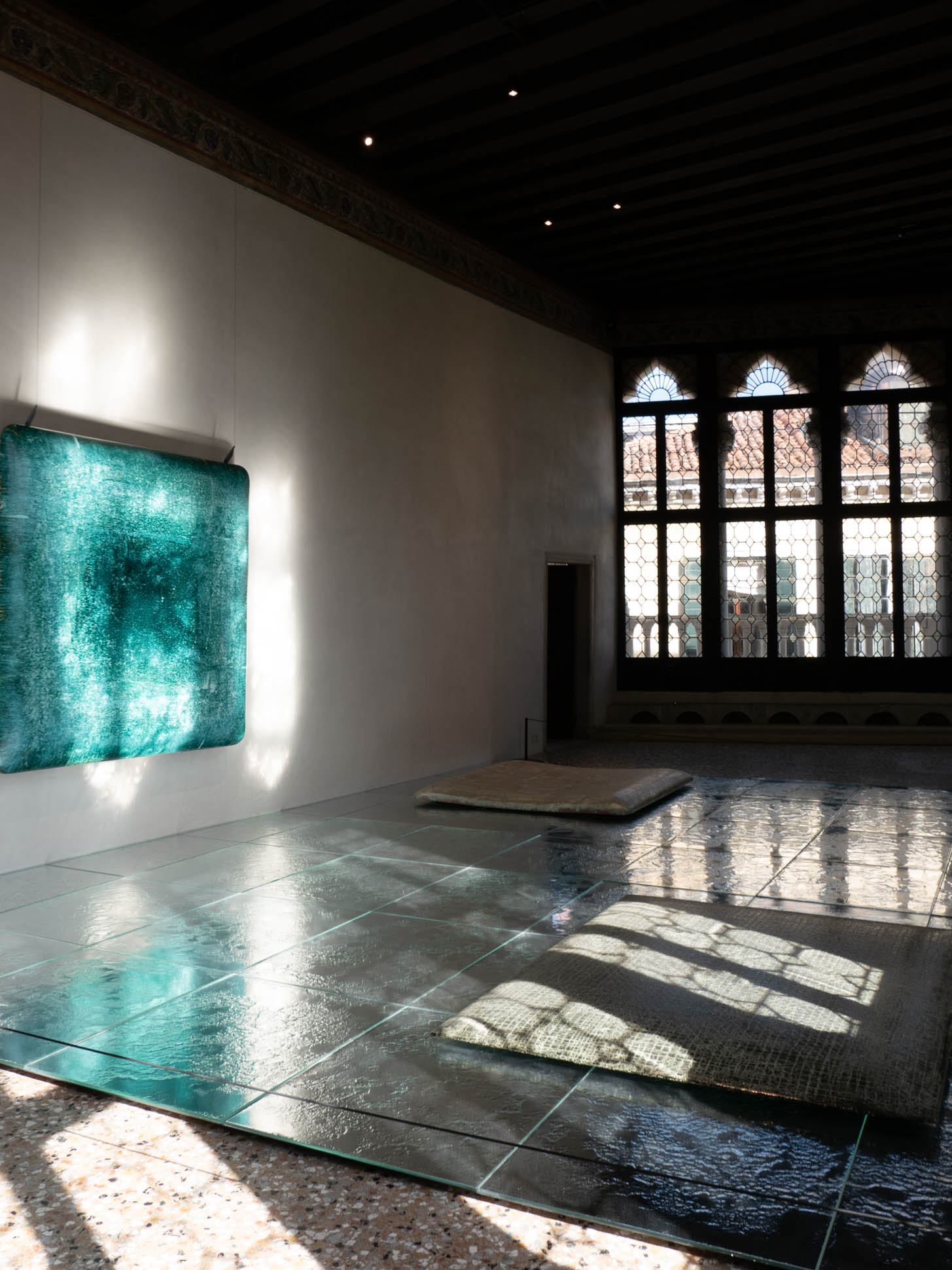
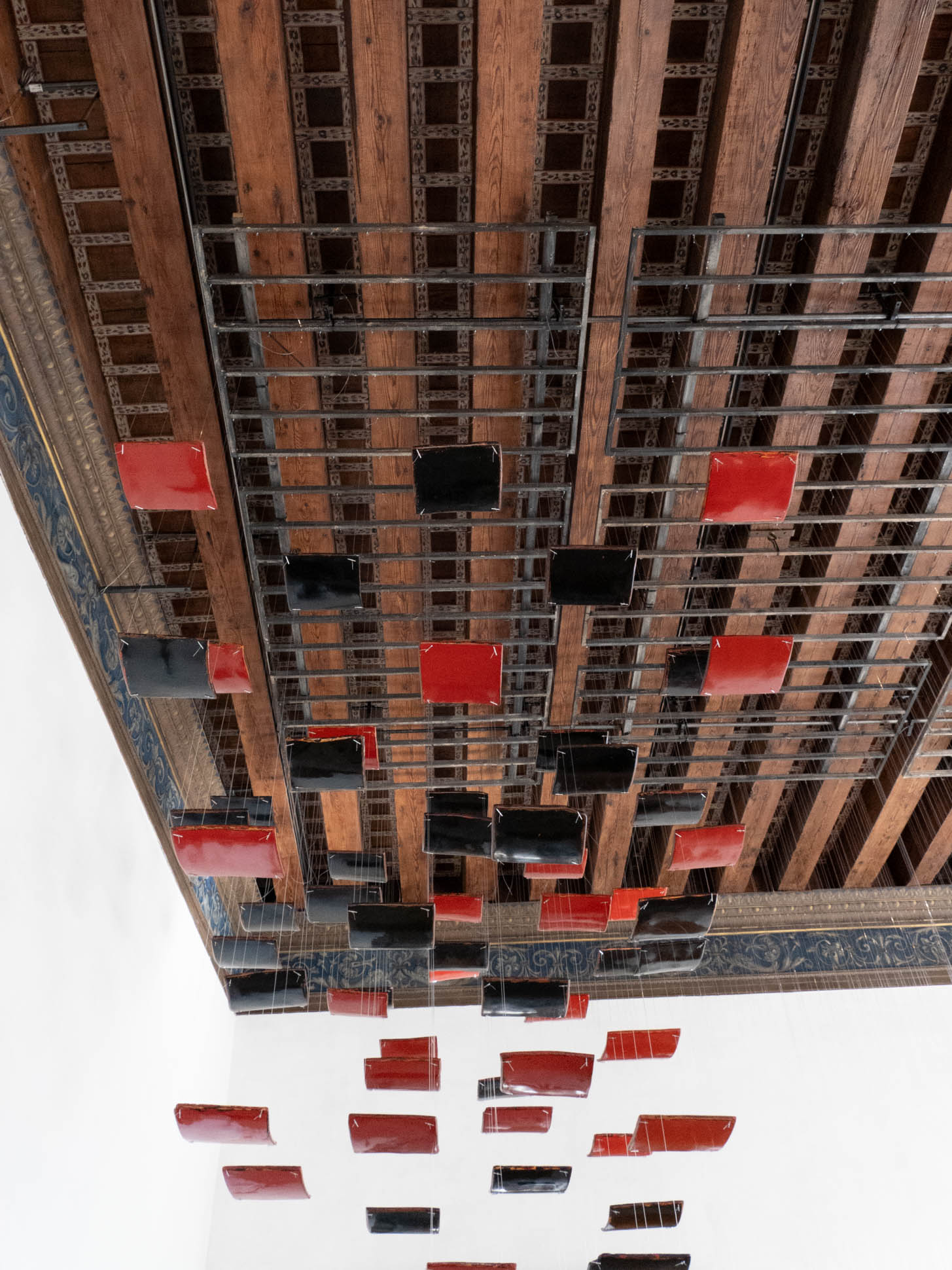
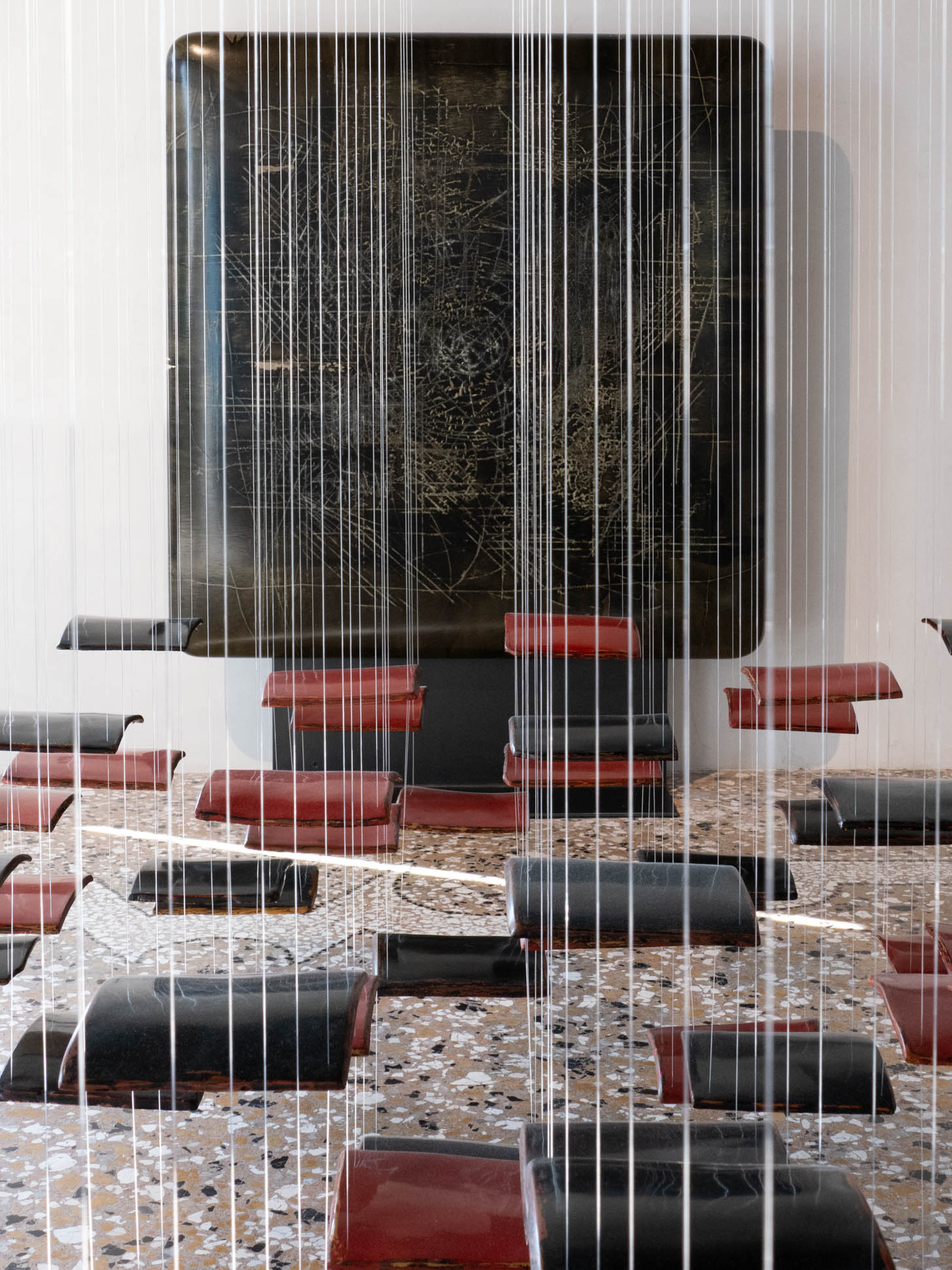
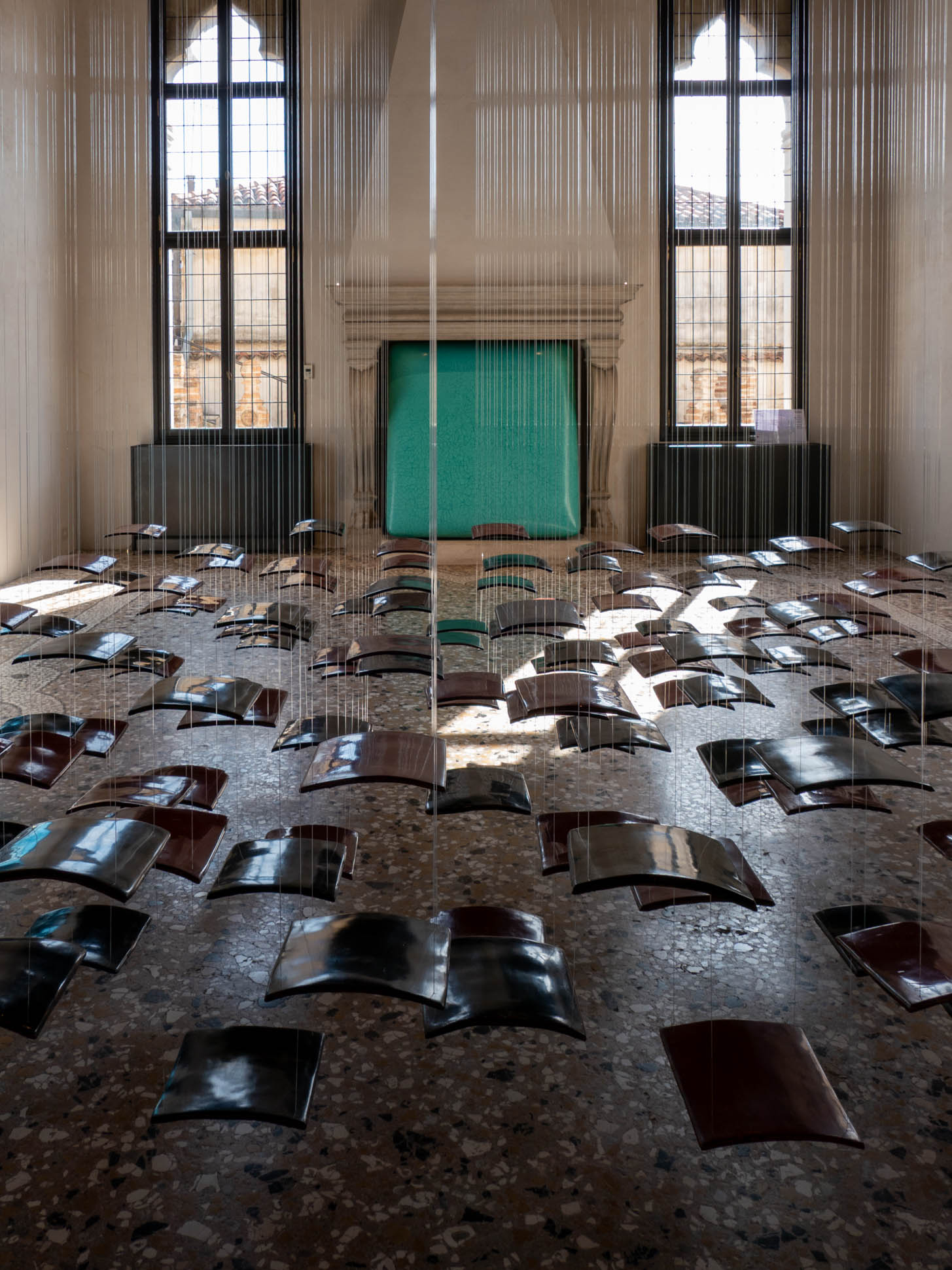
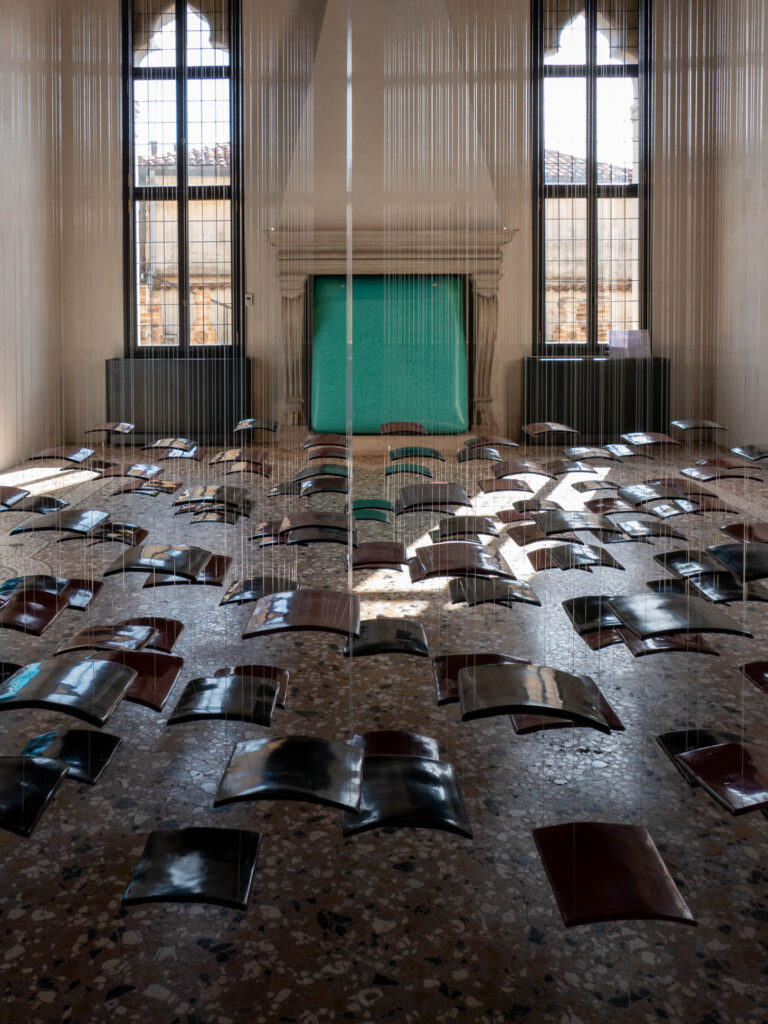
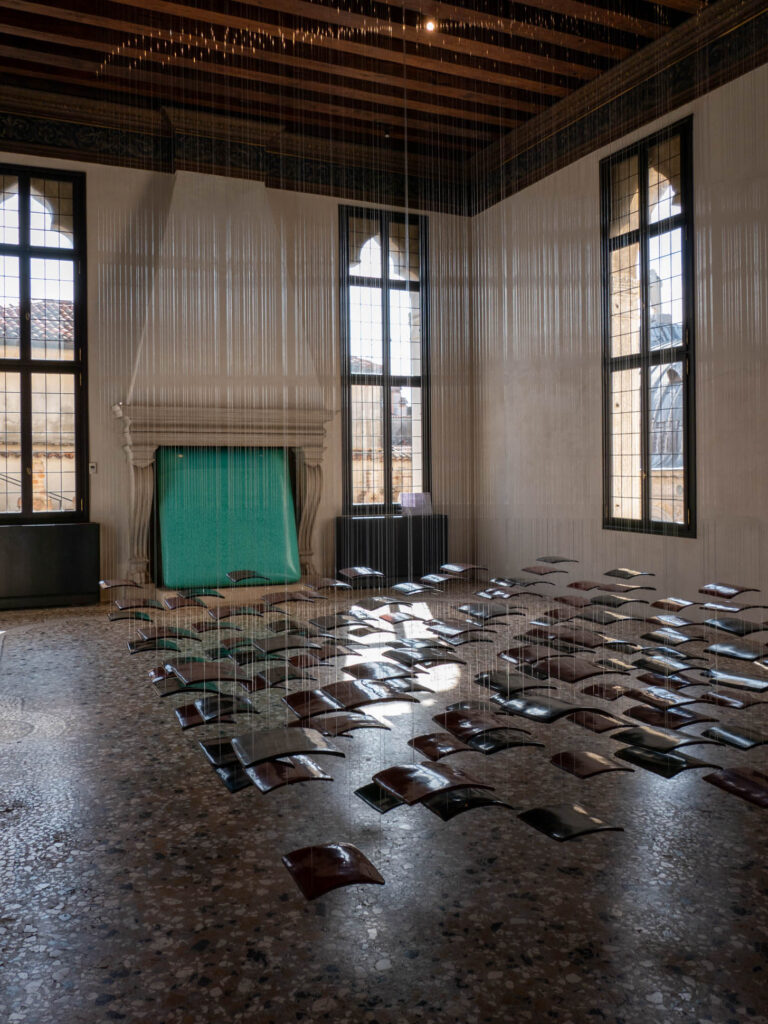
Some works are installations rather than simply paintings. There are suspended lacquered tiles and works arranged over Murano glass, creating an almost floating, dreamlike environment.
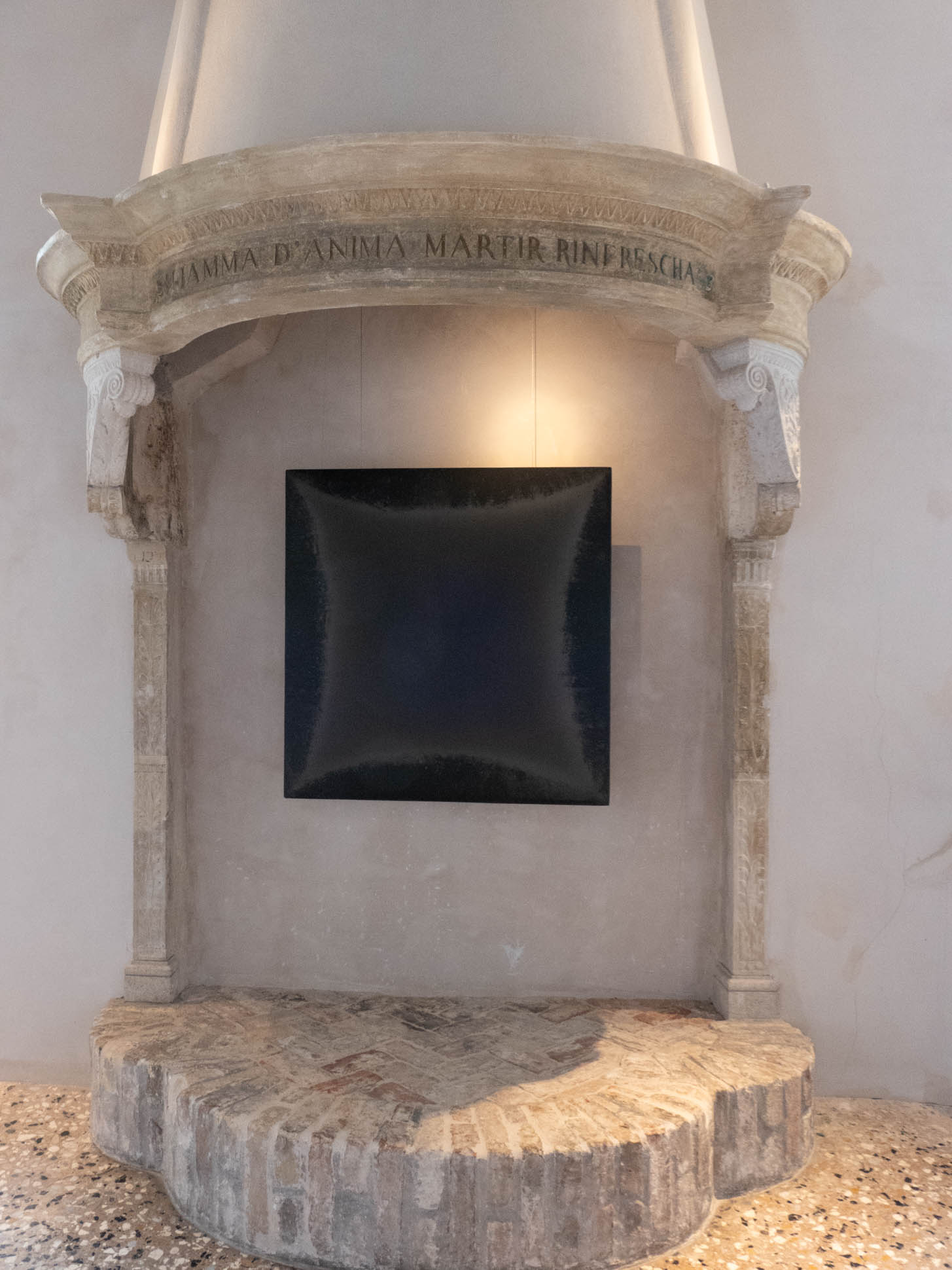
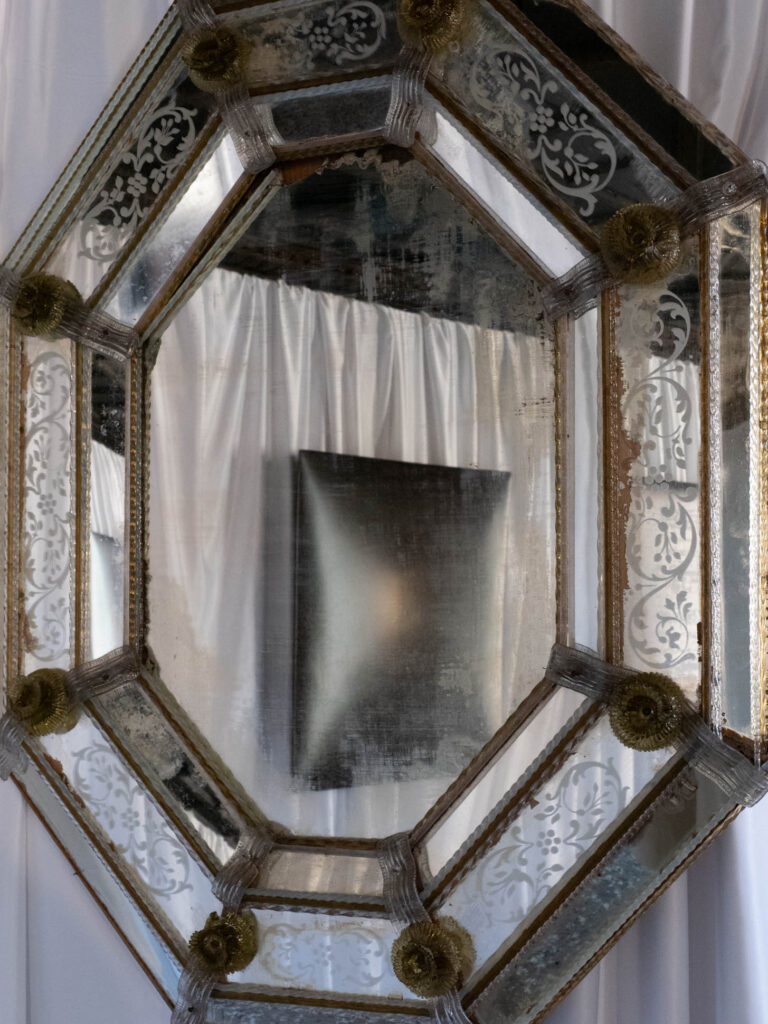
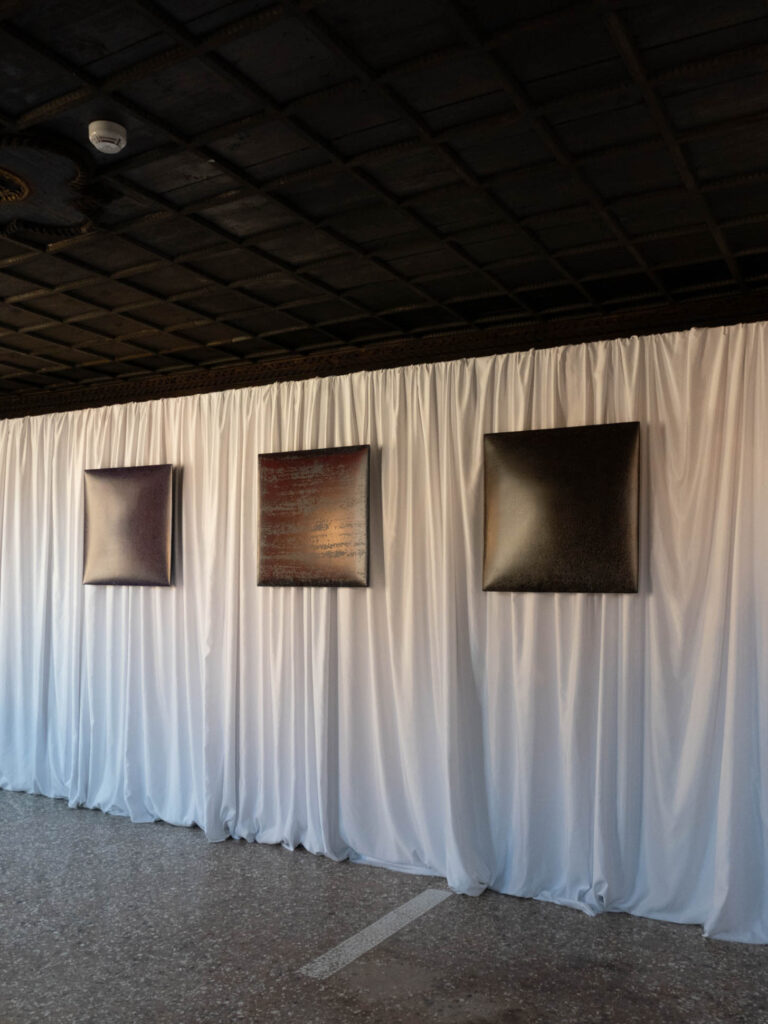
The newest “Niao Niao” works are very quiet. Mostly monochromatic, they evoke mist, moonlight, distant sounds and the feeling of things appearing and disappearing. They are closer to an atmosphere or meditation than a conventional painting.
Su Xiaobai
Su Xiaobai (b. 1949) is particularly fascinating because his career is really a story of moving between Chinese tradition and European modernism and eventually finding his own language in lacquer.
Su was born in Wuhan in 1949. He initially trained in traditional and oil painting in China, including at the Central Academy of Fine Arts in Beijing. In 1987 he went to the Kunstakademie Düsseldorf in Germany, where he studied through the early 1990s. He was therefore exposed directly to the European postwar art tradition while carrying a very different Chinese artistic background.
The crucial moment came in 2003, when he spent time in Fujian, a historic centre of Chinese lacquer production.
He essentially abandoned oil paint as his primary medium and began experimenting with natural Chinese lacquer—the sap of the lacquer tree. He initially applied it to things like burlap, bamboo mats and old tiles rather than simply using a conventional canvas.
He doesn’t treat lacquer merely as paint. He treats it almost as a physical substance or sculpture.
He builds up layer after layer, allows it to cure, then sands, cuts, abrades and polishes it. The surface develops cracks, scars, ridges and extraordinary depth.
Palazzo Soranzo Van Axel
Palazzo Soranzo Van Axel is a remarkable late-15th-century Venetian Gothic palace in Cannaregio, right beside the extraordinary church of Santa Maria dei Miracoli.
It was built roughly 1473–1479 for the Soranzo family, incorporating material from an earlier Venetian-Byzantine building belonging to the Gradenigo family.
Rather than thinking of it simply as a grand façade, pay attention to the two courtyards and their external Gothic staircases. Each courtyard has its own well. This is a very Venetian combination of practical architecture and theatrical design.
The building wasn’t always called Van Axel. In the 17th century it was acquired by the Van Axel family, wealthy merchants from Flanders. They were subsequently admitted to the Venetian patriciate in 1665. Their coat of arms can still be seen above the entrance.
It is an official 2026 Venice Biennale collateral exhibition, curated by Stephen Little of LACMA, and admission is free.